Pregnancy is a remarkable journey filled with excitement and numerous physiological changes. While many of these changes are anticipated, some may catch expectant mothers by surprise. One such unexpected experience can be tinnitus, a condition characterized by the perception of ringing or buzzing sounds in the ears without any external source. Although tinnitus is not uncommon in the general population, its emergence or exacerbation during pregnancy can be particularly concerning for affected women.
Causes of Tinnitus During Pregnancy
The exact cause of tinnitus can be elusive, even outside of pregnancy. However, during pregnancy, several factors might contribute to its onset or worsening. Hormonal changes are at the forefront, as pregnancy triggers significant fluctuations in hormone levels, particularly estrogen and progesterone. These hormonal shifts can affect the blood flow and fluid balance in the body, including the inner ear, potentially leading to tinnitus.
Additionally, the increased blood volume during pregnancy can elevate blood pressure, sometimes resulting in pulsatile tinnitus, where the tinnitus sounds are rhythmic and in sync with the heartbeat. Stress and anxiety, common during pregnancy, can also exacerbate tinnitus symptoms. Moreover, conditions such as anemia, which are more prevalent during pregnancy, may contribute to the perception of tinnitus.
Effects on Expectant Mothers
Tinnitus can range from a mild inconvenience to a debilitating condition. For pregnant women, it can impact sleep, concentration, and overall quality of life. The stress of dealing with persistent tinnitus might also affect emotional well-being, leading to increased anxiety or depression, which is counterproductive to a healthy pregnancy.
Management and Coping Strategies
Managing tinnitus during pregnancy requires a careful approach, considering the well-being of both the mother and the developing fetus. Here are some strategies that can help alleviate the symptoms:
1. Medical Consultation: It is crucial for pregnant women experiencing tinnitus to consult a healthcare provider. A thorough evaluation can rule out underlying conditions such as ear infections or hypertension.
2. Stress Reduction: Techniques such as mindfulness, yoga, and meditation can help manage stress levels. Reducing stress can, in turn, diminish the intensity of tinnitus.
3. Sound Therapy: Listening to soothing sounds, such as white noise or nature sounds, can mask tinnitus and provide relief, especially during sleep.
4. Healthy Lifestyle: Maintaining a balanced diet rich in vitamins and minerals, staying hydrated, and ensuring adequate rest can support overall health and potentially reduce tinnitus symptoms.
5. Avoiding Triggers: Identifying and avoiding individual triggers, such as caffeine or loud environments, can prevent tinnitus from worsening.
6. Support Groups: Joining groups with other individuals experiencing tinnitus can provide emotional support and practical advice for coping with the condition.
Conclusion
While tinnitus during pregnancy can be challenging, understanding its potential causes and implementing effective management strategies can significantly improve the quality of life for expectant mothers. Always consult healthcare professionals before making any changes to health routines to ensure the safety of both mother and child. With proper care and attention, tinnitus can be managed, allowing women to focus on the joys and anticipation of welcoming a new life into the world.
If you’re dealing with tinnitus, you know how frustrating it can be. White noise and pink noise are two popular sound therapy options, but how do you choose? In short, it depends on your symptoms and personal comfort. This guide explains what each type of noise is, how they work, and why one might suit you better than the other.
Understanding White Noise and Pink Noise
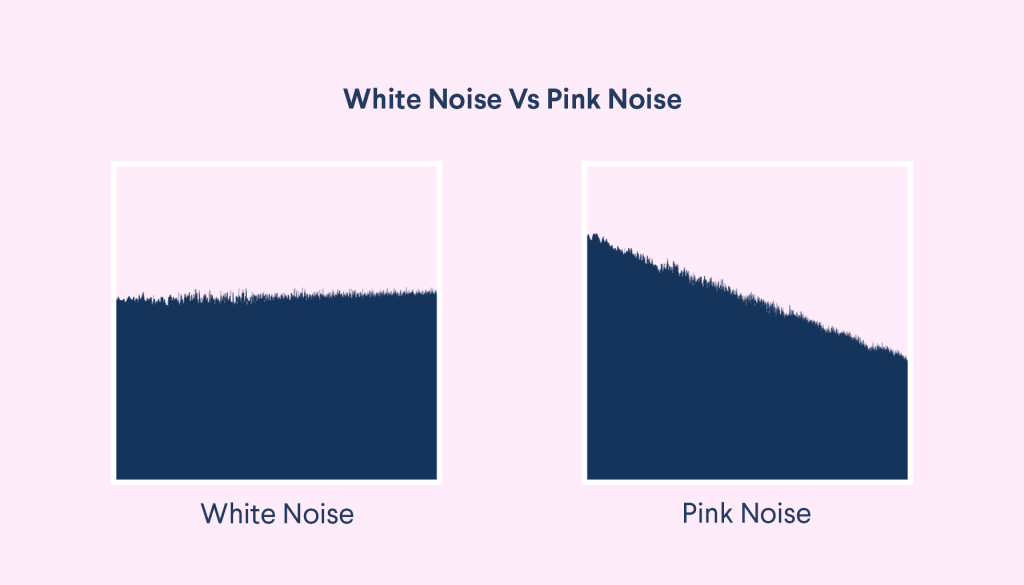
White noise is a consistent sound that covers the full spectrum of human hearing (20 Hz to 20 kHz), with equal intensity across all frequencies. This creates a steady, unobtrusive background sound similar to a constant hiss or the static from an untuned radio. Its even distribution of sound frequencies makes it an effective masking tool, potentially drowning out the perceived noise of tinnitus.
Pink noise, on the other hand, is characterized by a decrease in intensity at higher frequencies, giving more power to lower frequencies. This results in a deeper sound, often compared to the soothing, natural sounds of rain or a gentle waterfall. The distribution of sound in pink noise is more aligned with the way humans perceive sound, which can make it more pleasant and less harsh than white noise.
Effectiveness for Tinnitus Relief
The effectiveness of white noise and pink noise in providing tinnitus relief can vary from person to person, largely depending on individual preferences and the specific characteristics of their tinnitus.
White Noise for Tinnitus Relief
White noise is often effective because it provides a consistent auditory backdrop that can mask the high-pitched ringing typical of tinnitus. Many people find that the blanket coverage of sound frequencies helps to cover the tinnitus noise, making it less noticeable. This can be particularly beneficial in quiet environments or during sleep, where tinnitus tends to be more pronounced.
Pink Noise for Tinnitus Relief
Pink noise, with its emphasis on lower frequencies, offers a different kind of auditory masking. Some individuals find pink noise more soothing and less jarring than white noise, making it easier to listen to for extended periods. Its resemblance to natural sounds can also provide a calming effect, which might contribute to reduced stress and anxiety associated with tinnitus.
Choosing the Right Sound for You
When choosing between white noise and pink noise for tinnitus relief, personal preference plays a crucial role. Some may prefer the neutral, all-encompassing sound of white noise, while others might favor the more natural, gentle sound of pink noise. Experimenting with both types of noise can help determine which provides the most relief and comfort.
Additionally, the context in which the noise is used can influence its effectiveness. For instance, during work or concentration tasks, one might prefer the subtlety of pink noise, whereas at night, the comprehensive masking ability of white noise might be more beneficial for sleep.
Conclusion
Both white noise and pink noise offer potential benefits for tinnitus relief, but their effectiveness can vary based on individual preferences and the nature of one’s tinnitus. While white noise provides a broad-spectrum masking effect, pink noise offers a more natural and soothing sound. Ultimately, the choice between the two should be guided by personal comfort and the specific context in which they are used. By experimenting with both, individuals can find the most effective solution to manage their tinnitus symptoms and improve their quality of life.
Tinnitus can be frustrating and, for many, life-disrupting. You may have heard about tinnitus laser therapy and wondered if it’s worth considering. This treatment uses low-level lasers aimed at improving symptoms by targeting damaged cells in the ear. With a growing interest in alternative therapies for tinnitus, I’ll break down the basics to help you understand how this approach works and what to expect.
Understanding Tinnitus
Before delving into laser therapy, it’s crucial to comprehend the nature of tinnitus. This condition is not a disease but a symptom of underlying issues, such as hearing loss, ear injury, or circulatory system disorders. The phantom sounds can vary in pitch and intensity, impacting one’s quality of life significantly.
The Science Behind Laser Therapy
Laser therapy, also known as photobiomodulation, involves using low-level lasers to stimulate cellular activity. The therapy aims to enhance cell regeneration and reduce inflammation, potentially addressing the root causes of tinnitus. Though it’s not a cure, laser therapy offers a non-invasive method to manage symptoms and improve overall ear health.
How Does It Work?
During a typical session, a healthcare professional directs laser beams into the ear canal. The lasers penetrate tissue, promoting blood flow and cellular repair. This increased circulation can help reduce the inflammation or cellular damage believed to contribute to tinnitus.
1. Non-Invasive Treatment: Unlike surgical options, laser therapy is non-invasive, reducing the risk of complications and allowing for quicker recovery times.
2. Minimal Side Effects: Patients often report minimal to no side effects, making it a gentle option compared to some medications.
3. Potential for Symptom Relief: While results can vary, many individuals have experienced a reduction in the severity and frequency of their tinnitus symptoms following laser therapy.
4. Complementary Approach: Laser therapy can be used alongside other treatments, such as sound therapy, cognitive behavioral therapy, or lifestyle changes, enhancing overall effectiveness.
Current Research and Developments
Research into tinnitus laser therapy is ongoing, with several studies indicating promising outcomes. However, more large-scale and longitudinal research is needed to fully understand its efficacy and long-term benefits. The scientific community is actively exploring optimal laser settings and frequencies to maximize therapeutic benefits.
Considerations and Consultation
It’s essential for those considering laser therapy to consult with a qualified audiologist or healthcare provider. Tinnitus can stem from various causes, and a professional evaluation can help determine if laser therapy is a suitable option. Moreover, discussing potential risks and expected outcomes can aid in making informed decisions.
Conclusion
Tinnitus laser therapy represents a hopeful frontier in the quest to manage tinnitus symptoms. While not a universal remedy, it offers a promising alternative for individuals seeking relief from the relentless sounds that disrupt their lives. As research progresses, laser therapy may become a cornerstone in the multifaceted approach to tinnitus treatment, illuminating a path toward improved auditory health and enhanced quality of life. For those battling tinnitus, exploring this innovative treatment could be a significant step toward reclaiming peace and tranquility.
Tinnitus and migraines are two prevalent yet often debilitating conditions that affect millions of people worldwide. While they manifest in distinct ways, emerging research suggests a potential link between the two, offering new insights into their interrelation and possible shared mechanisms. Understanding this connection could be pivotal in developing more effective treatment strategies for those suffering from either or both conditions.
Understanding Tinnitus and Migraines
Tinnitus is characterized by the perception of noise or ringing in the ears without an external sound source. It can vary in pitch and intensity, and while it is not a condition itself, it often signals an underlying issue such as hearing loss, ear injury, or circulatory system disorder. Migraines, on the other hand, are more than just severe headaches. They are a neurological condition marked by intense, throbbing pain often accompanied by nausea, vomiting, and sensitivity to light and sound.
Investigating the Connection
Recent studies have begun to explore the possible link between tinnitus and migraines, drawing attention to their overlapping symptoms and triggers. Both conditions have been associated with sensory disturbances and altered neurological processing. For instance, individuals with migraines often report auditory sensitivities, which could be related to the perception of phantom sounds in tinnitus.
One hypothesis is that both conditions may involve hyperactivity in certain areas of the brain. Migraines are known to involve cortical spreading depression, a wave of electrical activity in the brain, while tinnitus has been linked to increased spontaneous neural activity in the auditory cortex. This hyperactivity could suggest a shared pathophysiological mechanism, potentially explaining why some people experience both conditions simultaneously.
Shared Risk Factors
There are several risk factors that may contribute to both tinnitus and migraines, including stress, sleep disturbances, and certain medical conditions such as hypertension. Stress, for instance, is a well-known trigger for migraines and has also been shown to exacerbate tinnitus symptoms. Similarly, poor sleep quality can lead to heightened migraine frequency and intensity and can also worsen tinnitus.
Implications for Treatment
Understanding the link between tinnitus and migraines opens new avenues for treatment. If there is indeed a common neurological basis for these conditions, treatments targeting neural hyperactivity could be beneficial for both. For example, cognitive-behavioral therapy (CBT), which has shown promise in managing chronic pain and stress, might be effective in alleviating symptoms of both tinnitus and migraines.
Moreover, medications commonly used for migraines, such as certain anticonvulsants or antidepressants, might be explored for their efficacy in treating tinnitus. However, more research is needed to establish effective treatment protocols that address both conditions simultaneously.
Conclusion
While further research is essential to fully understand the link between tinnitus and migraines, the current evidence highlights the importance of considering these conditions not in isolation, but as potentially interrelated. By continuing to explore their connection, the medical community can work towards more comprehensive treatment strategies, ultimately improving the quality of life for those affected by these challenging conditions. As research progresses, individuals suffering from tinnitus and migraines may find hope in the potential for relief through integrated, targeted therapies.
Tinnitus and migraines are two prevalent yet often debilitating conditions that affect millions of people worldwide. While they manifest in distinct ways, emerging research suggests a potential link between the two, offering new insights into their interrelation and possible shared mechanisms. Understanding this connection could be pivotal in developing more effective treatment strategies for those suffering from either or both conditions.
Understanding Tinnitus and Migraines
Tinnitus is characterized by the perception of noise or ringing in the ears without an external sound source. It can vary in pitch and intensity, and while it is not a condition itself, it often signals an underlying issue such as hearing loss, ear injury, or circulatory system disorder. Migraines, on the other hand, are more than just severe headaches. They are a neurological condition marked by intense, throbbing pain often accompanied by nausea, vomiting, and sensitivity to light and sound.
Investigating the Connection
Recent studies have begun to explore the possible link between tinnitus and migraines, drawing attention to their overlapping symptoms and triggers. Both conditions have been associated with sensory disturbances and altered neurological processing. For instance, individuals with migraines often report auditory sensitivities, which could be related to the perception of phantom sounds in tinnitus.
One hypothesis is that both conditions may involve hyperactivity in certain areas of the brain. Migraines are known to involve cortical spreading depression, a wave of electrical activity in the brain, while tinnitus has been linked to increased spontaneous neural activity in the auditory cortex. This hyperactivity could suggest a shared pathophysiological mechanism, potentially explaining why some people experience both conditions simultaneously.
Shared Risk Factors
There are several risk factors that may contribute to both tinnitus and migraines, including stress, sleep disturbances, and certain medical conditions such as hypertension. Stress, for instance, is a well-known trigger for migraines and has also been shown to exacerbate tinnitus symptoms. Similarly, poor sleep quality can lead to heightened migraine frequency and intensity and can also worsen tinnitus.
Implications for Treatment
Understanding the link between tinnitus and migraines opens new avenues for treatment. If there is indeed a common neurological basis for these conditions, treatments targeting neural hyperactivity could be beneficial for both. For example, cognitive-behavioral therapy (CBT), which has shown promise in managing chronic pain and stress, might be effective in alleviating symptoms of both tinnitus and migraines.
Moreover, medications commonly used for migraines, such as certain anticonvulsants or antidepressants, might be explored for their efficacy in treating tinnitus. However, more research is needed to establish effective treatment protocols that address both conditions simultaneously.
Conclusion
While further research is essential to fully understand the link between tinnitus and migraines, the current evidence highlights the importance of considering these conditions not in isolation, but as potentially interrelated. By continuing to explore their connection, the medical community can work towards more comprehensive treatment strategies, ultimately improving the quality of life for those affected by these challenging conditions. As research progresses, individuals suffering from tinnitus and migraines may find hope in the potential for relief through integrated, targeted therapies.
Meniere’s disease is a chronic disorder affecting the inner ear, known for causing episodes of vertigo, fluctuating hearing loss, a feeling of fullness in the ear, and tinnitus. Tinnitus, a condition characterized by ringing or buzzing noises in the ears, can be particularly distressing for those with Meniere’s disease, as it often exacerbates the challenges of living with this condition.
Causes and Mechanism
The exact cause of Meniere’s disease remains unclear, but it is thought to be linked to abnormalities in the volume or composition of fluid within the inner ear. This fluid, known as endolymph, plays a crucial role in auditory and balance functions. When it accumulates excessively, it can disrupt normal sensory signals, leading to the symptoms of Meniere’s disease, including tinnitus.
Symptoms of Tinnitus in Meniere’s Disease
Tinnitus experienced by individuals with Meniere’s disease can vary significantly in intensity and character. Some might hear a constant ringing, while others may perceive hissing, buzzing, or roaring sounds. These auditory hallucinations can fluctuate and often coincide with episodes of vertigo and hearing loss, making daily activities and communication challenging.
Impact on Quality of Life
Living with tinnitus can profoundly affect one’s quality of life. It can lead to sleep disturbances, concentration difficulties, and increased stress and anxiety. For those with Meniere’s disease, these issues can compound the emotional and physical toll of dealing with an unpredictable condition. Social interactions may become strained, as the persistent noise can impede conversations and lead to feelings of isolation.
Management and Treatment Strategies
Managing tinnitus in the context of Meniere’s disease involves a multi-faceted approach. While there is no definitive cure, several strategies can help alleviate symptoms:
1. Medications: Diuretics and medications to reduce nausea and dizziness can be prescribed to manage Meniere’s disease symptoms, potentially mitigating the severity of tinnitus.
2. Lifestyle Modifications: Dietary changes, such as reducing salt intake, caffeine, and alcohol, may help control fluid retention and decrease symptom frequency.
3. Sound Therapy: Masking devices or sound generators can provide relief by helping the brain focus on external sounds instead of internal noise.
4. Cognitive Behavioral Therapy (CBT): CBT can assist individuals in developing coping strategies to manage the psychological effects of tinnitus and improve their quality of life.
5. Hearing Aids: For those with hearing loss, hearing aids can amplify external sounds and reduce the prominence of tinnitus.
Conclusion
Meniere’s disease tinnitus and its associated tinnitus present unique challenges that require a comprehensive approach to management. By understanding the mechanisms behind these symptoms and exploring various treatment options, individuals can find relief and improve their overall well-being. Ongoing research continues to seek better solutions and enhance the quality of life for those affected by these conditions. For anyone experiencing symptoms of Meniere’s disease, consulting with healthcare professionals is crucial to tailor an effective management plan.
The temporomandibular joint (TMJ) is a critical component of the human anatomy, allowing for the complex movements necessary for chewing, speaking, and other jaw functions. Located on either side of the head, it connects the jawbone to the skull and is subject to a variety of disorders that can lead to discomfort and dysfunction. One intriguing and often perplexing symptom associated with TMJ disorders is tinnitus, a condition characterized by ringing or noise in the ears. This article explores the relationship between TMJ disorders and tinnitus, shedding light on potential causes and treatment options.
TMJ Disorders: An Overview
TMJ disorders encompass a range of conditions affecting the jaw joint and surrounding muscles. These disorders can arise from various factors, including arthritis, jaw injury, teeth grinding, and stress. Symptoms often include jaw pain, clicking or popping sounds during jaw movement, and difficulty chewing. The impact of TMJ disorders extends beyond the jaw, potentially affecting the ears and contributing to tinnitus.
Tinnitus: A Common Yet Complex Condition
Tinnitus is the perception of sound in the absence of an external source. It can manifest as ringing, buzzing, hissing, or other noises. While tinnitus is commonly associated with hearing loss or exposure to loud noises, it can also be linked to TMJ disorders. The exact mechanism remains unclear, but the proximity of the TMJ to the ear structures may play a role.
The Connection Between TMJ and Tinnitus
Several hypotheses attempt to explain the link between TMJ disorders and tinnitus:
1. Anatomical Proximity: The TMJ is located near the ear, and the structures are interconnected through nerves and muscles. Dysfunction in the jaw joint can potentially affect the auditory system, leading to tinnitus.
2. Shared Nerve Pathways: The trigeminal nerve, which provides sensation to the face and motor functions to the jaw, also interacts with the auditory system. TMJ disorders may irritate or impact this nerve, contributing to tinnitus.
3. Muscle Tension: TMJ disorders often involve muscle tension and spasms in the jaw and neck. This tension can affect the muscles around the ear, possibly influencing auditory perceptions.
Diagnosis and Treatment
Diagnosing tinnitus related to TMJ disorders requires a multidisciplinary approach. Healthcare providers, including dentists, audiologists, and otolaryngologists, work together to assess symptoms and identify the underlying causes. A thorough examination of the jaw joint, dental health, and hearing function is essential.
Treatment options for TMJ-related tinnitus may include:
– Dental Interventions: Correcting bite alignment and using oral appliances can alleviate jaw tension, potentially reducing tinnitus symptoms. – Physical Therapy: Exercises and stretches aimed at relieving muscle tension in the jaw and neck can be beneficial.
– Medication: Anti-inflammatory drugs and muscle relaxants may help manage pain and reduce muscle spasms.
– Stress Management: Techniques such as mindfulness and relaxation exercises can help address stress-related components of TMJ disorders.
– Sound Therapy: For tinnitus, sound therapy and counseling approaches can provide relief by retraining the brain’s response to tinnitus sounds.
Conclusion
The connection between TMJ disorders and tinnitus highlights the complexity of the human body, where issues in one area can impact seemingly unrelated systems. Understanding this relationship is crucial for effective diagnosis and treatment. If you experience symptoms of TMJ disorders or tinnitus, consult a healthcare professional for a comprehensive evaluation and personalized treatment plan. Through a collaborative approach, relief from these challenging conditions is achievable, leading to an improved quality of life.
Hyperacusis and tinnitus are auditory disorders that significantly affect the quality of life for those who experience them. Although they are distinct conditions, they often coexist and share some overlapping symptoms. Understanding these conditions is essential to managing them effectively and improving patient outcomes.
Understanding Hyperacusis
Hyperacusis is characterized by an increased sensitivity to everyday sounds, which are perceived as abnormally loud or even painful. Unlike typical hearing loss, where sounds are diminished, hyperacusis heightens sound sensitivity, making normal environmental noises distressing for individuals. This condition can result from various causes, including prolonged exposure to loud noises, head injuries, or certain medications. Individuals with hyperacusis may find it challenging to partake in social activities or be in busy environments due to their heightened auditory sensitivity.
Understanding Tinnitus
Tinnitus, often described as a ringing, buzzing, or hissing sound in the ears, affects millions worldwide. Unlike external sounds, tinnitus is generated internally, making it a subjective experience. The severity and type of sound can vary among individuals, with some experiencing it intermittently and others constantly. Tinnitus can be triggered by factors such as exposure to loud noises, ear infections, or age-related hearing loss. The condition can lead to significant emotional distress, sleep disturbances, and concentration difficulties.
The Connection Between Hyperacusis and Tinnitus
While hyperacusis and tinnitus are separate conditions, they frequently occur together. The exact relationship is not fully understood, but both conditions are believed to involve the auditory system’s heightened response to stimuli. It is common for individuals with tinnitus to develop hyperacusis and vice versa. This overlap suggests that alterations in auditory processing pathways might contribute to both conditions, emphasizing the need for comprehensive treatment approaches.
Managing Hyperacusis and Tinnitus
Effective management of hyperacusis and tinnitus often requires a multidisciplinary approach involving audiologists, psychologists, and medical professionals. Sound therapy, which involves the gradual exposure to low-level background sounds, is commonly used to help individuals with hyperacusis desensitize their hearing. This method can be beneficial in reducing the discomfort associated with everyday sounds.
For tinnitus sufferers, cognitive behavioral therapy (CBT) is frequently employed to address the emotional and psychological impacts of the condition. CBT helps individuals reframe their perception of tinnitus, reducing the distress it causes. Additionally, sound masking devices and hearing aids can provide relief by introducing external noises that can help mask the internal sounds of tinnitus.
Emerging Research and Future Directions
Research into hyperacusis and tinnitus is ongoing, with scientists exploring potential treatments and underlying mechanisms. Advances in neuroscience and audiology are shedding light on the brain’s role in these conditions, offering hope for more targeted therapies. Innovative treatments, such as neuromodulation and pharmacological interventions, are being investigated to provide more effective solutions for individuals with these auditory disorders.
Conclusion
Hyperacusis and tinnitus are complex conditions that demand a nuanced understanding and comprehensive management strategies. By increasing awareness and advancing research, we can improve the quality of life for those affected by these auditory challenges. For individuals experiencing hyperacusis or tinnitus, seeking professional help and adopting coping strategies can make a significant difference in managing their symptoms and enhancing their overall well-being.
If you’ve ever noticed your tinnitus worsening after a tough day, you’re not imagining it. Stress plays a significant role in triggering and aggravating tinnitus symptoms. The body’s stress response can heighten nerve sensitivity, making those phantom noises even more noticeable. Keep reading to learn why this happens and discover tips for managing tinnitus during stressful periods.
The Nature of Tinnitus
Tinnitus manifests as a perception of sound when no external sound is present. These phantom noises can vary from ringing, buzzing, hissing, or clicking, and their intensity can fluctuate. For some, tinnitus is a mild inconvenience, while for others, it can be a source of significant distress, affecting concentration, sleep, and overall quality of life.
The Role of Stress
Stress is the body’s natural response to challenging situations, triggering the release of hormones like adrenaline and cortisol. While short-term stress can be beneficial by enhancing alertness and focus, chronic stress can have detrimental effects on health, including exacerbating tinnitus.
Research suggests that stress may contribute to tinnitus in several ways:
1. Heightened Perception: Stress can amplify the brain’s perception of tinnitus. When under stress, the body’s sensory processing can become more acute, making the sounds associated with tinnitus more noticeable and intrusive.
2. Impact on Blood Circulation: Stress can lead to changes in blood flow and circulation. Since the inner ear relies on a steady supply of blood, any disruption can affect its function, potentially worsening tinnitus symptoms.
3. Sleep Disturbances: Stress often leads to difficulties in sleeping. Lack of quality sleep can, in turn, increase the perception of tinnitus, creating a vicious cycle that exacerbates both stress and tinnitus.
4. Emotional Response: Stress can intensify emotional responses, making individuals more sensitive to tinnitus. Anxiety and depression, often linked with stress, can further increase the distress caused by tinnitus.
Managing Stress to Alleviate Tinnitus
Addressing stress is a crucial step in managing tinnitus. Here are several strategies that can help:
– Relaxation Techniques: Practices such as deep breathing, meditation, and yoga can help reduce stress levels and improve overall well-being.
– Exercise: Regular physical activity is a proven stress-reliever. It releases endorphins, which are natural mood elevators, and can help distract from tinnitus.
– Counseling and Therapy: Cognitive Behavioral Therapy (CBT) is effective in helping individuals change their response to tinnitus and reduce the associated stress and anxiety.
– Healthy Lifestyle Choices: Maintaining a balanced diet, avoiding excessive caffeine and alcohol, and ensuring adequate sleep can contribute to reducing stress levels.
– Sound Therapy: Using background noise or white noise machines can help mask tinnitus sounds, making them less noticeable and reducing stress.
Conclusion
While stress is not the sole cause of tinnitus, it can significantly impact its severity and the individual’s ability to cope with it. By understanding and managing stress, individuals with tinnitus can often find relief and improve their quality of life. As research continues, a better understanding of the intricate relationship between stress and tinnitus will hopefully lead to more effective treatments and coping mechanisms for those affected by this condition.
Tinnitus, often described as a persistent ringing or buzzing in the ears, affects millions of people worldwide. Its impact on quality of life can range from mild annoyance to severe disruption of daily activities. For those seeking relief, one promising solution is the use of tinnitus masker devices. This article explores the functionality, benefits, and considerations of these devices, which have become an integral part of tinnitus management.
What is a Tinnitus Masker Device?
A tinnitus masker is a type of sound therapy device designed to provide relief by emitting sounds that mask or cover up the internal noises associated with tinnitus. These sounds can include white noise, nature sounds, or other ambient audio designed to blend with the tinnitus sounds, making them less noticeable. By introducing these external sounds, the brain is distracted from the internal noises, which can help reduce the perception and distress caused by tinnitus.
How Tinnitus Maskers Work
The underlying principle of tinnitus maskers is auditory distraction. By providing an alternative sound source, the device helps the brain focus on the masking noise rather than the persistent tinnitus. This shift in focus can reduce the emotional and cognitive impact of tinnitus, providing a sense of relief. Tinnitus maskers can be standalone devices or integrated into hearing aids, offering versatility for users.
Benefits of Tinnitus Masker Devices
1. Improved Quality of Life: For many, the use of a tinnitus masker can significantly improve daily living by reducing the constant awareness of tinnitus. This can lead to better concentration, improved sleep, and reduced stress and anxiety.
2. Personalization: Modern tinnitus maskers often allow users to customize the sound settings to their preferences, ensuring that the masking sound is both effective and comfortable.
3. Ease of Use: These devices are generally user-friendly, with simple controls and the ability to adjust settings as needed.
4. Non-Invasive Solution: Unlike some other treatment options, tinnitus maskers are non-invasive and do not involve medication, making them a safe choice for many individuals.
Considerations When Choosing a Tinnitus Masker
When selecting a tinnitus masker, several factors should be considered to ensure optimal results:
– Type of Sound: Different devices offer various sound options. Users should choose sounds that they find soothing and effective in masking their tinnitus.
– Device Style: Tinnitus maskers come in various styles, including wearable devices and tabletop models. The choice depends on personal preference and lifestyle.
– Integration with Hearing Aids: For individuals with hearing loss, a combination device that includes both hearing aids and tinnitus masking capabilities might be beneficial.
– Professional Guidance: Consulting with an audiologist or hearing specialist can help in selecting the right device and setting it up for maximum efficacy.
Conclusion
Tinnitus masker devices represent a promising avenue for managing the often debilitating effects of tinnitus. By providing an effective, personalized, and non-invasive solution, they offer hope for those seeking to regain control over their auditory environment. As technology continues to advance, these devices are likely to become even more sophisticated, offering enhanced relief and improved quality of life for tinnitus sufferers.
Tinnitus, the perception of ringing or buzzing in the ears without any external sound, can be a frustrating and persistent issue for many individuals. While there is no definitive cure for tinnitus, various treatments and lifestyle changes can help manage its symptoms. Among these options are dietary supplements, which some people find beneficial in alleviating the discomfort associated with tinnitus. In this blog post, we’ll explore some supplements commonly considered for tinnitus relief and examine what the science says about their effectiveness.
Understanding Tinnitus
Before delving into tinnitus supplements, it’s essential to understand what tinnitus is. Tinnitus is not a disease itself but a symptom of an underlying condition, such as age-related hearing loss, ear injury, or circulatory system issues. The experience of tinnitus varies from person to person, with sounds ranging from ringing and buzzing to hissing or clicking. For some, it can be a minor annoyance, while for others, it can significantly impact their quality of life.
Supplements for Tinnitus Relief
1. Ginkgo Biloba
Ginkgo biloba is one of the most popular supplements taken for tinnitus. It’s believed to improve circulation, which might help in cases where tinnitus is related to blood flow issues in the ear. Some studies have shown that ginkgo biloba can provide relief for tinnitus symptoms, although results are mixed. It’s essential to consult a healthcare professional before adding ginkgo to your regimen, as it can interact with other medications.
2. Zinc
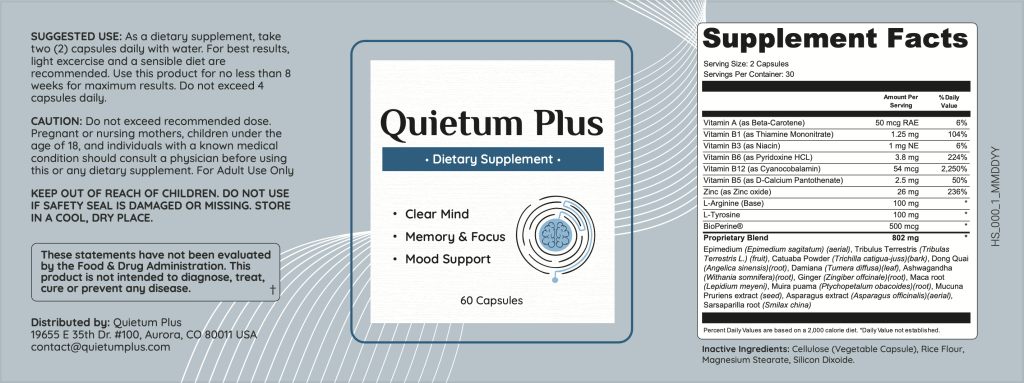
Zinc is a vital mineral involved in many bodily processes, including immune function and cell growth. Some research suggests that zinc deficiency might contribute to tinnitus, particularly in older adults. While supplementing with zinc might help those who are deficient, more research is needed to confirm its efficacy for tinnitus relief in the general population.
3. Magnesium
Magnesium plays a crucial role in nerve function and circulation, and some studies suggest it might help protect against noise-induced hearing loss, which can lead to tinnitus. Though not a guaranteed solution, magnesium supplements could be beneficial for those with tinnitus related to noise exposure. As always, consult with a healthcare provider to determine the proper dosage and avoid interactions with other medications.
4. Vitamin B12
Vitamin B12 deficiency has been linked to tinnitus in some cases. Supplementing with B12 might be helpful, especially for those whose tinnitus is related to a deficiency. However, the evidence is still inconclusive, and further research is necessary to establish a direct connection between B12 supplementation and tinnitus relief.
5. Melatonin
Melatonin, a hormone that regulates sleep, has been studied for its potential to alleviate tinnitus symptoms, particularly for those whose condition affects their sleep. Some research indicates that melatonin might help improve sleep quality and reduce tinnitus perception, making it a worthwhile option for those struggling with sleep disturbances related to tinnitus.
Conclusion
While tinnitus supplements might offer relief for some individuals with tinnitus, it’s crucial to approach them with caution and realistic expectations. The effectiveness of these supplements can vary based on the underlying cause of tinnitus and individual health conditions. It’s always advisable to consult with a healthcare professional before starting any new supplement regimen, especially if you are taking other medications or have existing health issues.
Remember, managing tinnitus often requires a comprehensive approach, including lifestyle changes, sound therapy, and cognitive behavioral strategies. Supplements can be one part of a broader management plan tailored to your specific needs. Always prioritize safe practices and informed decisions when exploring options for tinnitus relief.