Researchers are increasingly examining how what we eat could play a role in managing tinnitus symptoms. Diets focused on reducing inflammation seem to hold promise for providing relief. This approach emphasizes consuming foods that naturally combat inflammation, which may, in turn, help lessen the intensity or frequency of tinnitus for some individuals.
By incorporating anti-inflammatory foods into daily meals, individuals might experience a positive shift in their symptoms. In this guide, we’ll explore how an anti-inflammatory diet could be a helpful tool for those navigating the challenges of tinnitus, offering a potential avenue for symptom management.
Understanding Tinnitus
Tinnitus is not a disease in itself but rather a symptom of other underlying health conditions. It manifests as a persistent noise or ringing in the ears, which can range from a mild, occasional annoyance to a severe, constant distraction. This condition can be triggered or worsened by a variety of factors, including exposure to loud noises, certain medications, high blood pressure, and dietary habits.
The Inflammation Connection
Several studies suggest a link between inflammation and tinnitus. Inflammation is a natural response of the body to injury or illness, but when it becomes chronic, it can lead to various health problems. Chronic inflammation in the ear can damage the auditory nerves leading to symptoms of tinnitus. A diet high in inflammatory foods, such as processed meat, fried foods, and sugary beverages, may contribute to increased inflammation in the body, potentially worsening tinnitus symptoms.
The Role of Anti-Inflammatory Diets
An anti-inflammatory diet is rich in foods that help reduce inflammation in the body. This includes a variety of fruits and vegetables, whole grains, lean proteins, healthy fats, and spices known for their anti-inflammatory properties. Foods rich in omega-3 fatty acids like fatty fish, walnuts, and flaxseeds, and those high in antioxidants such as berries, dark chocolate, and green tea, are particularly beneficial.
A 2014 study published in the American Journal of Epidemiology found that women who followed an anti-inflammatory diet had a lower risk of hearing loss. While the study did not specifically focus on tinnitus, the findings suggest that reducing inflammation could help protect against conditions that lead to tinnitus.
In addition to reducing inflammation, an anti-inflammatory diet can also help manage other health conditions often associated with tinnitus, such as obesity, diabetes, and heart disease. By managing these conditions, an anti-inflammatory diet may indirectly help alleviate tinnitus symptoms.
Implementing an Anti-Inflammatory Diet
Switching to an anti-inflammatory diet doesn’t have to be a drastic change. Start by incorporating more fruits and vegetables into your meals, replacing refined grains with whole grains, and swapping unhealthy fats for healthy ones. Choose lean proteins like fish and poultry over red meat and processed meat, and add spices like turmeric and ginger to your dishes for their anti-inflammatory benefits.
It’s also important to reduce your intake of foods that can cause inflammation. Try to limit your intake of processed foods, sugary drinks, and alcohol, all of which can contribute to inflammation and potentially worsen tinnitus symptoms.
Wrapping Up
While more research is needed to fully understand the relationship between diet and tinnitus, current evidence suggests that adopting an anti-inflammatory diet could be beneficial for those suffering from this condition. As always, it’s important to consult with a healthcare provider before making significant dietary changes, especially for individuals with underlying health conditions or those on medication. An anti-inflammatory diet, combined with regular exercise, stress management, and adequate sleep, could be a comprehensive strategy for managing tinnitus and promoting overall health.
Key Takeaways
An anti-inflammatory diet may help reduce tinnitus symptoms for some people.
Foods like fruits, vegetables, whole grains, and fatty fish can lower inflammation in the body.
Avoiding processed foods, sugar, and trans fats can make a difference.
Healthy fats, like those found in olive oil, avocado, and nuts, are excellent choices.
Staying hydrated and reducing caffeine or alcohol intake might also help.
A balanced diet supports overall health, which can improve how you manage tinnitus.
Changes in diet alone may not cure tinnitus but could make symptoms less noticeable.
Anti-Inflammatory Diets and Tinnitus: Frequently Asked Questions
What is tinnitus, and how does it relate to diet?
Tinnitus is the perception of ringing, buzzing, or other sounds in the ears without an external sound source. While there’s no direct dietary cure, certain foods may help reduce inflammation, which can indirectly affect tinnitus symptoms.
Can an anti-inflammatory diet help with tinnitus symptoms?
An anti-inflammatory diet, rich in vegetables, fruits, whole grains, and healthy fats, may improve overall brain and vascular health. This could potentially lower the severity of tinnitus in some people.
Are there specific foods that worsen tinnitus?
Yes, certain foods have been reported to trigger or worsen tinnitus in some people. Common culprits include high-sugar foods, processed items, salty snacks, caffeine (for sensitive individuals), and alcohol. Keep a food diary to track personal triggers.
Can caffeine cause or worsen tinnitus?
Caffeine doesn’t affect everyone the same way. Some studies suggest moderate caffeine intake may actually have protective effects. However, for others, it can act as a trigger. Monitor your symptoms after consuming coffee or energy drinks to see how your body reacts.
Are there any nutrients linked to reducing tinnitus symptoms?
Vitamin B12, antioxidants, and magnesium may play a role in managing tinnitus. For example, low vitamin B12 levels have been linked to higher tinnitus risk. Foods like leafy greens, nuts, and lean proteins are good choices.
How does inflammation influence tinnitus?
Chronic inflammation can affect blood flow and nerve function, potentially worsening conditions like tinnitus. Anti-inflammatory diets aim to reduce this systemic inflammation, which might help alleviate symptoms.
Is the Mediterranean diet good for people with tinnitus?
Yes, the Mediterranean diet is often recommended since it focuses on anti-inflammatory foods, such as olive oil, fish, fruits, and vegetables. It encourages better vascular health, which may positively impact tinnitus.
Should I avoid dairy if I have tinnitus?
Unless you’re lactose intolerant or sensitive to dairy, it’s typically not necessary to avoid it. Some research even suggests dairy, particularly yogurt, contains probiotics that might help overall well-being. Monitor how it affects your symptoms.
Can weight loss through diet influence tinnitus?
Tinnitus severity isn’t directly linked to body weight, but losing weight through a balanced diet can improve blood flow and reduce inflammation. These factors might indirectly improve tinnitus management.
Are supplements like Ginkgo biloba effective for tinnitus?
Research doesn’t support the effectiveness of Ginkgo biloba, zinc, or other supplements specifically for treating tinnitus. Always consult a doctor before trying supplements since they can interact with medications.
Does drinking more water help tinnitus?
Staying hydrated is important for general health and can help reduce ear-related issues caused by dehydration. While it may not directly cure tinnitus, proper hydration supports circulation and overall health.
Are spicy foods bad for tinnitus?
Spicy foods may trigger tinnitus symptoms in some individuals due to their impact on circulation or body temperature. This is highly individual, so it’s best to track personal responses.
How long does it take for dietary changes to affect tinnitus?
There’s no set timeline, as results vary. Some people notice changes in weeks, while others need months of consistent dietary adjustments. Pair diet with other treatments for the best outcomes.
Should I completely eliminate trigger foods?
Not necessarily—elimination diets can help identify triggers, but total restriction isn’t always practical or necessary. Start by reducing suspected triggers and monitor any symptom changes.
Is an anti-inflammatory diet enough to treat tinnitus?
An anti-inflammatory diet might reduce symptoms but isn’t a standalone cure. It works best when combined with medical treatments, ear protection, stress management, and good sleep habits. Always consult a healthcare professional.
Final Thoughts
Following an anti-inflammatory diet might not provide a guaranteed solution for tinnitus, but it could help manage inflammation, which may offer some relief. Simple changes, like adding more fruits, vegetables, and omega-3-rich foods to your meals, can support your overall health. Pay attention to your triggers and make thoughtful food choices to promote better well-being. “Peace for your ears, calm for your mind.”
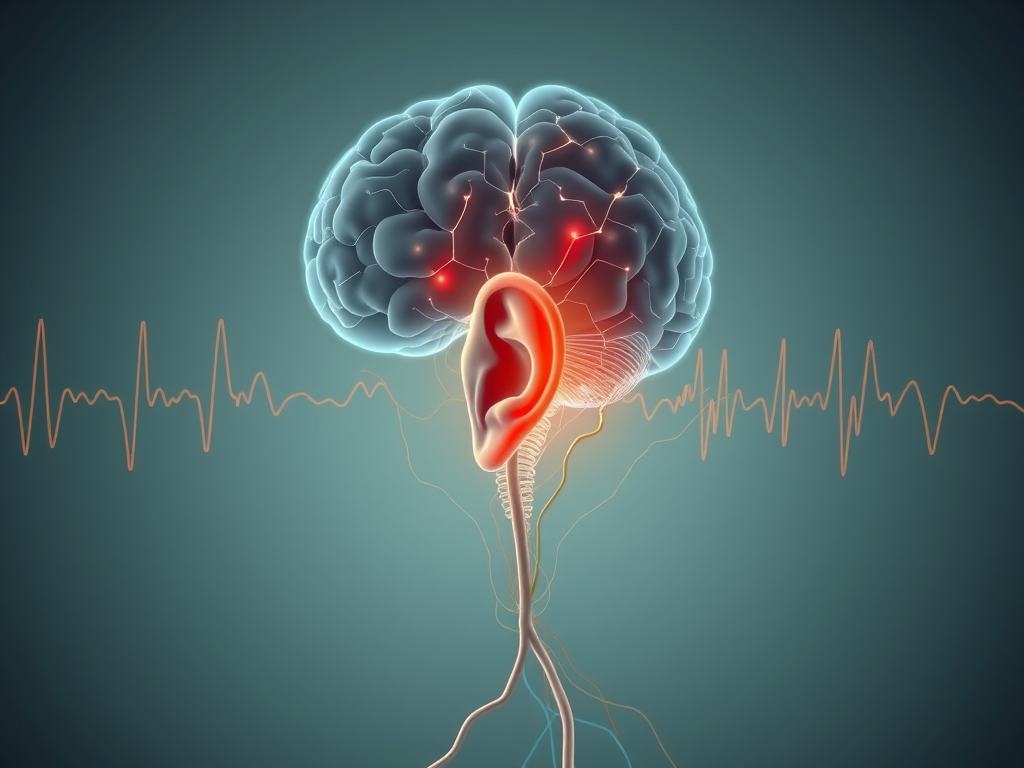
Tinnitus often feels like a constant, intrusive sound that refuses to go away, making it hard to concentrate or relax. For many people, it’s more than just a small inconvenience it’s a symptom linked to nerve damage. This usually stems from the complex interaction between the ears and the brain. Understanding this connection is essential for finding effective relief. The good news is that there are treatments specifically developed for tinnitus caused by nerve damage. This guide will outline options that can help reduce the noise and improve your overall well-being.
What Causes Tinnitus and How Nerve Damage Plays a Role
Tinnitus isn’t just a random sound in your ears,it’s often a signal that something deeper is happening in your auditory system. For many, the cause can be traced back to nerve damage, especially involving the auditory nerve. To better understand how this connection works, let’s break it down step by step.
The Auditory Nerve: A Delicate Pathway
The auditory nerve is a critical part of how we hear. It acts like a highway for sound, carrying electrical signals from your ear to your brain. Think of it as the messenger in charge of translating vibrations into sounds you recognize, like music, a friend’s voice, or the hum of traffic.
But when this nerve gets damaged, the signals it sends can become scrambled or distorted. Instead of clear messages, the brain may interpret misfires as ringing, buzzing, or other phantom sounds. This disruption is one of the main ways nerve damage can lead to tinnitus. Sometimes, even when there’s no external sound, the brain continues to “fill in the blanks,” creating the illusion of noise that just won’t stop.
Common Triggers Leading to Nerve Damage and Tinnitus
A variety of factors can harm the auditory nerve, ultimately contributing to tinnitus. These triggers are surprisingly common and can affect anyone:
Aging: Over time, the wear and tear on your ears and nerves can lead to hearing loss and tinnitus. This is a natural part of aging, but it can be frustrating when these symptoms begin to interfere with daily life.
Loud noise exposure: Ever left a concert or noisy event and noticed a high-pitched ringing afterward? Repeated exposure to these loud environments can cause long-term damage to the auditory nerve.
Ototoxic medications: Certain drugs, including some antibiotics, chemotherapy agents, and NSAIDs, can be toxic to the sensitive cells in your ear. This can lead to nerve damage and, in turn, tinnitus.
Health conditions: Issues like diabetes, high blood pressure, or autoimmune diseases can impact blood flow and nerve function, increasing the risk of tinnitus.
These triggers are often cumulative, meaning the more exposure you have, the higher your risk for developing persistent tinnitus.
How Tinnitus Feels: More Than Just Ringing in the Ears
Describing tinnitus to someone who doesn’t experience it can be challenging. It’s more than just a sound; it’s persistent and can feel unrelenting. Most people describe it as a ringing, buzzing, or humming, but the sensations vary widely. For some, it’s a faint background noise. For others, it’s an intense and piercing sound that competes with everything else around them.
Tinnitus doesn’t just affect hearing, it seeps into daily life. Imagine trying to hold a conversation, focus on work, or fall asleep while a constant, invisible noise dominates your senses. Over time, this can lead to fatigue, stress, and even anxiety. It’s like trying to tune into a radio station, only to hear static no matter how carefully you adjust the dial.
For those experiencing tinnitus caused by nerve damage, finding relief is key. While the condition is frustrating, understanding its root cause can be a significant step toward managing it effectively.
Medical Treatments for Tinnitus Linked to Nerve Damage
When tinnitus stems from nerve damage, addressing it requires a multifaceted approach. While there may not always be a way to completely eliminate the ringing or buzzing, medical advances provide several options to reduce symptoms and improve overall nerve health. Let’s explore the most effective treatments available.
Medications to Manage Nerve-Related Tinnitus
While there isn’t a pill specifically designed to cure tinnitus, certain medications can help manage the condition, particularly when it’s tied to nerve-related issues. These medications work by targeting the underlying causes or associated symptoms:
Anti-anxiety medications: Stress and anxiety often make tinnitus worse, creating a vicious cycle that amplifies the sound in your ears. Medications like benzodiazepines may help calm the nervous system and reduce the perception of tinnitus, though they’re generally used as a short-term option due to potential side effects and dependency risk.
Antidepressants: Tinnitus can take a significant emotional toll, leading to depression and trouble coping. Tricyclic antidepressants, such as amitriptyline, are sometimes prescribed to improve mood and help patients better manage their symptoms. While not a direct fix, they can ease the mental burden.
Neuropathic pain medications: Drugs like gabapentin, often used for nerve pain, might be effective for some tinnitus sufferers. These medications aim to calm overactive nerve pathways that might be misfiring and creating phantom noise.
For medications to truly help, they need to be part of a broader treatment plan that prioritizes mental, emotional, and physical health.
Hearing Aids and Cochlear Implants
Hearing aids and cochlear implants are powerful tools in combating tinnitus, especially when hearing loss is linked to nerve damage. These devices help rebalance the auditory system, making tinnitus less noticeable.
Hearing aids: By amplifying external sounds, hearing aids can mask the constant ringing or buzzing. They also stimulate neural pathways in the auditory system, correcting some of the imbalance that contributes to tinnitus perception. Modern hearing aids often come with features like white noise generators, adding another layer of relief for users.
Cochlear implants: For more severe hearing loss caused by nerve damage, cochlear implants may be a solution. These devices bypass damaged parts of the ear and send signals directly to the auditory nerve. Along with restoring some level of hearing, they can also reduce tinnitus symptoms by retraining the brain to focus on interpreting actual sounds instead of creating phantom ones.
Devices like these don’t just improve hearing—they also restore confidence in daily interactions, making it easier for people to reconnect with the world around them.
Cognitive Behavioral Therapy (CBT) for Tinnitus
Tinnitus doesn’t only affect the ears—it affects the mind as well. The endless noise can lead to overwhelming frustration, insomnia, and even despair. Cognitive Behavioral Therapy (CBT) offers a lifeline by guiding patients toward better coping mechanisms.
CBT works by changing the way you react to tinnitus. Instead of focusing on the sound and the negative emotions it stirs, CBT helps shift your perspective. For example, patients learn techniques to reduce their emotional response to tinnitus, making the noise less bothersome over time.
Here’s what a typical CBT program might include:
Relaxation techniques: Learning how to reduce physical tension can make tinnitus less prominent. Deep breathing, progressive muscle relaxation, and mindfulness are common approaches.
Reframing thought patterns: Therapists help patients identify and challenge negative beliefs about their condition. This could involve replacing “This sound is ruining my life” with “The sound is there, but I can manage it without letting it dominate my thoughts.”
Structured coping strategies: Patients are guided through ways to gradually reduce the stress and anxiety triggered by tinnitus. CBT often pairs well with other treatments since emotional well-being plays a critical role in managing symptoms.
Though CBT doesn’t cure tinnitus, it equips you with the mental tools to live with it comfortably, building resilience and lowering the impact it has on your day-to-day life.
By combining the right medical treatments, devices, and therapeutic strategies, people can find significant relief from tinnitus caused by nerve damage.
Lifestyle Changes to Support Tinnitus Nerve Damage Treatment
When dealing with tinnitus caused by nerve damage, medical treatments and therapies play a vital role, but lifestyle changes often work alongside them to deliver better results. By making intentional adjustments to daily habits, you can support nerve health and potentially reduce the intensity of tinnitus. Let’s explore key lifestyle strategies that can make a positive impact.
The Role of a Healthy Diet
What you eat has a direct influence on your overall health, including the function of your nerves. Certain nutrients are especially beneficial for protecting and repairing the auditory nerves that play a role in tinnitus.
Magnesium: Known to improve nerve health and reduce inflammation, magnesium has shown promise in easing tinnitus symptoms. Found in foods like spinach, almonds, and avocados, it helps prevent damage to inner ear cells that are essential for sound transmission.
Vitamin B12: This nutrient is critical for nerve function, as it helps to build and maintain myelin—the protective coating around nerves. Low levels can sometimes exacerbate tinnitus, so incorporating B12-rich foods like eggs, dairy products, fish, and fortified cereals can be beneficial.
Zinc: Linked to maintaining inner ear health, zinc deficiency has been associated with increased tinnitus in some cases. Beef, shellfish, pumpkin seeds, and chickpeas are great sources of this mineral.
Antioxidants: Foods rich in antioxidants, such as berries, dark leafy greens, and dark chocolate, protect nerve cells from oxidative stress a key factor in nerve damage.
By focusing on a nutrient-dense diet, you’re not just feeding your body. You’re fueling your auditory system and giving your nerves the tools they need to perform their best.
Benefits of Regular Exercise
Exercise doesn’t just build muscles, it keeps your entire body, including your nervous system, in optimal condition. When it comes to tinnitus, regular physical activity positively impacts cardiovascular health, which plays a significant role in auditory function.
How does this work? Good blood flow is essential for carrying oxygen and nutrients to the auditory nerves. Exercise strengthens the cardiovascular system, ensuring blood flows efficiently to the tiny, delicate structures in your ears. Poor circulation, on the other hand, can worsen nerve health and intensify tinnitus symptoms.
If you’re looking for exercise ideas, consider these tinnitus-friendly activities:
Walking or jogging: These low-impact cardio exercises get your heart rate up without overwhelming your body.
Swimming: Gentle on the joints, swimming improves circulation and relaxes both body and mind.
Yoga or tai chi: These exercises combine movement with mindfulness, offering a dual benefit for nerve health and stress reduction.
Aim for at least 30 minutes of moderate exercise most days of the week. Not only will your ears benefit, but you may also find a boost in energy, mood, and overall well-being.
Stress Management and Relaxation Techniques
Stress can significantly heighten the perception of tinnitus. Think of it like static on a radio—when your body is under stress, it amplifies the noise. Managing stress effectively is critical in alleviating tinnitus triggers.
Here are some practices you can incorporate into daily life to keep stress in check:
Mindfulness meditation: Spending even 10 minutes a day in quiet focus, paying attention to your breath or surroundings, can calm the nervous system and help you feel balanced.
Yoga: Beyond the physical benefits, yoga promotes relaxation by encouraging deep breathing and present-moment awareness. This dual approach can help ease tension that adds to tinnitus.
Deep breathing exercises: When stress spikes, the first thing to do is breathe. Try diaphragmatic breathing—inhale deeply through your nose for four counts, hold for four, and exhale slowly for six or eight counts. This taps into your parasympathetic nervous system, quieting your mind and body.
Progressive muscle relaxation: Starting from your toes and working upwards, tense and then slowly relax each muscle group. This technique helps release physical tension that you may not even notice you’re holding.
Incorporating stress management techniques won’t silence tinnitus entirely, but it can make the ringing feel less intrusive. A calm and relaxed body handles those phantom sounds with far greater ease.
By prioritizing diet, exercise, and stress management, you’re setting the foundation for better nerve health and quieter days ahead. These changes may seem small, but over time, they add up to a significant impact on how you experience tinnitus.
Emerging Treatments and Research for Tinnitus Nerve Damage
Navigating the challenges of tinnitus caused by nerve damage can feel like balancing on a tightrope, but recent advancements in science and medicine are offering real hope. Researchers are zeroing in on innovative therapies designed to directly repair nerve damage or retrain the brain’s response to it. These breakthroughs could revolutionize how nerve-related tinnitus is treated.
Neuromodulation Technologies
Imagine being able to retrain your brain like adjusting the frequency on a radio to tune out static. Neuromodulation therapies aim to do just that. By using cutting-edge tools, such as transcranial magnetic stimulation (TMS) and vagus nerve stimulation (VNS), these treatments target the brain regions responsible for the perception of tinnitus.
Transcranial Magnetic Stimulation (TMS): TMS uses magnetic pulses to stimulate nerve cells in areas of the brain linked to auditory processing. This non-invasive approach helps “reset” abnormal electrical activity involved in tinnitus. Clinical studies show that TMS may reduce the intensity of symptoms for some patients, offering a potential lifeline when traditional methods don’t work.
Vagus Nerve Stimulation (VNS): By delivering gentle electrical stimulation to the vagus nerve (a nerve that connects the brain to the body), combined with sound therapy, researchers are working to rewire how the brain interprets signals connected to tinnitus. Early trials suggest this technique could help reduce the phantom noise over time.
These therapies are evolving quickly, and while they’re not yet standard practice for everyone, the potential is thrilling. For individuals dealing with tinnitus rooted in nerve damage, these treatments could turn something once thought permanent into a manageable condition.
Stem Cell and Regenerative Therapies
What if your body could help repair itself? That’s the promise of stem cell therapy, which is emerging as a fascinating option for tackling nerve damage in tinnitus patients. Stem cells, which have the unique ability to transform into specialized types of cells, may hold the key to repairing damaged auditory nerves or even restoring lost function.
Here’s how this works: researchers are exploring ways to use stem cells to regenerate damaged nerve fibers in the auditory pathway. These cells could potentially repair the damaged “highway” of communication between your inner ear and brain. While this area of medicine is still in its experimental stages, early studies in animal models have shown encouraging results, laying the groundwork for future human trials.
Beyond stem cells, regenerative therapies are also focusing on growth factors, molecules that encourage nerve repair and regeneration. These approaches aim to “wake up” the body’s natural healing mechanisms to mend damaged nerve tissue in the auditory system.
Although we’re not at the point where these therapies are widely available, their progress highlights a future where tinnitus caused by nerve damage could be addressed at its root rather than just managing symptoms.
Gene Therapy and Future Possibilities
Genetics play a vital role in how our auditory system works, and gene therapy is pushing boundaries by targeting the underlying causes of nerve-related tinnitus. This approach involves introducing or modifying genes within cells to fix damaged ones or compensate for faulty processes causing the unwanted sounds.
One avenue researchers are exploring is repairing defective or damaged genes that impact the auditory nerve. By delivering corrected versions of these genes directly to affected cells, gene therapies aim to restore proper function where it’s been compromised. Cutting-edge tools like CRISPR (a technology used to edit genes) are showing promise in this field, offering the potential to surgically correct genetic issues tied to tinnitus and hearing loss.
Additionally, scientists are investigating ways to use gene therapy to deliver protective proteins into the auditory system. These proteins might help shield nerve cells from further damage or even restore their function, much like patching up a cracked foundation to stabilize a house.
WWhile these treatments are years away from being available to the public, their development marks an exciting step forward. They signal a shift from simply managing the symptoms of tinnitus to tackling nerve damage at its core.
Advances in neuromodulation, regenerative medicine, and gene therapy are paving the way for groundbreaking solutions to tinnitus caused by nerve damage. While these treatments are still in development or in limited use, the progress gives hope to millions afflicted by this challenging condition.
Conclusion
Treating tinnitus caused by nerve damage is no longer a distant hope but a real opportunity for relief. From medical therapies like hearing aids and cognitive behavioral strategies to the promise of groundbreaking innovations like neuromodulation, stem cells, and gene therapy, there are paths to ease the noise and regain control.
Every person’s journey with tinnitus is unique, and the most effective treatment often combines professional guidance, self-care, and emerging medical advancements. By working with healthcare providers and exploring the options available, relief becomes a realistic goal.
Tinnitus can feel overwhelming, but progress in understanding and treating it shines a bright light on what’s possible. Don’t settle for the noise; take the first step toward quieter, more peaceful days. “Quietum Plus: The sound solution you’ve been waiting for.”
Life with tinnitus isn’t easy, and poor sleep often makes it worse. But did you know improving your sleep hygiene could help manage the problem? The link between healthy sleep habits and tinnitus is stronger than many realize. Stick around to learn how your nightly routine might be the key to feeling better both during the day and while resting at night.
Understanding Tinnitus
Tinnitus is a condition characterized by the perception of noise or ringing in the ears when no external sound is present. It’s a common problem that affects about 15-20% of people, and it’s often linked to age-related hearing loss, ear injury, or a circulatory system disorder.
The Link Between Sleep Hygiene and Tinnitus
Sleep hygiene refers to the series of habits and practices that are conducive to sleeping well on a regular basis. These include maintaining a consistent sleep schedule, creating a restful environment, and avoiding behaviors that disrupt sleep, such as consuming caffeine late in the day or excessive nighttime screen time.
Poor sleep hygiene has been linked to a variety of health issues, including obesity, diabetes, and cardiovascular diseases. Recent studies have also drawn a connection between sleep hygiene and tinnitus. It appears that poor sleep can exacerbate tinnitus symptoms, creating a tricky cycle where the tinnitus makes it hard to sleep, and the lack of sleep makes the tinnitus worse.
Simple Changes to Improve Sleep and Tinnitus
Establish a regular sleep routine: Going to bed and getting up at the same time every day can help regulate your body’s internal clock and improve your sleep quality. This consistency can also help reduce tinnitus symptoms.
Create a restful sleep environment:Ensure your bedroom is quiet, dark, and cool. Consider using a white noise machine or fan to mask the sound of tinnitus and promote better sleep.
Limit exposure to screens before bed: The light emitted by phones, tablets, computers, and TVs can interfere with your body’s production of the sleep hormone melatonin. Try to turn off these devices at least an hour before bedtime.
Exercise regularly: Regular physical activity can help you fall asleep faster and enjoy deeper sleep. Just be sure not to exercise too close to bedtime, as it can interfere with your sleep.
Manage stress: Stress and anxiety can worsen tinnitus and interfere with sleep. Relaxation techniques, such as deep breathing, meditation, yoga, or progressive muscle relaxation, can help reduce stress levels and promote better sleep.
Avoid caffeine and alcohol: These substances can interfere with your sleep. Try to avoid them in the hours leading up to bedtime.
Eat a healthy diet: Certain foods may exacerbate tinnitus symptoms. Try to maintain a balanced diet and note any foods that seem to trigger your tinnitus.
Conclusion
While tinnitus can be a challenging condition to manage, improving your sleep hygiene can make a significant difference in alleviating symptoms. By making these simple changes, you can enhance both your sleep quality and your overall health, providing a dual benefit for those dealing with tinnitus. As always, if your tinnitus symptoms persist or worsen, be sure to consult with a healthcare professional.
Key Takeaways
Good sleep hygiene can reduce the impact of tinnitus.
A consistent sleep schedule helps improve rest and lessen tinnitus-related stress.
Avoid caffeine and alcohol before bed, as they can worsen symptoms.
Create a calming bedtime routine to relax and prepare for sleep.
Reduce screen time before bed to limit distractions and improve sleep quality.
White noise or sound machines can mask tinnitus and help you fall asleep.
Keep your bedroom dark, quiet, and cool for better sleep.
Managing stress and practicing relaxation techniques can improve both sleep and tinnitus.
Small changes to your habits can make a big difference over time.
FAQs: Sleep Hygiene and Tinnitus
What’s the connection between tinnitus and sleep problems?
Tinnitus (ringing or buzzing in the ears) often disrupts sleep because it’s more noticeable in quiet environments, like at bedtime. This can make it harder to fall or stay asleep. Lack of sleep and tinnitus also create a feedback loop—poor sleep can make tinnitus feel louder, and louder tinnitus can disrupt sleep further.
How can I improve my sleep with tinnitus?
Adopt good sleep habits, like sticking to a consistent sleep schedule and creating a bedtime routine. Use white noise machines or apps to mask ringing sounds. Avoid caffeine, alcohol, and nicotine close to bedtime, as they can worsen both tinnitus and sleep quality. Relaxation techniques like deep breathing or meditation can also help.
Does sound therapy really help with tinnitus at night?
Yes, sound therapy is one of the most effective tools for managing tinnitus during sleep. White noise, nature sounds, or even soft background music can make the ringing less noticeable and create a calming environment to help you fall asleep.
Can stress about tinnitus make it harder to sleep?
Absolutely. Stress can amplify tinnitus symptoms, making the ringing seem louder and disrupting sleep. Practicing mindfulness or relaxation exercises can help lower stress levels, which in turn may reduce both your tinnitus perception and its impact on your sleep.
Should I see a doctor if tinnitus is ruining my sleep?
Yes. If tinnitus is consistently interfering with your ability to sleep or your daily life, it’s a good idea to talk to a healthcare professional. They may recommend hearing evaluations, cognitive behavioral therapy (CBT), or other treatments tailored to your needs.
Is it normal for tinnitus to seem louder at night?
Yes, this is common. During the day, environmental sounds naturally mask tinnitus. At night, when it’s quieter, the ringing can feel more pronounced, making it more difficult to mentally tune out.
Can using a fan or humidifier help?
Yes. Devices like fans, humidifiers, or air purifiers produce soft background noises that can help mask tinnitus sounds. These are simple, low-cost options that might improve your sleep environment.
What kind of therapies can help with tinnitus-related sleep issues?
Cognitive Behavioral Therapy for Insomnia (CBT-I) can teach you strategies for better sleep. Tinnitus Retraining Therapy (TRT) focuses on changing how your brain responds to tinnitus. Both methods, often combined with sound therapy, have been shown to improve sleep.
Are there any sleep positions that help with tinnitus?
Sleeping on your back may help minimize pressure on your ears and neck, which can sometimes worsen tinnitus for certain people. Experiment with positions to see what feels most comfortable for you.
Can hearing aids help me sleep better if I have tinnitus?
If your tinnitus is linked to hearing loss, hearing aids may help. They can amplify external sounds and reduce the brain’s focus on tinnitus, which might make it easier to relax and fall asleep.
Should I avoid screens before bed if I have tinnitus?
Yes. The blue light from screens can disturb your sleep cycle, making falling asleep harder. Reducing screen time an hour before bedtime can improve sleep quality and help you manage tinnitus-related disruptions.
Final Thoughts: Prioritizing sleep hygiene is key when managing tinnitus. Simple habits like a consistent bedtime and limiting screen time can make a big difference. Start making small changes today and see how your nights improve. “Quietum Plus: Small change, big difference.“
Epilepsy and tinnitus are two different neurological conditions that can greatly affect a person’s daily life. While these disorders vary in how they function and impact the body, they share the ability to interfere with routines and overall well-being. This article explores both epilepsy and tinnitus, their potential connection, and the ways they influence those living with these challenges.
Understanding Epilepsy
Epilepsy is a chronic neurological disorder characterized by recurrent seizures. It’s one of the most common neurological disorders, affecting approximately 50 million people worldwide, according to the World Health Organization. The seizures experienced by people with epilepsy are due to sudden and abnormal electrical activity in the brain. These seizures can vary in severity, from brief lapses in attention or muscle spasms to severe and prolonged convulsions. Epilepsy can be caused by various factors such as genetic influence, head trauma, stroke, brain infections, or developmental disorders like autism and neurofibromatosis.
Understanding Tinnitus
On the other hand, tinnitus is a condition characterized by the perception of noise or ringing in the ears when no external sound is present. This condition affects approximately 15-20% of the population, according to the Mayo Clinic. Tinnitus is generally a symptom of an underlying condition, such as age-related hearing loss, ear injury, or a circulatory system disorder. It can manifest as various types of perceived sounds, such as buzzing, hissing, whistling, swooshing, or clicking. In some cases, the phantom noise may fluctuate in volume and it can be perceived in one or both ears.
The Link Between Epilepsy and Tinnitus
Research into the connection between epilepsy and tinnitus is still in its early stages, but some studies suggest a potential link. Key to understanding this link is the concept of ‘neural hyperactivity’ – the overactivity of neurons in the brain or nervous system. In epilepsy, this hyperactivity leads to seizures, while in tinnitus, it results in the perception of phantom sounds.
One such study published in the journal “Epilepsy & Behavior” found that people with epilepsy were more likely to report experiencing tinnitus. The researchers hypothesized that the common factor might be the neural hyperactivity present in both conditions. However, more research is needed to fully understand the potential correlation and underlying mechanisms.
Managing Epilepsy and Tinnitus
Both epilepsy and tinnitus require professional medical diagnosis and management. For epilepsy, treatment usually involves anti-epileptic drugs (AEDs) to control and reduce the frequency of seizures. In some cases, surgical procedures, dietary therapies, or nerve stimulation might be required.
Tinnitus, meanwhile, is often managed through treatments that focus on the underlying cause, if known. This can involve medication changes, noise suppression, or therapies to help cope with the condition. In some cases, treating the underlying cause can resolve tinnitus; however, in others, the condition can be a lifelong challenge.
In the case of individuals experiencing both epilepsy and tinnitus, coordinated care between neurologists and otolaryngologists (ear, nose, and throat specialists) is crucial to help manage these conditions effectively. Additionally, counseling and support groups can be beneficial in dealing with the emotional and psychological impacts of these disorders.
In conclusion, both epilepsy and tinnitus are complex neurological conditions that can significantly impact individuals’ lives. Despite their differences, they may share a common thread: neural hyperactivity. While more research is needed to understand fully the potential link between these two conditions, a multidisciplinary approach to treatment can help manage symptoms and improve quality of life for those affected by epilepsy and tinnitus.
Key Takeaways
Epilepsy and tinnitus connection: Both involve the brain and nervous system but are different conditions.
Epilepsy explained: A neurological disorder causing recurrent seizures due to abnormal brain activity.
What tinnitus is: A ringing or buzzing sound in the ears not caused by an external source.
Shared symptoms: Both can involve sensory disruptions, but the causes and effects differ.
Overlap possibilities: Rare cases show tinnitus may trigger sensory stress that could relate to seizures in epilepsy.
Seeking help: If you have both conditions, talk to a healthcare provider for proper management.
Common Questions About Epilepsy and Tinnitus
What is the connection between epilepsy and tinnitus?
Both conditions involve issues with overly excitable neural activity in the brain. Epilepsy causes abnormal electrical discharges leading to seizures, while tinnitus often stems from heightened or inappropriate activity in the auditory pathways.
Can epilepsy cause tinnitus?
Yes, some people with epilepsy experience tinnitus as part of their symptoms, particularly in focal epilepsies involving the temporal lobe. This can manifest as ringing, buzzing, or other auditory sensations during seizures or as a seizure aura.
Are there medications that treat both epilepsy and tinnitus?
Certain drugs, such as those targeting KCNQ potassium channels, may benefit both conditions. For example, a newer drug, SF0034, is being developed to control nerve activity more selectively, potentially helping epilepsy and tinnitus with minimal side effects.
Can tinnitus trigger a seizure in people with epilepsy?
Loud or specific sounds, including tinnitus-like noises, might act as triggers for some individuals with sensory-sensitive epilepsy. However, this varies widely and depends on the type and triggers of the person’s epilepsy.
Is tinnitus a side effect of anti-seizure medications?
Yes, some anti-seizure medications can cause tinnitus as a side effect due to their impact on the auditory nerve or inner ear. Ototoxicity, or damage to the ear from medication, can lead to hearing issues, including tinnitus.
How is epilepsy with auditory symptoms diagnosed?
Diagnosis often involves observing symptoms like auditory hallucinations, ringing, or sound distortions, combined with EEG and MRI results. This can help identify epilepsy with auditory features, sometimes linked to the lateral temporal lobe.
Are auditory symptoms in epilepsy always due to seizures?
Not always. While auditory symptoms can be part of seizure activity in epilepsy, they may also come from other causes, including medication side effects, inner ear issues, or unrelated neurological conditions.
Can tinnitus make epilepsy worse?
Tinnitus itself doesn’t worsen epilepsy, but the stress or sleep disturbances it may cause could heighten seizure susceptibility in individuals with epilepsy.
Is tinnitus common in people with temporal lobe epilepsy?
Yes, temporal lobe epilepsy is sometimes associated with auditory symptoms like tinnitus, buzzing, or even auditory illusions. These symptoms may occur before or during seizures.
What types of tests are used to investigate epilepsy and tinnitus together?
Doctors may order auditory tests, EEGs, and brain imaging like MRIs to investigate both conditions. Specific focus is placed on identifying areas of unusual brain activity that may underlie both symptoms.
Final Thoughts: Epilepsy and tinnitus can feel overwhelming, but understanding their connection empowers better management. By staying informed and working closely with healthcare professionals, you can take control of your health. If you found this information helpful, consider sharing it to raise awareness. “Life sounds better with Quietum Plus.”
Cannabidiol (CBD) is a natural compound derived from the cannabis plant that has sparked growing interest for its potential health benefits. Among the areas being explored is how it might affect tinnitus, a condition where individuals experience persistent sounds like ringing, buzzing, or whistling in their ears. These noises can be disruptive and significantly impact daily life. This article reviews the connection between CBD and tinnitus, highlighting current research and what it could mean for those dealing with this condition.
CBD: A Quick Overview
CBD is one of the hundreds of cannabinoids found in the cannabis plant. Unlike its fellow cannabinoid, tetrahydrocannabinol (THC), CBD does not have psychoactive properties, meaning it won’t make users feel ‘high.’ Because of its non-psychoactive nature, CBD has become an appealing option for those looking for relief from various conditions, including pain, anxiety, inflammation, and possibly tinnitus.
The Connection Between CBD and Tinnitus
The relationship between CBD and tinnitus is complicated and not fully understood. While some anecdotal reports suggest that CBD may help alleviate tinnitus symptoms, the scientific research is not yet conclusive.
The potential benefit of CBD for tinnitus may lie in its ability to interact with the endocannabinoid system (ECS) – a complex cell-signaling system in our bodies involved in maintaining homeostasis. Given that tinnitus is thought to be linked to the hyperactivity of neurons in the auditory pathway, it is hypothesized that CBD’s interaction with ECS might help regulate this hyperactivity, potentially reducing tinnitus symptoms.
Interestingly, some studies have indicated that cannabinoids, including CBD, could potentially exacerbate tinnitus. For instance, a study published in the Journal of the Association for Research in Otolaryngology found that rats with tinnitus showed an increase in their symptoms when given cannabinoids.
However, this study involved animals and not humans, and it utilized a specific combination of cannabinoids, not CBD alone. Therefore, it may not fully represent the effects of CBD on human tinnitus sufferers.
The Need for Further Research
The inconclusive and sometimes contradicting evidence underscores the need for further research on the potential benefits and drawbacks of using CBD for tinnitus. While some individuals report relief from their tinnitus symptoms after using CBD, it’s crucial to remember that these are subjective experiences and may not apply universally.
Moreover, the safety profile of CBD, while generally considered good, also needs further exploration, particularly in relation to long-term use and potential drug interactions.
Conclusion
While the potential for CBD to alleviate tinnitus symptoms is an exciting prospect, it’s important to approach this topic with caution due to the lack of concrete scientific evidence. If you’re considering using CBD for tinnitus, it’s recommended to consult with a healthcare professional first. They can provide personalized advice based on your medical history and current condition.
As science continues to explore the potential benefits and risks of CBD, it’s hoped that clearer answers about its role in the management of tinnitus will emerge, potentially providing relief for the millions of individuals living with this condition. Until then, it’s crucial to rely on proven methods and treatments for managing tinnitus.
Key Takeaways
CBD is being studied as a possible way to help with tinnitus symptoms.
Tinnitus is a condition where people hear ringing or other noises without an external source.
There’s limited research linking CBD and tinnitus relief directly.
CBD may reduce stress or anxiety, which can worsen tinnitus for some people.
It’s unclear if CBD directly affects the brain or inner ear to improve symptoms.
More studies are needed to understand whether CBD helps or if it’s just supportive for overall well-being.
Always consult a healthcare provider before using CBD, especially for tinnitus or hearing-related issues.
FAQ: The Relationship Between CBD and Tinnitus
What is tinnitus?
Tinnitus is the perception of ringing, buzzing, or other noises in the ears without an external sound source. It’s often linked to hearing loss, age, or exposure to loud noises.
Can CBD cure tinnitus?
There’s no scientific evidence that CBD can cure tinnitus. Research on CBD and tinnitus is limited, and more studies are needed to determine its effects.
How might CBD help with tinnitus symptoms?
Some people use CBD to manage stress, anxiety, or sleep issues, which may indirectly help those living with tinnitus. However, its direct effect on tinnitus symptoms isn’t proven.
Does CBD have any impact on the inner ear?
Current research doesn’t show that CBD directly affects the inner ear or auditory system. Its effects mainly come from how it interacts with the brain and nervous system.
Are there side effects of using CBD for tinnitus?
CBD may cause side effects like drowsiness, dry mouth, or changes in appetite. People with tinnitus should consult a doctor before use, as it could interact with other medications.
Is there any scientific research on CBD and tinnitus?
Studies on CBD’s role in tinnitus are scarce. Some research focuses on its broader potential for reducing anxiety or inflammation, but direct links to tinnitus are inconclusive.
Are there risks in combining CBD with tinnitus medications?
CBD can interact with certain medications, including those for tinnitus or related conditions. Always consult a healthcare provider before combining CBD with other treatments.
Should I use CBD oil or capsules for tinnitus?
Both options are available, but the choice depends on personal preference and advice from a healthcare professional. There’s no evidence that one form is more effective for tinnitus.
Is it safe to use CBD every day?
CBD is generally considered safe for most people, but daily use should be discussed with a doctor, especially if you have a medical condition or take other medications.
Could CBD worsen tinnitus?
There’s no evidence suggesting that CBD worsens tinnitus, but reactions vary. Some may not notice any changes, while others might experience unintended side effects.
Can I get high from CBD?
CBD isn’t intoxicating and won’t cause a high. However, some products may contain trace amounts of THC, so check labels to ensure compliance with legal limits.
Is CBD legal where I live?
CBD laws vary by country and state. Verify local regulations before purchasing or using CBD products.
How long does it take for CBD to work?
The time varies based on the individual, dosage, and method of administration. Some may notice effects quickly, while for others, it could take weeks.
Should I trust all CBD products on the market?
Not all products are created equal. Look for third-party lab results to ensure transparency and product quality, and avoid unverified claims.
Is tinnitus permanent, or can it go away on its own?
Tinnitus may be temporary or permanent, depending on its cause. Consult a healthcare provider for diagnosis and potential treatments.
Final Thoughts: CBD and tinnitus are often discussed together, but more research is needed to fully understand the potential benefits. If you’re considering CBD, consult a healthcare professional to find the best path forward. “Quietum Plus: Small change, big difference.”
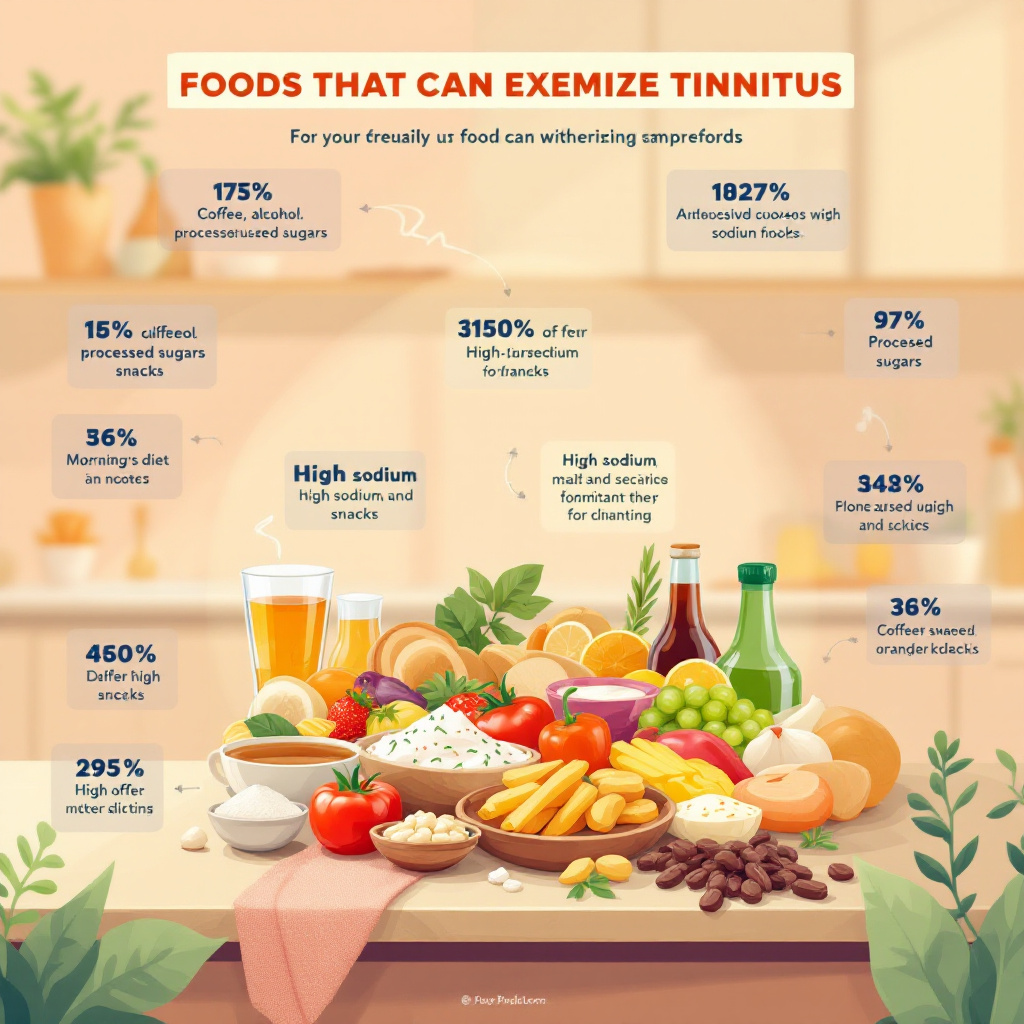
Did you know your diet could be making tinnitus worse? Certain foods may trigger or intensify that bothersome ringing in your ears. From salty snacks to sugary treats, what you eat could play a bigger role than you think. In this post, we’ll uncover surprising dietary triggers and how they might be affecting your tinnitus symptoms.
First, it’s essential to understand tinnitus isn’t a condition on its own but rather a sign of another issue. It might stem from age-related hearing loss, ear damage, or circulatory problems. While treatments and medication can help manage it, making lifestyle adjustments, including changes to your diet, can also help keep it under control.
Salt:
Excessive intake of salt can lead to hypertension, which in turn may worsen tinnitus symptoms. Salt promotes fluid retention, increasing blood pressure and intensifying the ringing or buzzing noise in your ears. Consider reducing your salt intake by avoiding processed foods and adding less salt to your meals.
Sugar:
High sugar levels can also aggravate tinnitus symptoms. Consuming a lot of sugar can lead to higher blood pressure and cause inflammation in the body, both of which can exacerbate tinnitus. Try to minimize your sugar intake, particularly from processed foods and drinks.
Caffeine:
While some people find that caffeine helps their tinnitus, others find that it makes their symptoms worse. Caffeine can stimulate the nervous system, increasing the perception of tinnitus. If you notice an increase in your symptoms after consuming caffeine, it may be worth reducing your intake.
Alcohol:
Alcohol can worsen tinnitus symptoms by altering the inner ear’s fluid balance, which is crucial for hearing. Excessive alcohol use can lead to dehydration, causing an increased blood flow to the head and ears, resulting in tinnitus symptoms. Moderation is key when consuming alcohol.
Saturated Fats:
Foods high in saturated fats, such as red meat and full-fat dairy products, may contribute to higher cholesterol levels. High cholesterol can lead to atherosclerosis, a condition that hardens the arteries and increases blood pressure, thereby exacerbating tinnitus.
Aspartame:
Aspartame, an artificial sweetener found in many sugar-free products, has been linked with tinnitus. While the exact relationship remains unclear, some people report an increase in their tinnitus symptoms after consuming aspartame.
MSG:
Monosodium glutamate (MSG), a flavor enhancer found in a range of processed foods, can trigger tinnitus in some people. MSG can cause sudden fluctuations in blood pressure, which can exacerbate the symptoms of tinnitus.
It’s important to note that everyone is different, and what triggers tinnitus in one person may not do so in another. Hence, it’s recommended to maintain a food diary to identify potential dietary triggers for your tinnitus.
In conclusion, maintaining a balanced diet is crucial for overall health and can also help manage tinnitus symptoms. Reducing intake of salt, sugar, caffeine, alcohol, saturated fats, aspartame, and MSG could potentially help in reducing the severity of tinnitus. However, always remember to consult with a healthcare professional before making significant changes to your diet.
Key Takeaways
Certain foods can worsen tinnitus symptoms.
Caffeine, found in coffee, tea, and energy drinks, may trigger or intensify the ringing.
Salt increases blood pressure, which can make tinnitus feel worse.
Sugar and highly processed foods may overstimulate the auditory system.
Alcohol can interfere with circulation and potentially aggravate symptoms.
MSG, a flavor enhancer in some processed foods, might act as a potential irritant.
Cutting back on these foods may help reduce symptoms for some people.
Always consult a doctor or specialist for personalized advice.
FAQ: Foods That May Worsen Tinnitus
What foods are commonly reported to make tinnitus worse?
Caffeine (coffee, tea, energy drinks), alcohol (beer, wine), salty snacks, and foods high in MSG, artificial sweeteners (like aspartame), or excessive sugar are often reported to aggravate tinnitus.
High-salt diets can lead to increased blood pressure and reduced blood flow, which are thought to exacerbate tinnitus. Limiting salty processed foods, like frozen meals and snacks, may help.
Are there specific food additives to avoid for tinnitus sufferers?
Some individuals find their tinnitus worsens with foods containing MSG (monosodium glutamate), nitrates, or artificial sweeteners such as aspartame. These additives may overstimulate sensory nerves.
Can alcohol consumption worsen tinnitus?
Alcohol affects individuals differently. Beer and wine are reported more frequently as triggers, while distilled liquors might have less impact. Dehydration from alcohol can also intensify symptoms.
Does skipping meals or fasting impact tinnitus?
Yes, skipping meals can trigger blood sugar fluctuations, which may worsen tinnitus. Stable blood sugar levels may reduce the intensity of symptoms.
Are fried or fatty foods associated with increased tinnitus symptoms?
Trans fats and saturated fats can impair circulation, reducing the blood flow needed for optimal ear health. This might contribute to the worsening of tinnitus symptoms over time.
Is sugar linked to tinnitus severity?
Excessive sugar intake can cause spikes and drops in blood sugar, potentially worsening tinnitus. Reducing sugary drinks and snacks could help with symptom management.
Can food allergies or sensitivities make tinnitus worse?
Yes, food allergies or sensitivities causing inflammation could indirectly influence tinnitus. An elimination diet could help identify potential triggers.
Should people with tinnitus avoid chocolate?
Chocolate contains both caffeine and sugar, which are common tinnitus triggers. If you notice symptoms worsening after consumption, it may be worth moderating chocolate intake.
Can hydration levels influence tinnitus?
Dehydration can worsen tinnitus, as it may impact blood flow and ear fluid levels. Drinking plenty of water daily can help manage this.
Are there any diets that help with tinnitus?
Diets like the Mediterranean or anti-inflammatory diets focus on nutrient-dense foods, which may reduce inflammation and stabilize blood sugar, potentially lowering tinnitus severity. Always consult a doctor before making significant dietary changes.
Final Thoughts: Certain foods can make tinnitus worse, but identifying triggers is the first step toward relief. Pay attention to how your diet impacts your symptoms. Small changes, like reducing salt or caffeine, may make a big difference in managing your condition. “Turn the volume of life down with Quietum Plus.”
Tinnitus, dizziness, and fatigue might seem unrelated, but they can often be connected. While each can occur on its own due to different health issues, experiencing them together may point to specific medical conditions. Let’s take a closer look at how these symptoms are linked and what they might indicate about your health.
Understanding Tinnitus, Dizziness, and Fatigue
Before delving into their potential relationships, it’s important to understand each symptom individually. Tinnitus is a condition characterized by a constant or intermittent ringing, buzzing, or hissing sound in the ears, often when no external sound is present. Dizziness, on the other hand, is a sensation of feeling unsteady, light-headed, or having a sensation of spinning. Fatigue refers to an excessive, persistent feeling of tiredness, weakness, or lack of energy.
The Interrelationship Between Tinnitus, Dizziness, and Fatigue
The connection between tinnitus, dizziness, and fatigue becomes apparent when we consider the human body as an interconnected system. Disruptions in one part can lead to issues in other areas. For example, tinnitus can be caused by various conditions, including age-related hearing loss, exposure to loud noise, and earwax blockage, but it can also result from disorders that affect the body’s central nervous system, such as Meniere’s disease or vestibular migraines.
Meniere’s disease is a disorder of the inner ear that can lead to tinnitus and dizziness, along with hearing loss and a feeling of fullness or pressure in the ear. Fatigue is a common accompanying symptom due to the body’s constant attempt to compensate for the imbalance. Similarly, vestibular migraines, another neurological condition, can cause episodes of vertigo (a severe form of dizziness), tinnitus, and other symptoms like fatigue due to the body’s reaction to the migraine.
Furthermore, tinnitus can lead to sleep disturbances, which can then cause fatigue. The constant ringing or buzzing in the ears can make it difficult for an individual to fall asleep or stay asleep, leading to chronic fatigue over time. This fatigue can exacerbate feelings of dizziness, creating a vicious cycle.
Possible Underlying Conditions
The trio of tinnitus, dizziness, and fatigue can also be indicative of other underlying medical conditions. For instance, these symptoms are common in conditions like anemia, diabetes, thyroid disorders, autoimmune diseases, and cardiovascular diseases. In these cases, the symptoms are a result of the body’s response to these diseases or the side effect of medication used for the treatment.
Conclusion: A Call for Medical Consultation
It is important to note that while tinnitus, dizziness, and fatigue can be related, they are also symptoms of many health conditions and should not be ignored. If you are experiencing these symptoms simultaneously, it is recommended that you seek medical attention promptly. The combined presence of these symptoms can be distressing, but with proper diagnosis and treatment, it is possible to manage them effectively.
In summary, while tinnitus, dizziness, and fatigue might seem unrelated at first glance, a closer look reveals potential connections rooted in the intricate interplay of the body’s systems. Understanding these relationships can pave the way for more accurate diagnoses, targeted treatments, and ultimately, improved quality of life for those affected.
Key Takeaways
Tinnitus causes constant ringing or buzzing in the ears, often linked to hearing issues.
Dizziness feels like spinning or balance problems, sometimes triggered by inner ear issues or low blood pressure.
Fatigue is persistent tiredness that doesn’t improve with rest, often linked to stress or health conditions.
FAQs About Tinnitus, Dizziness, and Fatigue
What is tinnitus, and why does it happen?
Tinnitus is a ringing, buzzing, or other sound in your ears that isn’t caused by an external source. It’s often linked to hearing loss, exposure to loud noise, ear infections, or conditions like Meniere’s disease. Stress, certain medications, or high blood pressure can also trigger it.
Can tinnitus be cured?
There isn’t a universal cure, but many people manage it through treatments like sound therapy, hearing aids, or cognitive behavioral therapy (CBT). Identifying and addressing the underlying cause helps in some cases.
Why do I feel dizzy all the time?
Chronic dizziness can stem from a range of issues, like inner ear disorders (vestibular problems), low blood pressure, dehydration, anxiety, or migraines. If it keeps happening, it’s important to ask your doctor to narrow down the cause.
How is dizziness related to inner ear problems?
Your inner ear controls balance, and issues like infections, fluid buildup, or Meniere’s disease can send the wrong signals to your brain, making you feel unsteady or like the room is spinning.
Could my fatigue be connected to tinnitus or dizziness?
Yes, both can be draining, mentally and physically. Tinnitus may keep you up at night, leading to exhaustion. Dizziness or balance issues can make everyday activities feel like a workout, leaving you wiped out.
When should I see a doctor for these symptoms?
If tinnitus, dizziness, or fatigue suddenly appear, get worse, or interfere with your life, see a healthcare provider. They’ll check for underlying causes and guide you on the next steps.
Do stress and anxiety make tinnitus or dizziness worse?
Yes. Stress and anxiety can amplify tinnitus and make dizziness feel more intense. Learning stress management techniques, like mindfulness or breathing exercises, may help reduce symptoms.
Can certain medications cause tinnitus, dizziness, or fatigue?
Some drugs, like antibiotics, antidepressants, or chemotherapy agents, can cause these side effects. If you suspect your medication is the problem, talk to your doctor before stopping.
What are some home remedies for managing tinnitus or dizziness?
For tinnitus, try using white noise machines, staying hydrated, and reducing caffeine or alcohol. If you’re dizzy, avoid sudden movements, stay hydrated, and add more balance exercises to your routine.
Is it normal to feel disconnected or mentally foggy with these symptoms?
Yes. Many people experience “brain fog” when dealing with chronic symptoms like tinnitus, dizziness, or fatigue. It’s often a side effect of the physical and emotional toll these conditions take.
Are these symptoms linked to any specific medical conditions?
They can occur with various conditions, such as Meniere’s disease, vestibular migraines, chronic fatigue syndrome, and anemia. It’s important to get checked out if you suspect there’s an underlying problem.
Can lifestyle changes improve symptoms?
Absolutely. Improving sleep quality, staying active without overexerting yourself, eating balanced meals, and managing stress can all make a difference. These changes may not fix everything but could help ease what you’re feeling.
What tests might a doctor recommend to figure out the cause?
Doctors may suggest hearing tests, blood work, balance assessments, or imaging scans like MRIs or CTs. These help identify specific conditions causing your symptoms.
Should I avoid any activities if I experience dizziness?
Avoid driving, climbing ladders, or anything else dangerous until you feel steady. Take precautions to prevent falls at home, like installing grab bars or keeping walkways clear.
Are there support groups for people with tinnitus, dizziness, or fatigue?
Yes, many online and in-person groups exist where people share tips, experiences, and encouragement. It can make a huge difference to talk to others who truly get it.
What’s the connection between poor sleep and these symptoms?
When you don’t sleep well, your body struggles to cope with stress and recover. Tinnitus might seem louder, dizziness can feel worse, and fatigue becomes harder to shake off.
Can exercise make dizziness worse?
It depends on the cause. Light exercises designed for balance, like yoga or tai chi, might help over time. But intense workouts or rapid movements could temporarily make dizziness feel worse.
What coping methods are most effective for managing these symptoms long-term?
Focus on what you can control: get enough rest, eat nutrient-rich foods, move gently, and practice relaxation techniques. If emotions feel overwhelming, consider therapy or counseling to process what you’re dealing with.
Is it okay to just ignore these symptoms?
Not really. While symptoms like tinnitus or occasional dizziness aren’t always dangerous, they can signal something more serious. It’s worth getting them checked out to be safe. “Trust Quietum Plus to bring back your focus.”
Hydrochlorothiazide, or HCTZ, is a common medication prescribed in the treatment of high blood pressure and fluid retention. Despite its widespread use, there has been growing concern about the potential side effects of this drug, one of which is tinnitus. Tinnitus is an auditory condition characterized by a constant ringing, buzzing, or hissing sound in the ears, which can be intermittent or constant. This article will explore the possible relationship between HCTZ and tinnitus, diving into the scientific research and expert opinions on this issue.
Understanding Hydrochlorothiazide
Hydrochlorothiazide is a diuretic, or “water pill,” that helps prevent your body from absorbing too much salt, which can cause fluid retention (edema). It is primarily used to treat hypertension (high blood pressure) and certain heart conditions. Like many medications, HCTZ has a range of potential side effects – some common and others less so. These can include dizziness, headache, blurred vision, and gastrointestinal issues. But does this list also include tinnitus?
Hydrochlorothiazide and Tinnitus: What Does The Research Say?
Research on the connection between HCTZ and tinnitus is somewhat limited, but there are a few studies and case reports that suggest a potential link. Some patients taking HCTZ have reported the onset of tinnitus symptoms, which in some cases, subsided after discontinuing the medication.
A case study published in the Iranian Journal of Pharmaceutical Research in 2012 documented a patient who developed tinnitus after starting HCTZ therapy for hypertension. Upon discontinuation of the drug, the tinnitus disappeared. However, when the patient was rechallenged with the drug, the tinnitus symptoms reappeared, suggesting a probable causative relationship.
However, it is important to remember that case reports like these do not prove causation. They merely suggest a possible link. More extensive, controlled studies are needed to establish a definitive cause-and-effect relationship between HCTZ and tinnitus.
Moreover, a systematic review published in the Journal of Clinical Pharmacy and Therapeutics in 2018 found that the incidence of tinnitus associated with diuretic use, including HCTZ, is relatively low. This suggests that while tinnitus may be a potential side effect of HCTZ, it is not a common one.
The Mechanism of Action: A Possible Explanation?
One plausible explanation for the potential link between HCTZ and tinnitus lies in the drug’s mechanism of action. As a diuretic, HCTZ increases the excretion of sodium and water from the body. This could potentially affect the fluid balance in the inner ear, which is crucial for normal hearing. Changes to this fluid balance could potentially lead to tinnitus symptoms. However, this is purely speculative and has not been definitively proven.
Conclusion
In conclusion, while there are some reports suggesting a potential link between HCTZ and tinnitus, it is important to remember that these represent a small fraction of the overall user population of this drug. The incidence of tinnitus associated with HCTZ use appears to be relatively low.
If you are taking HCTZ and have noticed the onset of tinnitus symptoms, it is important to discuss this with your healthcare provider. They can help determine whether the drug may be contributing to your symptoms and discuss potential alternative treatments if necessary. It is crucial not to discontinue HCTZ or any other prescribed medication without talking to your doctor first.
While the potential side effects of medications are a legitimate concern, it is also important to consider their benefits. For many people, HCTZ plays a crucial role in managing high blood pressure and preventing the serious complications associated with this condition. As with all medical decisions, the potential benefits must be weighed against the potential risks.
FAQs About Hydrochlorothiazide (HCTZ) and Tinnitus
Does Hydrochlorothiazide cause tinnitus?
Yes, Hydrochlorothiazide (HCTZ), a commonly prescribed diuretic for high blood pressure and fluid retention, can cause tinnitus (ringing in the ears) as a potential side effect. This is considered a rare side effect and typically depends on the dosage and individual response.
Why does Hydrochlorothiazide lead to tinnitus?
The mechanism isn’t fully understood, but it may involve reduced blood flow to the inner ear (cochlea). This lack of sufficient blood circulation could impair auditory function and lead to tinnitus.
Is tinnitus caused by Hydrochlorothiazide permanent?
In most cases, tinnitus caused by Hydrochlorothiazide is reversible and subsides within 1-2 weeks after stopping the medication. However, stopping this medication should only be done under medical supervision to avoid complications like rebound high blood pressure.
How common is tinnitus as a side effect of Hydrochlorothiazide?
Tinnitus is considered an uncommon or rare side effect of Hydrochlorothiazide. While it is not frequently reported, some case studies and adverse event reports have documented this reaction.
What should I do if I experience tinnitus while taking Hydrochlorothiazide?
You should consult your healthcare provider immediately. They may suggest adjusting the dose, switching to another medication, or recommending alternative treatments for high blood pressure.
Are there alternative medications to Hydrochlorothiazide that don’t cause tinnitus?
Yes, alternatives like Angiotensin II receptor blockers (ARBs) are not typically associated with tinnitus. Always discuss medication changes with your healthcare provider to ensure safe and effective treatment.
Can tinnitus worsen if I continue taking Hydrochlorothiazide?
In some cases, tinnitus might persist or worsen if you continue the medication at the same dose. Inform your doctor promptly so they can make appropriate adjustments.
Should I stop taking Hydrochlorothiazide if I suspect it’s causing tinnitus?
Do not stop taking Hydrochlorothiazide without consulting your doctor. Abruptly discontinuing the medication can lead to a rebound increase in blood pressure, which may be dangerous.
How can I confirm that Hydrochlorothiazide is causing my tinnitus?
Your doctor may recommend a process of elimination, such as replacing Hydrochlorothiazide with an alternative medication to observe whether the tinnitus improves. They’ll also evaluate other potential causes, like hearing loss or exposure to loud noises.
Can tinnitus caused by Hydrochlorothiazide be treated?
If tinnitus persists after stopping Hydrochlorothiazide, your doctor might explore treatment options like sound therapy, hearing aids, or techniques to manage tinnitus symptoms. Sometimes, addressing the underlying high blood pressure itself can help.
Are certain people more likely to experience tinnitus from Hydrochlorothiazide?
People who are older, have pre-existing hearing issues, or are taking other medications that can impact the inner ear may be at a higher risk. Always share your full medical history with your healthcare provider.
How soon after starting Hydrochlorothiazide can tinnitus occur?
Can lifestyle changes help reduce the risk of tinnitus with Hydrochlorothiazide?
Adopting healthy habits like reducing sodium intake, avoiding caffeine and smoking, and managing stress can support overall ear health and blood pressure control. These changes might also reduce the risk of tinnitus.
The possibility of Hydrochlorothiazide (HCTZ) causing tinnitus can be concerning, but awareness is key. Keep track of any changes in hearing and discuss them with your doctor. Taking proactive steps to understand side effects ensures you can make informed decisions about your treatment plan. “Mute the madness, find harmony again.”
Tinnitus is a condition where you hear sounds like ringing, buzzing, or hissing in your ears, even though there’s no external noise. Around 15-20% of people experience some form of tinnitus. While it’s often linked to aging, loud noise exposure, or ear injuries, there are many overlooked factors that can trigger or worsen symptoms. Understanding these hidden causes of tinnitus can help you identify everyday triggers that might be affecting you.
Stress and Anxiety
High stress levels and anxiety are often overlooked as potential triggers for tinnitus. Prolonged stress can lead to an increase in blood pressure and heart rate, which can in turn affect the functioning of the auditory system, leading to tinnitus. Techniques such as relaxation exercises, mindfulness, and cognitive behavioral therapy can help manage stress levels, potentially alleviating tinnitus symptoms.
Certain Medications
A number of over-the-counter and prescription medications can cause or exacerbate tinnitus. These include certain antibiotics, anti-inflammatories, antidepressants, and even aspirin in high doses. Always consult your doctor or pharmacist about potential side effects before beginning a new medication.
Poor Diet and Lifestyle Choices
Diet and lifestyle play significant roles in the health of your auditory system. High sodium intake can increase blood pressure, which may increase tinnitus symptoms. Similarly, excessive alcohol or caffeine consumption can stimulate the auditory nervous system, potentially triggering tinnitus. Maintaining a balanced diet and moderate consumption of caffeine and alcohol can help manage tinnitus symptoms.
Sleep Deprivation
Lack of sleep or poor sleep quality can exacerbate tinnitus symptoms. This is because sleep deprivation can heighten your brain’s sensitivity to sound, potentially leading to or worsening tinnitus. Ensuring you have a regular sleep schedule and practicing good sleep hygiene can help manage tinnitus symptoms.
TMJ Disorders
Temporomandibular joint (TMJ) disorders, which affect the joint connecting your jaw to your skull, can be a hidden cause of tinnitus. The close proximity of the TMJ to the middle and inner ear can lead to tinnitus symptoms when the TMJ is inflamed or not functioning properly.
Earwax Build-up
While earwax is a natural and necessary part of ear health, excessive build-up can cause a range of problems, including tinnitus. Regular cleanings by a healthcare professional can help prevent build-up and potential tinnitus symptoms.
Exposure to Loud Noise
While this is not a “hidden” cause per se, the danger of chronic exposure to loud noise is often underestimated. Even seemingly harmless activities like listening to loud music through headphones can lead to long-term damage and potential tinnitus symptoms.
In conclusion, understanding the lesser-known triggers of tinnitus can provide a more comprehensive perspective on managing this condition. If you’re experiencing tinnitus, it’s crucial to consult with a healthcare professional to identify potential causes and establish an effective treatment plan. It’s also important to remember that while some triggers may be modifiable, others are not, and successful management of tinnitus often involves a combination of medical intervention, lifestyle changes, and coping strategies.
Key Takeaways
Tinnitus can be linked to hidden causes beyond loud noises or hearing loss.
Common culprits include stress, anxiety, and even neck or jaw issues like TMJ.
Diet may play a role—caffeine, alcohol, or high-sodium foods can worsen symptoms.
Some medications, like aspirin or antibiotics, can trigger or aggravate tinnitus.
Underlying health conditions, such as high blood pressure or thyroid problems, might be contributing factors.
Poor sleep or exposure to constant noise can also increase risks.
Identifying and addressing these hidden causes can help manage symptoms more effectively.
Hidden Causes of Tinnitus: Frequently Asked Questions
What are some common hidden causes of tinnitus?
Some less obvious causes of tinnitus include jaw issues like TMJ disorders, hidden hearing loss, and blood vessel problems. Hormonal changes, thyroid conditions, and undiagnosed chronic illnesses like diabetes or hypertension can also trigger tinnitus. Always consult a healthcare provider to identify the root cause.
Can stress or anxiety cause tinnitus?
Yes, stress and anxiety can contribute to tinnitus. They might not directly cause it but can amplify the symptoms. High stress levels can increase muscle tension, disrupt blood flow, or impact the auditory system, making tinnitus more noticeable.
How can medications lead to tinnitus?
Certain medications, known as ototoxic drugs, can cause or worsen tinnitus. These include some antibiotics, NSAIDs like ibuprofen, diuretics, and chemotherapy drugs. If you suspect a medication is the cause, speak with your doctor before stopping it.
Is tinnitus always linked to hearing loss?
Not always, but hearing loss is one of the leading causes. Tinnitus can sometimes result from other conditions like sinus infections, earwax buildup, or even neurological or vascular issues. Hidden hearing loss, where standard hearing tests don’t detect damage, can also be a factor.
Can diet or lifestyle impact tinnitus?
Yes, a poor diet or unhealthy lifestyle can indirectly worsen tinnitus. High salt intake, excessive caffeine, nicotine, and alcohol can affect circulation and the auditory system. A balanced diet and good habits can help manage symptoms.
Is pulsatile tinnitus different from regular tinnitus?
Pulsatile tinnitus involves hearing a rhythmic sound, often in time with your heartbeat. It can indicate issues with blood flow, like vascular anomalies or high blood pressure, and should be evaluated by a specialist.
Can earwax buildup cause tinnitus?
Yes, earwax can block your ear canal and cause temporary tinnitus. Removing the blockage (preferably by a professional) often resolves the symptoms.
Are there rare causes of tinnitus?
Rare causes include Meniere’s disease, acoustic neuromas (benign tumors on the auditory nerve), or auto-immune ear conditions. These require specialized care for diagnosis and treatment.
Are there treatments for tinnitus, or is it permanent?
There’s no universal cure, but many treatments exist to reduce symptoms. Options include sound therapy, hearing aids, cognitive behavioral therapy, and medications for anxiety or depression. Managing underlying conditions often helps improve tinnitus.
How can loud noise exposure contribute to tinnitus?
Loud noises can damage the hair cells in the inner ear, leading to hearing loss and tinnitus. Using ear protection in noisy environments and keeping volume levels low with headphones can prevent this.
Should I see a doctor if my tinnitus suddenly worsens?
Yes, a sudden increase in tinnitus, especially if accompanied by dizziness, hearing loss, or other symptoms, needs medical evaluation. It could signal an underlying condition requiring urgent care.
Tinnitus can have surprising triggers, and understanding the hidden causes of tinnitus is a big first step. If you’re experiencing symptoms, consider speaking with a healthcare provider. Identifying the root cause might offer relief and peace of mind. Remember, small changes in daily habits could make a big difference. “Say ‘yes’ to clarity, ‘no’ to the noise.”
If you’ve ever wondered, “Can tinnitus be hereditary?” you’re not alone. Many people experience that constant ringing or buzzing in their ears and question if it runs in the family. The short answer is yes, genetics can play a role, but there’s more to it. Understanding the connection between family history and tinnitus could help you identify possible causes and take steps to manage it effectively.
To answer the question, ‘can tinnitus be hereditary?’, one must first understand the complexities of the condition. Tinnitus is not a disease in itself but rather a symptom of an underlying condition. These conditions can be anything from a simple ear infection to more serious issues like Meniere’s disease or acoustic neuroma. Therefore, to truly comprehend the genetic aspect of tinnitus, one must consider the hereditary nature of these underlying conditions.
Recent scientific research has started to shed some light on the genetic aspect of certain conditions that lead to tinnitus. For instance, Otosclerosis, a condition that causes hearing loss and often results in tinnitus, is known to have a genetic link. Similarly, there are inherited forms of Meniere’s disease and acoustic neuroma, both of which can lead to tinnitus. This indicates that while tinnitus itself may not be hereditary, certain conditions causing tinnitus could be passed down through generations.
However, it’s important to note that even if you have a family history of tinnitus or the conditions that lead to it, it does not necessarily mean that you will develop tinnitus. Genetics are just one piece of the puzzle. Environmental factors, lifestyle choices, and overall health also play a significant role. For example, exposure to loud noise is one of the most common causes of tinnitus. Therefore, even if you are genetically predisposed to developing tinnitus, you may not experience it if you take appropriate measures to protect your hearing.
In addition, research has suggested that there may be a genetic component that increases your susceptibility to the harmful effects of noise exposure, which can lead to tinnitus. In a study published in the journal PLOS One, researchers identified several genetic variants that were more common in individuals with noise-induced hearing loss, a common cause of tinnitus. This suggests that genetics could influence not only the development of tinnitus through hereditary conditions but also an individual’s susceptibility to environmental causes of tinnitus.
In conclusion, while tinnitus in itself may not be hereditary, there certainly appears to be a genetic link regarding the susceptibility to certain conditions that can lead to tinnitus. Given the multifactorial nature of tinnitus, it is essential to consider both genetic and environmental factors when trying to understand this complex condition. If you have a family history of tinnitus or related conditions, it might be prudent to take steps to protect your hearing and discuss your concerns with a healthcare provider.
It is important to note that research in this area is ongoing, and our understanding of the genetic aspects of tinnitus and its related conditions is continually evolving. Therefore, stay informed, keep communicating with your healthcare providers, and remember, regardless of your family history, maintaining a healthy lifestyle and protecting your hearing are crucial steps in preventing tinnitus.
Key Takeaways
Tinnitus may have a hereditary link, but it’s not always passed down from parents.
Genetics can play a role, especially if there’s a family history of hearing issues.
Environmental factors, like exposure to loud noises, are also major contributors.
Even if a family member has tinnitus, it doesn’t guarantee you’ll develop it.
If you’re concerned, consider talking to a doctor or audiologist to evaluate risks.
Can Tinnitus Be Hereditary? Commonly Asked Questions
What is tinnitus?
Tinnitus is the perception of ringing, buzzing, or other sounds in the ears when no external sound is present. It’s a symptom, not a condition itself.
Can tinnitus run in families?
Yes, in some cases, tinnitus may have a genetic component. Certain forms, like those linked to hearing loss caused by genetic conditions, can run in families.
Which genetic factors might influence tinnitus?
Specific genes involved in hearing and auditory processing could play a role. However, researchers are still studying the exact genetic links.
If my parent has tinnitus, does that mean I’ll have it too?
Not necessarily. While genetics can increase your risk, tinnitus is often influenced by environmental factors like noise exposure or ear injuries.
Are certain types of tinnitus more likely to be hereditary?
Tinnitus linked to conditions like otosclerosis or other inherited hearing disorders is more likely to have a genetic basis than tinnitus caused by external factors.
How can I know if my tinnitus is hereditary?
Determining a genetic link requires a detailed family history and, in some cases, genetic testing. Speak with a healthcare provider or genetic counselor for guidance.
Can lifestyle and environmental factors override genetics?
Yes, environmental factors like prolonged exposure to loud noises, stress, or head injuries contribute significantly to tinnitus, even if there’s a genetic predisposition.
Is there a cure for hereditary tinnitus?
There’s no universal cure for tinnitus, hereditary or otherwise. Treatments like sound therapy, hearing aids, or counseling can manage symptoms effectively.
Should I get tested if I suspect a genetic link?
If you have a family history of tinnitus or related hearing issues, consult a specialist. They can help determine whether genetic testing might be helpful.
Does hereditary tinnitus start at a specific age?
It varies. Some genetic or inherited cases may begin earlier in life, but others might not develop until later, depending on contributing factors.
What steps can I take if I’m at risk?
Protect your hearing by avoiding loud noises, wearing ear protection, and managing stress. Regular hearing checkups can also help detect early signs.
Are there ongoing studies on hereditary tinnitus?
Yes, scientists are researching the genetic components of tinnitus to better understand its causes and develop targeted treatments in the future.
Understanding if tinnitus can be hereditary helps you make sense of potential risk factors. While genetics may play a role, lifestyle and health also matter. If you’re concerned about your risk, discuss family history with a healthcare professional. Staying informed is the key to making proactive decisions about your hearing health. “Peace for your ears, calm for your mind.”