


Home

  • Tinnitus can feel overwhelming, but there are ways to reduce tinnitus symptoms. From lifestyle changes to therapies, understanding what works is key. This guide will give you evidence-based strategies to reduce tinnitus symptoms, helping you regain a sense of control and calm in your daily routine.

    1. Mindful Meditation: Chronic tinnitus can increase stress levels, which, in turn, can worsen symptoms. Mindful meditation can help manage stress, promote relaxation, and improve overall wellbeing. It allows individuals to focus on the present moment, thereby reducing their focus on the intrusive tinnitus noises.
    2. Sound Therapy: The use of background noise, such as white noise or relaxation tracks can help to mask the symptoms of tinnitus. Sound therapy can be particularly beneficial at night when symptoms might seem more pronounced due to the quiet environment.
    3. Healthy Eating: Certain foods and drinks, like caffeine and salt, can exacerbate tinnitus symptoms. Maintaining a balanced, nutritious diet and staying hydrated can help reduce these symptoms. Some studies suggest that foods rich in zinc, such as oysters and cashews, may be beneficial for tinnitus sufferers.
    4. Regular Exercise: Physical activity increases blood flow to all parts of the body, including the ears. This can help reduce tinnitus symptoms. However, it’s crucial not to over-exert oneself, as excessive exercise can lead to increased blood pressure, potentially worsening tinnitus symptoms.
    5. Limiting Alcohol and Nicotine: Both alcohol and nicotine can worsen tinnitus symptoms by constricting blood vessels and impacting the blood flow to your ears. Limiting the consumption of these substances can aid in reducing tinnitus symptoms.
    6. Avoiding Loud Noises: Exposure to loud sounds can cause temporary or permanent tinnitus. Wearing ear protection in noisy environments and keeping the volume at a safe level when using headphones can help prevent symptom exacerbation.
    7. Regular Ear Check-ups: Regular visits to an audiologist or an ear, nose, and throat specialist can help detect any changes in your condition early and adjust your treatment plan accordingly.
    8. Good Sleep Hygiene: Lack of sleep or poor sleep quality can intensify tinnitus symptoms. Ensuring you maintain a regular sleep schedule, creating a quiet, dark sleeping environment, and avoiding screens before bedtime can improve sleep quality and potentially decrease tinnitus symptoms.
    9. Cognitive-Behavioral Therapy (CBT): While this might not be an everyday habit, regular CBT sessions can help you manage your reaction to tinnitus, reducing the perceived volume and impact on your life.
    10. Mindful Breathing: Practicing deep, mindful breathing techniques can help reduce stress levels and divert attention away from tinnitus sounds. This can be particularly useful when trying to fall asleep or when symptoms increase suddenly.

    In conclusion, while tinnitus can be challenging to live with, integrating these everyday habits into your routine can help manage symptoms and improve your quality of life. It’s important to remember that what works for one person might not work for another. Therefore, exploring different strategies and maintaining open communication with your healthcare provider is crucial in finding the most effective methods for you. While these habits can minimize tinnitus symptoms, they are not a substitute for professional medical advice or treatment. If you suffer from tinnitus, consult with a healthcare professional to create a personalized treatment plan.

    Key Takeaways

    • Lifestyle changes: Reduce stress, improve sleep quality, and limit exposure to loud noises to help manage symptoms.
    • Diet adjustments: Minimize caffeine, alcohol, and nicotine, as they may worsen symptoms for some people.
    • Sound therapy: Use background noise, such as white noise machines or calming music, to mask ringing or buzzing.
    • Medical consultation: Visit a healthcare provider to rule out underlying conditions, such as ear infections or hearing loss.
    • Hearing aids: Consider hearing aids if tinnitus is linked to hearing loss.
    • Cognitive behavioral therapy (CBT): Seek therapy to address the emotional impact of tinnitus and improve coping strategies.
    • Avoid triggers: Identify and avoid factors that make symptoms worse, like certain medications or environments.
    • Physical health: Stay active and maintain overall health, as this may reduce symptoms over time.

    Managing Tinnitus Symptoms: Frequently Asked Questions

    What causes tinnitus?

    Tinnitus can result from a variety of triggers, including prolonged exposure to loud noise, hearing loss, ear infections, or even head injuries. It may also occur due to certain medications, underlying health conditions like high blood pressure, or stress. Identifying the cause can help in managing the symptoms more effectively.

    Can tinnitus be cured?

    In many cases, tinnitus can’t be completely cured, especially if it’s linked to permanent damage in the ear. However, various treatments are available to reduce its impact. Sound therapy, cognitive behavioral therapy (CBT), and hearing aids are common approaches to help manage symptoms.

    Does stress worsen tinnitus?

    Yes, stress and anxiety can increase the intensity of tinnitus. The body’s stress response may make the ringing or buzzing sound more noticeable. Relaxation techniques like meditation, yoga, or breathing exercises can help reduce stress and ease symptoms.

    Are there dietary changes that help with tinnitus?

    Some people find that reducing caffeine, alcohol, or sodium improves their symptoms. While no specific diet guarantees relief, maintaining a balanced diet and staying hydrated supports overall health, which might reduce the intensity of tinnitus for some.

    Is tinnitus always a sign of hearing loss?

    Not always. While tinnitus often occurs alongside hearing loss, it can also appear in people with normal hearing. Other factors, like ear infections, injuries, or certain medications, may lead to tinnitus without affecting hearing.

    How can sound therapy help with tinnitus?

    Sound therapy uses background noises, like white noise, nature sounds, or specially designed tones, to mask or distract from tinnitus. It can make the ringing less noticeable, helping improve focus and sleep. Many people use sound machines or smartphone apps for this purpose.

    Should I see a doctor for tinnitus?

    If your tinnitus is persistent, worsening, or affecting your quality of life, it’s important to see a healthcare provider. They can rule out any underlying issues, such as earwax buildup, infections, or other medical conditions, and recommend appropriate treatment.

    Can hearing aids help with tinnitus?

    Yes, hearing aids can be effective for tinnitus, especially when there is hearing loss. They amplify external sounds, which can make the internal ringing less prominent. Some hearing aids also come with built-in sound masking features.

    What lifestyle changes may reduce tinnitus symptoms?

    Limiting exposure to loud noises, managing stress, and maintaining a healthy lifestyle can help. Regular exercise, good sleep hygiene, and avoiding smoking or heavy alcohol use may also have a positive impact.

    Does tinnitus ever go away on its own?

    In some cases, tinnitus resolves on its own, especially if it’s caused by temporary conditions like exposure to loud noise or mild ear infections. However, if it persists for weeks or interferes with daily life, it’s important to seek professional advice.

    Can medication make tinnitus worse?

    Yes, certain medications, such as aspirin, antibiotics, or some diuretics, can worsen or trigger tinnitus. If you suspect a medication is affecting your symptoms, consult your doctor. Don’t stop taking prescribed medication without medical guidance.

    How can I sleep better with tinnitus?

    Creating a calming bedtime routine and using white noise or sound machines can make tinnitus less disruptive. Avoid caffeine and heavy meals before bed, and practice relaxation techniques to help you fall asleep more easily.

    Is tinnitus affected by age?

    Tinnitus becomes more common with age, partly due to age-related hearing loss or changes in the auditory system. However, people of all ages can experience it, depending on other contributing factors like noise exposure or health conditions.

    Are there support groups for tinnitus sufferers?

    Yes, many organizations and online communities offer support for people living with tinnitus. Sharing experiences with others who understand can help you feel less isolated and provide tips for managing the condition.

    Can exercise help reduce tinnitus?

    Exercise supports overall health, which can have a positive effect on tinnitus. It improves blood circulation, reduces stress, and promotes better sleep, all of which may help lower the intensity of symptoms.

    Are there devices specifically designed for tinnitus?

    Yes, in addition to hearing aids, there are wearable sound generators and tinnitus maskers. These devices produce low-level background noise that can blend with or mask the sound of tinnitus. A specialist can help you determine if one of these options is right for you.


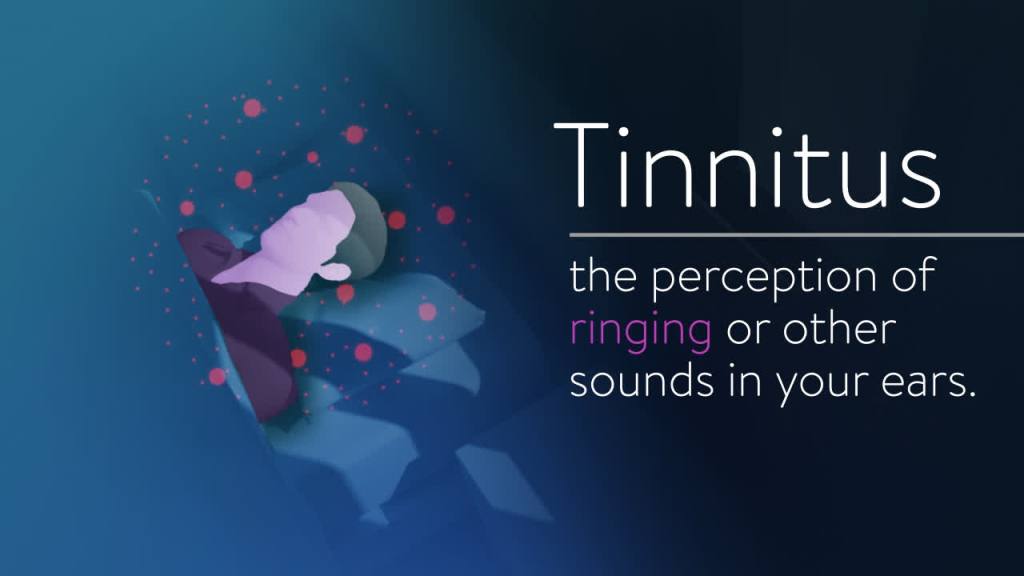
  • In the realm of medical literature, tinnitus is typically defined as the perception of noise or ringing in the ears. This condition is not a disease in itself but rather a symptom of an underlying health ailment, which could range from age-related hearing loss, circulatory system disorder, or merely an ear injury. However, one question often posed by patients and healthcare providers alike is, “Can tinnitus be a side effect of medication?” The answer is a resounding yes. Many medications have been found to cause or exacerbate tinnitus, transforming this often overlooked query into a topic worthy of further exploration.

    Medications That Can Cause Tinnitus

    There are numerous medications, both prescription and over-the-counter, that can cause or worsen tinnitus. These are typically referred to as “ototoxic” drugs, meaning harmful to the ear. Some common ototoxic medications include:

    1. Nonsteroidal anti-inflammatory drugs (NSAIDs): Commonly used for pain relief, NSAIDs like ibuprofen and naproxen can sometimes cause tinnitus and other auditory issues.
    2. Antibiotics: Certain antibiotics, particularly aminoglycosides like gentamicin, can cause damage to the inner ear, leading to tinnitus.
    3. Antidepressants: Some types of antidepressants have been linked with tinnitus. These include tricyclic antidepressants and selective serotonin reuptake inhibitors (SSRIs).
    4. Diuretics: Used to treat high blood pressure and heart disease, loop diuretics can cause tinnitus in some patients.
    5. Chemotherapy Drugs: Certain chemotherapy drugs, such as cisplatin, can also cause tinnitus.
    6. Aspirin: High doses of aspirin (usually 12 or more a day) can cause tinnitus. However, this is usually temporary and resolves once the medication is stopped.

    It is essential to note that the risk of developing tinnitus due to medication varies from person to person and depends on factors like medication dosage, length of treatment, and individual sensitivity.

    Tinnitus as a Side Effect: What Happens?

    When tinnitus is a side effect of medication, it can occur in various ways. The drug might cause changes in the cochlea – the part of the inner ear responsible for sending sound signals to the brain. This can result in a sensory misinterpretation, causing the ringing or buzzing sound associated with tinnitus. Alternatively, the medication might cause changes in blood flow to the ear, leading to or worsening tinnitus.

    Management of Medication-Induced Tinnitus

    If you suspect that your medication is causing or worsening your tinnitus, it’s crucial not to stop taking the medication without consulting a healthcare professional. Abruptly stopping certain medications can lead to serious health consequences. Instead, discuss your concerns with your healthcare provider. They may be able to adjust your dosage or switch you to a different medication.

    In some instances, tinnitus disappears once the medication is discontinued or the dosage is adjusted. However, if the tinnitus continues, other treatments may be explored. These can include sound therapy, cognitive-behavioral therapy (CBT), tinnitus retraining therapy (TRT), or the use of hearing aids.

    Conclusion

    In conclusion, tinnitus can indeed be a side effect of certain medications. If you’re experiencing tinnitus and are concerned that it might be due to your medication, it’s essential to discuss this with your healthcare provider. They can provide you with advice tailored to your specific situation and ensure your overall health is being managed effectively. Remember, never make changes to your medication regimen without professional medical advice.

    FAQ’s: Can Medication Cause Tinnitus? What You Need to Know

    What is tinnitus, and how does it happen?

    Tinnitus is when you hear ringing, buzzing, or other sounds that don’t come from an outside source. People often describe it as hearing a sound that seems to originate in your ears or head. It might be triggered by many factors, including hearing loss, noise exposure, or certain medications. Essentially, it’s your brain’s way of trying to compensate for missing input or reacting to something that’s upsetting your auditory system.

    Which medications are commonly linked to tinnitus?

    Some medications can potentially cause tinnitus or make it worse. These include:

    • Nonsteroidal anti-inflammatory drugs (NSAIDs) like ibuprofen or aspirin, especially in high doses.
    • Antibiotics, particularly certain aminoglycosides.
    • Loop diuretics often used for heart or kidney conditions.
    • Chemotherapy drugs, such as cisplatin.
    • Antidepressants, like some selective serotonin reuptake inhibitors (SSRIs).
    • Quinine-based drugs, sometimes used for malaria or leg cramps.

    The effects depend on the dose, the frequency, and your unique reaction to the medication.

    Could my medication permanently damage my hearing?

    Some drugs are ototoxic, meaning they can harm your ears and cause hearing problems, sometimes including tinnitus. While not all cases are permanent, the damage can be lasting, especially if you continue taking the medication after noticing symptoms. If you’re concerned, talk to your doctor right away. It’s essential not to stop any medications without medical advice.

    How can I know if my tinnitus is caused by medication?

    If your tinnitus started or got worse after starting a new medication, that’s a possible clue. Keep track of when the symptoms began and compare it to when you began treatment. Discuss this information with your doctor or pharmacist—they can review your medications and determine if there’s a connection.

    Should I stop taking my medication if it’s causing tinnitus?

    Never stop taking prescribed medication without consulting your doctor first. While the connection might seem obvious to you, your doctor can help confirm whether the medication is the cause or if there’s another explanation. They may adjust the dose, switch your medication, or suggest other treatments to manage the tinnitus.

    Can over-the-counter drugs cause tinnitus?

    Yes, some over-the-counter medications can trigger tinnitus, especially when used in high doses. Common culprits include:

    • Aspirin, particularly in doses higher than 12 tablets a day.
    • Ibuprofen and similar NSAIDs.
    • Certain cold or allergy medicines containing decongestants.

    Always use these medications as directed, and consult your pharmacist if you’re unsure about the risks.

    Is tinnitus from medication temporary or permanent?

    It depends. For some people, tinnitus fades once they stop taking the medication or reduce the dose. However, in cases of significant ototoxic damage, the effects could be long-lasting or even permanent. Early intervention is key to reducing the risk of any lasting impact.

    Are there treatments if medication-induced tinnitus doesn’t go away?

    Yes, there are ways to manage persistent tinnitus. Treatments include:

    • Sound therapy, like masking devices or white noise machines.
    • Cognitive-behavioral therapy (CBT) to help change your response to the tinnitus.
    • Medications or supplements that specifically target tinnitus symptoms (though effectiveness can vary).
    • Hearing aids, especially if hearing loss is part of the problem.

    You’re not alone—many people find ways to cope with or reduce their tinnitus over time.

    What should I ask my doctor if I think my medication causes tinnitus?

    Here are a few questions you can bring to your doctor:

    • Could this medication be causing my tinnitus?
    • Are there alternative medications I could take instead?
    • What are the risks of stopping or reducing my current medication?
    • Should I see a specialist, like an audiologist or ENT doctor?
    • Are there ways to protect my hearing while taking this medicine?

    It’s always better to have a conversation and weigh the risks and benefits together.

    Can tinnitus happen even if I’ve taken the same medication for years?

    Yes, even if you’ve been on a particular medication for a while, tinnitus could still develop. Your body might react differently over time due to changes in your overall health, hearing, or the cumulative effects of the drug. If this happens, don’t hesitate to let your doctor know.

    Are there ways to lower my risk of medication-related tinnitus?

    You can reduce your risk by:

    • Taking medications exactly as prescribed.
    • Avoiding unnecessarily high doses, especially of NSAIDs or aspirin.
    • Checking with your doctor before starting any new medications.
    • Using ear protection if you’re exposed to loud sounds—it may compound the damage from ototoxic drugs.

    Being proactive about your medications can help protect your ears.

    Should I talk to my pharmacist about tinnitus risks?

    Definitely. Pharmacists are knowledgeable about the side effects of both prescription and over-the-counter medications. They can review your current medication list, explain the possible risks, and suggest alternatives to discuss with your doctor. Don’t hesitate to ask—they’re there to help.

    If I’m already at risk for hearing loss, should I avoid ototoxic medications?

    If you already have hearing loss or a condition that could worsen it, let your doctor know. They may be able to prescribe a different medication or monitor you more closely for side effects. Your hearing is important, and your healthcare provider will be mindful of that when making a treatment plan.

    Can tinnitus from medications show up in both ears?

    Yes, tinnitus from medications often affects both ears, though it might feel stronger on one side. This is because ototoxic effects typically apply to your overall auditory system, not one ear specifically. If it’s only in one ear, mention this to your doctor, as it could point to another cause.

    Is there a link between tinnitus and caffeine, alcohol, or nicotine when taking medications?

    Caffeine, alcohol, and nicotine don’t directly cause tinnitus, but they can make it worse, especially if medication is also a factor. These substances may interfere with blood flow to your ears or increase the perception of ringing. Cutting back or avoiding them can sometimes help.

    When should I see a specialist for tinnitus?

    Consider seeing a specialist if:

    • The tinnitus is severe or continuous.
    • It interferes with your daily life, sleep, or mental health.
    • It’s only in one ear or accompanied by dizziness or hearing loss.

    An audiologist or ENT doctor can assess your situation and recommend treatments tailored to you.

    Medications can play a role in tinnitus, but that doesn’t mean you have to live with it forever. Work with your healthcare team to find alternatives or strategies that work for you. Remember, this is your health journey and you have the power to take control.

  • Managing tinnitus at work can feel exhausting when loud or constant sounds make symptoms worse. But a tinnitus-friendly workspace isn’t out of reach. This guide will provide straightforward tips to improve your environment, reduce unnecessary stress, and help you stay productive without overloading your senses.

    Understanding Tinnitus and Its Impact on Work Performance

    Before we dive into solutions, let’s look at what tinnitus really is and how it affects our work lives.

    Defining Tinnitus

    Tinnitus isn’t just a noise; it’s a symptom of an underlying issue, usually involving the auditory system. It can arise from various causes, such as exposure to loud sounds, ear infections, or earwax buildup. The two main types are subjective tinnitus, which only the affected person can hear, and objective tinnitus, which can be detected by medical professionals.

    Symptoms of Tinnitus

    The sound can range from a subtle hiss to a loud roar, varying in intensity and duration. Other symptoms might include difficulty concentrating, fatigue, and even irritability. These experiences can become a barrier in a busy office environment. Imagine struggling to focus on your tasks while that persistent sound keeps interrupting your thoughts it’s exhausting.

    Effects on Work Performance

    Tinnitus can severely impact work performance. The constant distractions can lead to anxiety and stress, affecting your ability to meet deadlines or engage in teamwork. It’s like trying to listen to music at a concert while someone’s trying to hold a conversation with you. You want to hear both, but all you end up with is chaos. Finding a way to manage these challenges can improve focus and productivity significantly.

    Creating a Tinnitus-Friendly Workspace

    Crafting a workspace that minimizes tinnitus symptoms is essential for boosting concentration. Here are a few practical strategies.

    Sound Masking Techniques

    One effective way to combat tinnitus is through sound masking. Tools such as white noise machines or ambient sound apps can help drown out the ringing. Think of these sounds as a soothing backdrop, allowing you to focus on your work without the constant interruptions of tinnitus. These small adjustments can lead to huge improvements in comfort.

    Optimal Office Layout

    The layout of your office can make a world of difference. While open spaces promote collaboration, they can heighten awareness of sounds that trigger tinnitus. Designating quiet zones or private areas can provide relief. If possible, consider how sound travels in your workspace and try to limit distractions.

    Use of Plants and Natural Elements

    Incorporating plants into the office doesn’t just brighten up the space; it can also act as a natural sound dampener. Plants improve air quality and create a calming atmosphere—both beneficial for those dealing with tinnitus. Imagine the tranquility a few green plants can add to your surroundings.

    Personal Strategies for Managing Tinnitus at Work

    It’s not just the workspace that needs to change; individual strategies can help too.

    Mindfulness and Stress Reduction Techniques

    Taking time for mindfulness practices can significantly ease the burden of tinnitus. Techniques like meditation or deep breathing exercises help manage stress levels. Even a few minutes of focusing on your breath can become a powerful tool on hectic days. It’s about resetting your mind and finding calm amidst chaos.

    Developing a Flexible Work Schedule

    If you’re aware that your tinnitus is worse during certain parts of the day, adjusting your work schedule could be beneficial. Perhaps starting earlier or ending later allows you to work during quieter hours. Flexibility can empower you to manage your tasks more effectively and keep the symptoms at bay.

    Communication with Colleagues and Supervisors

    Don’t shy away from discussing your experiences with tinnitus. Opening up to your colleagues and supervisors can foster understanding. They may be more supportive than you expect, and sharing your needs can lead to collaborative solutions. Think of it as forming a team dedicated to creating a more accommodating work environment.

    Resources and Support for Tinnitus Management

    When dealing with tinnitus, it’s essential to know the resources available to support you.

    Professional Help and Counseling

    Consulting with audiologists or therapists who specialize in tinnitus can provide valuable insights. They can suggest tailored strategies to help you cope with your symptoms. Sometimes, just having a professional to talk to can ease the stress associated with managing the condition.

    Tinnitus Support Groups and Online Communities

    Finding connection with others who understand your struggles can be incredibly empowering. Support groups and online forums offer a platform to share experiences and coping strategies. Being part of a community helps you realize you’re not alone in this journey.

    Conclusion

    Tinnitus can present challenges, but it doesn’t have to define your work experience. By creating a tinnitus-friendly workspace, implementing personal strategies, and accessing resources, you can manage the impact of tinnitus effectively. Whether you’re an employee or a manager, advocating for these changes can foster a more inclusive environment. Together, we can make the workplace a space where everyone can thrive, free from the distractions of tinnitus. Let’s take these essential steps to support one another in conquering the quiet struggle.

  • Introduction

    In today’s tech-saturated world, screen time has become an integral part of our lives. Whether it’s hours spent in front of a computer for work, leisurely browsing on a smartphone, or unwinding in front of the television, digital screens dominate a significant portion of our day. However, there is a growing concern about the potential health implications of excessive screen time, particularly its connection to tinnitus, a common yet distressing auditory issue. This article will explore the intriguing link between excessive screen time and the exacerbation of tinnitus symptoms.

    Understanding Tinnitus

    Tinnitus is a medical condition characterized by the perception of noise or ringing in the ears. This sound isn’t caused by an external source. Instead, it’s a symptom of an underlying condition, such as age-related hearing loss, ear injury, or a circulatory system disorder. For some people, tinnitus is a minor nuisance, but for others, it’s a debilitating condition that significantly impacts their quality of life.

    The Screen Time-Tinnitus Connection

    Research into the connection between screen time and tinnitus is still in its early stages, but preliminary findings suggest that excessive screen time could potentially worsen tinnitus symptoms. Here’s how:

    1. Auditory Strain: High volumes and prolonged use of earphones or headphones, common with extended screen time, can strain the auditory system and exacerbate tinnitus.
    2. Visual Strain: Prolonged screen time often leads to eye strain, which has been linked to increased perception of tinnitus. The connection between the visual and auditory systems, known as audiovisual integration, means that strain in one can impact the other.
    3. Stress and Anxiety: Excessive screen time, particularly on social media or news sites, can lead to increased stress and anxiety, both of which are known to amplify tinnitus symptoms.
    4. Poor Sleep: Overuse of screens, especially before bedtime, can interfere with healthy sleep patterns. Sleep deprivation or disturbance can worsen tinnitus symptoms.

    Reducing the Impact of Screen Time on Tinnitus

    Although the connection between screen time and tinnitus is complex and not fully understood, there are several strategies that individuals with tinnitus can employ to lessen potential negative effects.

    1. Limit Screen Time: Try to reduce the amount of time spent in front of screens each day. Setting screen time limits and taking regular breaks can help ease both visual and auditory strain.
    2. Control Volume Levels: When using earphones or headphones, keep the volume at a safe level to prevent auditory strain.
    3. Mindful Media Consumption: Be mindful of the content you consume. Avoid media that contribute to stress and anxiety, as these can worsen tinnitus symptoms.
    4. Prioritize Sleep: Establish a healthy sleep routine and avoid screens for at least an hour before bedtime to support good quality sleep.

    Conclusion

    While the research on the connection between screen time and tinnitus remains ongoing, it is evident that excessive screen time could pose potential risks to those with tinnitus. By being mindful of our digital habits, we can mitigate the potential negative impact on our auditory health, and foster a healthier relationship with our screens.

    Key Takeaways

    • Spending hours looking at screens can make tinnitus feel worse.
    • The constant noise from phones, TVs, or computers can make it harder for your brain to tune out the ringing.
    • Blue light from screens might affect your sleep, and poor sleep often makes tinnitus more noticeable.
    • Stress and overstimulation from screen time can amplify the feeling of ringing in your ears.
    • Taking breaks, lowering screen brightness, and setting limits on screen use can help.
    • Try to create calming routines, especially before bed, to reduce stress and improve sleep quality.
    • Listening to soothing sounds or using white noise can also make a difference.
    • Pay attention to how your body reacts to screen time, and don’t hesitate to make small changes for relief.
  • Introduction

    Ear health is a crucial aspect of overall well-being, often overlooked until a problem arises. Two common issues that many individuals grapple with are ear wax build-up and tinnitus. The former can be a nuisance and may lead to temporary hearing loss, while the latter is a persistent ringing or buzzing in the ears that can be quite distressing. Misinformation surrounding these topics is rampant, leading to confusion and, at times, improper self-treatment. This article aims to debunk five common myths about ear wax removal and tinnitus.

    Myth 1: Using Cotton Swabs is the Best Way to Remove Ear Wax

    Contrary to popular belief, using cotton swabs to remove ear wax can do more harm than good. Inserting anything into your ear canal, including cotton swabs, can push the wax further down the canal, potentially causing impaction. It can also injure the delicate lining of the ear canal or even puncture the eardrum. Instead, over-the-counter ear drops or a warm washcloth around the outside of the ear can safely help with wax removal. For severe cases, medical intervention may be necessary.

    Myth 2: Ear Wax is a Sign of Poor Hygiene

    Many people associate ear wax with dirt and poor hygiene, but this couldn’t be further from the truth. Ear wax, or cerumen, is a natural substance produced by the body to protect the ear canal from dust, debris, and bacteria. It also helps to lubricate the ear canal, preventing dryness and itching. Everyone produces ear wax, though the amount and type can vary.

    Myth 3: Tinnitus is a Disease

    Tinnitus is often misunderstood as a disease. In reality, it’s a symptom of an underlying condition, such as age-related hearing loss, ear injury, or a circulatory system disorder. It can also be a side effect of certain medications. Tinnitus is characterized by a persistent ringing, buzzing, or humming sound in the ears, which can be a minor nuisance for some and severely debilitating for others. It’s crucial to consult a healthcare professional if you experience persistent tinnitus, as it could indicate a more serious condition.

    Myth 4: There is No Treatment for Tinnitus

    Another common misconception is that there’s no treatment for tinnitus. While it’s true that there’s currently no cure, several treatments can help manage the symptoms. These include sound therapy, cognitive behavioral therapy, tinnitus retraining therapy, and even certain medications. The purpose of these treatments is not to eliminate the noise entirely, but to help individuals cope with the sound and reduce their perception of it.

    Myth 5: Ear Wax Build-Up Causes Tinnitus

    While it’s true that excessive ear wax can cause temporary hearing loss and discomfort, it’s not a common cause of tinnitus. However, if ear wax build-up is significant enough to cause hearing loss, you may experience a form of tinnitus known as “pulsatile tinnitus,” which is the perception of hearing your heartbeat in your ear. Once the ear wax is removed, both the hearing loss and the tinnitus usually disappear.

    Conclusion

    Understanding the facts about ear wax and tinnitus is crucial for maintaining good ear health. Misconceptions and myths can lead to improper self-treatment and further complications. If you are experiencing issues with excessive ear wax or ongoing tinnitus, it’s best to seek advice from a healthcare professional. They can provide accurate information and effective treatment options based on your specific condition. Remember, ear health is a vital part of overall health, and thus should not be neglected.

    Key Takeaways

    • Ear wax buildup can sometimes worsen tinnitus symptoms. It’s like adding an extra layer of noise on top of what you’re already dealing with.
    • Removing ear wax safely whether it’s through drops, irrigation, or professional help may help reduce that ringing or buzzing sound.
    • Avoid trying to handle it with cotton swabs or other sharp objects. That can push wax further in or even cause damage.
    • If you’re struggling with ongoing tinnitus, it’s a good idea to talk to your doctor. Wax might not always be the cause, but they can help pinpoint what else is going on.
    • Remember, you’re not alone in this. There are solutions and steps you can take to feel better.
  • If you’re battling both neck pain and tinnitus, you’ve probably questioned if the two are connected. The answer? They might be. Problems with the cervical spine can affect nerves and muscles that could trigger or worsen tinnitus. Understanding this connection can help you find better ways to manage both. Let’s break it down together, step by step.

    Introduction

    Tinnitus, a health condition where people perceive sounds that do not have an external source, is often associated with ear troubles. However, recent studies have established a potential connection between tinnitus and the cervical spine. This article aims to provide a comprehensive examination of this relatively less-known aspect of tinnitus known as cervical spine tinnitus.

    Understanding Cervical Spine Tinnitus

    Cervical spine tinnitus is a form of tinnitus that originates from issues in the cervical spine, the section of the spine that runs through the neck. This form of tinnitus is also often referred to as ‘somatosensory tinnitus’ or ‘somatic tinnitus.’ The term somatosensory implies that the origin of the sound perception lies in the body (somato) and the sensory system.

    The Connection Between Cervical Spine and Tinnitus

    The cervical spine and auditory system are intricately connected through a network of nerves. Any dysfunction or damage in the neck region can potentially lead to a chain of events that may result in tinnitus. This is primarily because the cervical spine contains the uppermost part of the spinal cord, responsible for transmitting nerve impulses from various body parts to the brain.

    If there is any disturbance or injury in the cervical spine, it can affect these nerve pathways and potentially disrupt the auditory nerve function. This disruption can lead to the perception of phantom sounds, the primary symptom of tinnitus.

    Symptoms of Cervical Spine Tinnitus

    Cervical spine tinnitus can present itself in various ways. The most common symptom is a ringing, buzzing, or humming sound in the ears. Other symptoms may include neck pain or stiffness, discomfort while moving the neck, and in some cases, vertigo or dizziness.

    It is important to note that these symptoms can also be associated with other medical conditions. Therefore, it’s crucial to consult a healthcare professional for an accurate diagnosis.

    Diagnosis and Treatment

    Diagnosing cervical spine tinnitus involves a thorough medical examination, including a detailed history of the patient’s symptoms, physical examination, and possibly imaging studies like X-rays or MRIs. This allows the healthcare provider to assess any anatomical abnormality or pathology that may be causing the tinnitus.

    Treatment for cervical spine tinnitus aims to address the underlying issues in the cervical spine. This could involve physical therapy, chiropractic manipulations, or in severe cases, surgical intervention. In addition, therapies to manage tinnitus symptoms, such as sound therapy, cognitive-behavioral therapy (CBT), and Tinnitus Retraining Therapy (TRT), may also be recommended.

    Conclusion

    Cervical spine tinnitus is a complex condition that intertwines the auditory system and the cervical spine. While it is less widely known than other forms of tinnitus, understanding the connection can open up new avenues for treatment. However, given the complexity of the cervical spine and auditory system, it is essential to approach this condition with a comprehensive treatment plan under the guidance of a healthcare provider.

    With the growing body of research in this area, it is hoped that more effective treatments for cervical spine tinnitus will be developed in the future, providing relief for those suffering from this debilitating condition.

    Cervical spine issues can sometimes cause or worsen tinnitus by affecting blood flow, nerves, or posture.

    Frequently Asked Questions About Cervical Spine Tinnitus

    What is cervical spine tinnitus?

    Cervical spine tinnitus refers to a type of tinnitus linked to issues in the cervical spine, which is the part of your spine in the neck area. People experience it as phantom soundslike ringing, buzzing, or hissing—without an external source. It’s sometimes called somatic or somatosensory tinnitus because it’s connected to signals coming from the body, specifically the neck region.

    How does the cervical spine cause tinnitus?

    The nerves in the cervical spine and auditory system are connected. If there’s an injury, misalignment, or tension in your neck, it can disrupt these nerve pathways. This disruption might interfere with your auditory system, leading to tinnitus. Think of it like a crossed wire sending the wrong signals to your brain.

    What are the symptoms of cervical spine tinnitus?

    The most obvious symptom is hearing sounds—like ringing or buzzing—that aren’t actually there. Other signs include:

    • Neck pain or stiffness
    • Discomfort when turning or moving your head
    • Sometimes dizziness or vertigo
      Because these symptoms overlap with other conditions, it’s essential to get a proper medical evaluation.

    How is cervical spine tinnitus diagnosed?

    A doctor will take a detailed look at your symptoms and medical history. They’ll likely perform a physical exam and may order imaging tests, like X-rays or MRIs, to check for neck issues. It’s not an instant diagnosis—it requires ruling out other causes and closely examining the connection between your neck and tinnitus.

    Can cervical spine tinnitus be treated?

    Yes, though treatments depend on the underlying problem. Addressing the root cause in the neck usually helps. Options might include:

    • Physical therapy for improving mobility and reducing tension in your cervical spine
    • Chiropractic care or manual adjustments (in appropriate cases)
    • Pain management techniques for chronic neck issues
    • Tinnitus-specific therapies like sound therapy, cognitive-behavioral therapy (CBT), or Tinnitus Retraining Therapy (TRT)

    In some cases, where damage or abnormalities are severe, surgical intervention might be considered, but it’s rarely the first step.

    Will cervical spine tinnitus go away on its own?

    It’s possible, but it depends on what’s causing it. If your tinnitus stems from a temporary neck problem, like muscle tension, it may resolve once that issue is addressed. Chronic conditions in the cervical spine are more likely to require focused treatment.

    Can stress make cervical spine tinnitus worse?

    Absolutely. Stress tends to tighten muscles, especially in your neck and shoulders. This can exacerbate cervical spine issues and, in turn, worsen your tinnitus. Managing stress can play a big role in improving your symptoms.

    Is cervical spine tinnitus common?

    It’s less commonly discussed than other types of tinnitus, but research shows it’s not rare. Many people with neck injuries or disorders report tinnitus symptoms, suggesting a stronger connection than is widely recognized.

    Should I see a specialist if I suspect cervical spine tinnitus?

    Yes, if you’re experiencing neck pain alongside tinnitus, or if your tinnitus changes when you move your neck or jaw, seeing a healthcare provider is a good idea. You might start with your primary care doctor, who could refer you to an audiologist, physical therapist, or neck specialist depending on your symptoms.

    What can I do at home to help with cervical spine tinnitus?

    There are a few steps you can try:

    • Stretching and posture: Gentle neck stretches or improving your posture can ease neck tension.
    • Stress management: Techniques like meditation, yoga, or deep breathing can reduce muscle tightness and help you feel better overall.
    • Hydration and activity: Staying hydrated and keeping active can support overall spinal health.
      However, always consult a healthcare provider before starting any new exercises or routines.

    Is cervical spine tinnitus permanent?

    It doesn’t have to be. Some people find relief with targeted treatments, rehabilitation, or lifestyle changes. But every case is different, so working with a healthcare professional is crucial to finding the right path forward.

    Can tinnitus caused by the cervical spine lead to hearing loss?

    Not directly. Tinnitus itself doesn’t cause hearing loss, but if it’s linked to nerve or spine damage, there could be overlapping issues affecting your auditory system. This is why a thorough diagnosis is so important.

    Are there any warning signs I should watch for?

    You should see a doctor right away if you experience:

    • Sudden or severe neck pain
    • A new or worsening tinnitus sensation
    • Significant balance problems or unexplained dizziness
    • Weakness, numbness, or tingling in your arms or hands

    These could point to more serious cervical spine issues that need immediate attention.

    Can lifestyle changes help prevent cervical spine tinnitus?

    Definitely. Maintaining good posture, staying physically active, sleeping in neck-friendly positions, and reducing stress can all help protect your cervical spine and possibly lower your risk of developing tinnitus linked to it.

    What’s next if treatments don’t work?

    If you’ve tried various treatments and still struggle, don’t lose hope. There may be other therapies worth exploring, or you might benefit from a combination of approaches. Keep communicating with your healthcare team they’re there to support you.

  • As more people around the world grapple with the condition known as tinnitus, an increasing number are turning to innovative solutions for relief. One such solution that is gaining popularity due to its non-invasive and soothing nature is music therapy. This article aims to explore the potential benefits, methodologies, and effectiveness of tinnitus music therapy.

    Tinnitus is a condition characterized by a constant ringing, buzzing, hissing, or clicking sound in the ears, which can vary in intensity and occur intermittently or persistently. It can be triggered by a range of factors, including exposure to loud noise, age-related hearing loss, earwax blockage, or ear and sinus infections. The condition can be incredibly disruptive, leading to sleep disturbances, concentration difficulties, stress, anxiety, and depression.

    Traditional treatments for tinnitus include masking devices, behavioral therapy, and in some cases, medication. However, these methods are not always effective and can have side effects. As a result, alternative treatments like music therapy are being explored and have shown promising results.

    Tinnitus music therapy is a form of sound therapy that uses music specifically designed or modified to provide relief from the symptoms of tinnitus. The underlying principle is that music, with its harmonious tones and soothing rhythms, can help divert the brain’s attention away from the disturbing tinnitus noise.

    There are different types of tinnitus music therapy, and the choice depends on the individual’s specific needs and preferences. Noteworthy among them are:

    1. Notched Music Therapy: This involves the use of music that has been altered to remove the frequencies corresponding to the individual’s tinnitus tone. This method is based on the concept of lateral inhibition, which suggests that neurons (nerve cells) can reduce the activity of their neighbors. Hence, by listening to notched music, the brain might decrease the overactivity in the neurons responsible for tinnitus.
    2. Tailor-Made Music Therapy: In this approach, individuals listen to music customized to their auditory and musical preferences. The aim is to stimulate the auditory system in a way that promotes relaxation and diverts focus away from the tinnitus sound.
    3. Neuromodulation: This method uses a combination of music and sound stimuli to ‘reset’ the neural networks involved in tinnitus. The idea is to disrupt the abnormal neural activity that causes tinnitus, thereby reducing the perceived intensity of the sound.

    Several studies have demonstrated the potential effectiveness of these methods. For instance, a study published in the American Journal of Audiology found that music therapy can significantly reduce the perceived loudness and annoyance of tinnitus. Another study in the journal Frontiers in Neurology suggested that music therapy might improve sleep quality in people with tinnitus.

    However, it’s essential to note that the effectiveness of tinnitus music therapy can vary from person to person. Factors such as the severity and cause of tinnitus, the individual’s musical preferences, and their overall mental and physical health can influence outcomes.

    In conclusion, tinnitus music therapy represents a promising, non-invasive approach to managing tinnitus. With its potential to alleviate symptoms and improve the quality of life, it’s a melody worth exploring for those living with this condition. Further research will no doubt continue to refine and enhance these innovative therapeutic techniques, offering hope to the millions of people worldwide affected by tinnitus.

    Key Takeaways

    • Tinnitus music therapy uses sound to reduce the awareness of tinnitus, offering relief from the condition’s ringing or buzzing sounds.
    • Carefully selected music is designed to mask or blend with the tinnitus sounds, promoting relaxation and reducing stress.
    • Regular listening is thought to retrain the brain’s response to tinnitus, helping to lessen its perceived intensity over time.
    • Many programs personalize music tracks to match the individual’s tinnitus frequency for more effective results.
    • It’s often combined with other treatments, like counseling or cognitive behavioral therapy, as part of a broader management plan.
    • While not a cure, music therapy can improve quality of life for individuals living with chronic tinnitus.
    • Always consult a healthcare professional to determine whether it’s the right approach for your situation.

    FAQs About Tinnitus Music Therapy

    What is tinnitus music therapy?

    Tinnitus music therapy uses specific sounds or music to help reduce the perception of tinnitus. It’s often personalized to your tinnitus frequency and works by retraining your brain to focus less on the ringing.

    How does it work?

    The therapy typically involves listening to notched or tailored soundtracks. These remove certain frequencies matching your tinnitus, which may reduce the activity of overactive auditory neurons. For some, this can make the tinnitus less noticeable.

    How long should I listen to the therapy each day?

    It’s usually recommended to listen for at least one hour per day. Consistency is key to seeing results, so try to stick to a regular routine.

    How soon will I notice improvements?

    Some people report feeling a difference after a few days to weeks of regular therapy. However, for more significant reductions, it may take several months of consistent listening.

    Can music therapy completely cure tinnitus?

    There’s no guaranteed cure for tinnitus, but music therapy can help lower its volume or make it less distressing. Results vary depending on the person and the underlying cause of their tinnitus.

    Is music therapy effective for everyone?

    It doesn’t work for everyone. People with tinnitus caused by hearing loss often see better results. A medical evaluation beforehand can help determine if you’re a good candidate.

    Are there risks involved?

    If the sound levels are too loud, there’s a risk of worsening tinnitus or causing hearing damage. Always follow volume guidelines and monitor how your ears feel during therapy.

    How do I find my tinnitus frequency?

    Many therapy programs include tools to help you match your tinnitus tone or frequency. You may also visit an audiologist for professional testing.

    Can I use my own music for therapy?

    Yes, some therapies allow you to upload your favorite tracks. The software will modify them by removing the frequencies tied to your tinnitus.

    Is it safe to do this at home?

    Generally, yes, but make sure to use safe volume levels and high-quality headphones. If you’re unsure, consult a hearing specialist before starting.

    Does insurance cover tinnitus music therapy?

    Coverage varies. Most insurance plans don’t cover alternative treatments like sound therapy. It’s best to check with your provider.

    Can I combine this with other tinnitus treatments?

    Yes, many people use it alongside other management strategies like hearing aids, relaxation techniques, or cognitive behavioral therapy. Talk to your doctor for personalized advice.

    Are there mobile apps for tinnitus music therapy?

    Yes, apps like AudioNotch and AudioCardio offer customizable sound therapy. They’re convenient and easy to use with headphones for daily sessions.

    Is it expensive?

    The cost depends on the service. Some apps are subscription-based, while other therapies charge a one-time fee. Free options exist, but they may not be as tailored to your needs.

    What should I do if my tinnitus gets worse?

    Stop the therapy immediately and consult your doctor or audiologist. It might indicate the therapy isn’t the right fit or that the volume settings need adjustment.

    Where can I learn more about tinnitus music therapy?

    Many audiologists offer guidance. You can also explore trusted resources like the American Tinnitus Association or apps specializing in sound therapy.

    Finding peace with tinnitus isn’t always easy, but Tinnitus Music Therapy offers a practical and gentle way to regain control. It’s not just about distraction; it’s about reshaping how you respond to sound over time. If you’re ready to take the next step, try experimenting with music that feels soothing to you. You might be surprised at the difference it makes in your daily life. “Say ‘yes’ to clarity, ‘no’ to the noise.”

  • Dealing with tinnitus can leave you searching for answers or at least a little relief. If you’ve heard about brown noise and wondered if it might help, you’re not alone. Many people find its deep, consistent sound can ease the stress of tinnitus, making it feel more manageable. Let’s explore how this works and why it might just bring you some relief today.

    Understanding Tinnitus

    Tinnitus, often described as a constant or intermittent ringing, buzzing, whistling or hissing sound in the ears, can be a frustrating and distressing condition to live with. It is typically a symptom of an underlying condition like age-related hearing loss, ear injury, or a circulatory system disorder. The severity of tinnitus can vary considerably from person to person, and while some find it manageable, others experience significant distress.

    Understanding Brown Noise

    The term ‘brown noise’ might be unfamiliar to many. It belongs to a family of sounds known as ‘colors of noise,’ which also includes white, pink, blue, and violet noise. These sounds are differentiated by their unique frequency spectra and their power densities. Brown noise, named after Robert Brown, a botanist who described Brownian motion, is characterized by a spectral density inversely proportional to the square of frequency. Essentially, this means that the sound’s power decreases as the frequency increases.

    The Science Behind Brown Noise

    Unlike white noise, which has an equal power across all frequencies, brown noise offers a much deeper, warmer sound due to its emphasis on lower frequencies. The lower frequencies of brown noise are similar to the sounds of a waterfall or heavy rain, creating a soothing, natural sound.

    The power spectrum of brown noise decreases by 6 decibels per octave. Because of this, brown noise has significantly more energy at lower frequencies. This ‘heavy’ bass sound can mask higher frequency noises, making it an excellent noise blocker.

    Brown Noise and Tinnitus

    The primary theory behind using brown noise as a treatment for tinnitus lies in its ability to ‘mask’ the annoying sounds caused by the condition. The lower-frequency sounds of brown noise can effectively drown out the high-frequency ringing or buzzing associated with tinnitus, providing temporary relief for sufferers.

    Moreover, the soothing and constant nature of brown noise can also aid sleep, a common problem area for those with tinnitus. By masking the intrusive sounds of tinnitus, brown noise can create a calming soundscape conducive to falling asleep.

    Studies have highlighted the effectiveness of sound therapy, including the use of brown noise, in managing tinnitus. A study published in the Journal of the American Academy of Audiology found that sound therapy resulted in a significant decrease in the perceived loudness and annoyance of tinnitus.

    Conclusion

    While there is still much to understand about tinnitus and the full potential of brown noise in its treatment, current scientific knowledge certainly points to the sound’s potential benefits. With its ability to mask the sounds of tinnitus and promote better sleep, brown noise could serve as a complementary strategy for managing this often debilitating condition. As with any treatment, it’s important for individuals to seek professional advice to ensure it’s the right fit for their specific circumstance and needs.

    Cervical spine issues can sometimes cause or worsen tinnitus by affecting blood flow, nerves, or posture.

    Key Takeaway

    • Tinnitus is a condition where individuals hear sounds like ringing, buzzing, or hissing without an external source.
    • Brown noise is a type of sound with lower, deeper frequencies, often compared to a low hum or rushing water.
    • Some people with tinnitus use brown noise to mask or reduce the perception of the ringing in their ears.
    • Brown noise may help by creating a calming background sound that distracts the brain from focusing on tinnitus.
    • While not a cure for tinnitus, it can provide temporary relief or improve concentration and sleep for some individuals.
    • Brown noise is available through apps, white noise machines, or online audio platforms.
    • Always consult a healthcare provider for persistent or worsening tinnitus to explore treatment options.

    FAQs: Brown Noise for Tinnitus Relief

    What is brown noise, and how is it different from white noise?

    Brown noise is a type of sound that emphasizes lower frequencies, making it deeper and smoother compared to white noise. While white noise includes all frequencies at equal intensity, brown noise lowers higher-frequency sounds, creating a more bass-heavy tone that some people find soothing.

    Can brown noise help with tinnitus?

    Yes, for many people, brown noise can help mask the ringing or buzzing of tinnitus. The deep, steady sound can make the tinnitus seem less noticeable, creating a sense of relief. It doesn’t “cure” tinnitus, but it may make living with it easier.

    How do I use brown noise for tinnitus?

    You can use brown noise by playing it through headphones, a speaker, or a white noise machine. Start at a comfortable volume that doesn’t overpower other sounds, and adjust it until it feels effective. Many apps and websites offer brown noise recordings for this purpose.

    Is brown noise safe to listen to for long periods?

    Yes, as long as the volume is kept at a safe level (below 85 decibels). You don’t want to damage your hearing by listening to it too loudly. If you’re unsure, start at a low volume and gradually increase it until it’s just enough to cover your tinnitus.

    How does brown noise compare to other sounds for tinnitus relief?

    Brown noise works better for some people because of its smoother, deeper quality. Other sounds, like white noise or pink noise, emphasize different frequencies and may work better for others. It depends on what feels most soothing to you.

    Can brown noise worsen my tinnitus?

    In most cases, brown noise doesn’t make tinnitus worse. If you notice your symptoms seem more pronounced after using it, try using a lower volume or a different type of background noise. It’s always a good idea to consult with a hearing specialist if you’re unsure.

    How long should I listen to brown noise for it to help?

    There’s no exact time limit—it’s about what works for you. Some people use it for short periods when their tinnitus is most noticeable, while others play it in the background throughout the day or as they fall asleep.

    Can brown noise help me sleep better if I have tinnitus?

    Yes, many people find brown noise helpful for easing tinnitus at night. Its calming and consistent sound can make it easier to focus on sleeping instead of the ringing in your ears. Try playing it on a loop at a low volume while you sleep.

    Do I need special equipment to use brown noise?

    Not really. You can use headphones, earbuds, or a speaker you already own. You can also find brown noise tracks on free apps, YouTube, or streaming platforms. If you want a dedicated solution, consider a white noise machine that includes brown noise settings.

    Can brown noise be combined with other tinnitus treatments?

    Absolutely. Brown noise can complement other treatments like hearing aids, sound therapy, or mindfulness techniques. Talk to your audiologist or doctor to create a plan that works best for your needs.

    Is brown noise effective for everyone with tinnitus?

    Not always. Everyone experiences tinnitus differently, so brown noise might not work for everyone. If it doesn’t help, don’t be discouraged—there are other options, like pink noise, white noise, or customized sound therapy.

    Where can I find reliable brown noise for tinnitus relief?

    You can find free options on apps like Spotify or YouTube. There are also dedicated sound therapy apps and websites with high-quality brown noise recordings. Just make sure to choose something that’s well-reviewed and clear, without distracting background sounds.

    Can brown noise reduce stress caused by tinnitus?

    For some, yes. Brown noise can create a calmer environment by masking the tinnitus, which may help reduce stress or anxiety caused by the constant ringing. Pairing it with relaxation exercises can be even more effective. “Restore your peace, one day at a time.”

  • Living with tinnitus can feel like a never-ending battle, especially at night. For people with tinnitus, silence isn’t always a break from the noise. It can be the exact opposite a spotlight on a ringing or buzzing that never goes away. If that sounds familiar, you’re in the right place. I’m here to share what I’ve learned about tinnitus in silence and how you can reclaim a sense of calm, even when your ears aren’t cooperating.

    Understanding Tinnitus and Its Causes

    Tinnitus is more common than you might think, and while it affects everyone differently, it has a way of demanding our attention. To tackle it effectively, it helps to understand what it is and what might be causing it.

    What Is Tinnitus?

    Tinnitus is the perception of sound when no external sound is present. For many people, it manifests as a high-pitched ringing, but it can also sound like buzzing, hissing, clicking, or even roaring. The severity varies; for some, it’s a soft background noise, while for others, it’s disruptive and overwhelming.

    It’s not a condition on its own but more of a symptom. It’s your brain interpreting abnormal signals from the auditory system, creating a sound that isn’t actually there. If you have tinnitus, you probably notice it most when everything around you is quiet – which is why the nights can feel so unbearable.

    Common Triggers and Risk Factors

    There’s no single cause of tinnitus, but a few major culprits stand out. Exposure to loud noises, whether it’s from concerts, heavy machinery, or headphones at high volumes, is one of the most common triggers. Over time, this kind of noise exposure can damage the tiny hair cells in your inner ear that help process sound.

    Other risk factors include age-related hearing loss since the natural wear-and-tear on our ears can leave gaps in what we hear. Stress and anxiety are big players too. If your stress levels are consistently high, it causes tension in the body, which can worsen tinnitus. Certain medications, like some antibiotics or high doses of aspirin, are also known to aggravate the problem.

    Underlying health issues like circulatory disorders, chronic ear infections, or even jaw problems can sometimes contribute to tinnitus as well. It’s always a good idea to pay attention to patterns and note if anything triggers or exacerbates it.

    Why Tinnitus Feels Worse at Night

    If your tinnitus seems to hit you hardest when you’re lying in bed trying to sleep, you’re not alone. The quiet of nighttime creates the perfect environment for those sounds to take center stage.

    The Role of Silence and Stillness

    During the day, background noise works to camouflage your tinnitus. The hum of your office, the chatter of people, or even the sound of the wind can keep your brain occupied and make the ringing fade into the background. But at night? Everything gets quiet. And in the stillness, that buzzing or ringing in your ears feels a hundred times louder.

    Silence essentially allows tinnitus to step into the spotlight. It’s like being in a room alone with someone who keeps talking – you can’t ignore it when there’s nothing else to distract you.

    The Brain’s Overcompensation Effect

    Here’s where things get interesting – your brain plays a role too. At night, when there’s a lack of environmental sound, your brain starts “amp-ing up” its efforts to hear something. It’s instinctive. Your brain becomes more alert to compensate for the stillness. Unfortunately, this can backfire, making your tinnitus louder and harder to ignore.

    Stress from not being able to sleep or dreading the ringing only makes matters worse. It’s a vicious cycle: you hear the tinnitus, stress about it, your brain fixates on it even more, and suddenly, sleep feels out of reach.

    Effective Strategies to Manage Tinnitus at Night

    Thankfully, there are ways to take back control. While tinnitus may not have a one-size-fits-all cure, there are techniques and tools that can help you reduce its impact at night.

    Using Sound Therapy Devices

    If silence makes your tinnitus unbearable, bring in some gentle background noise. Devices like white noise machines, fans, or even apps with soothing sounds can make a big difference. Soft rain, crashing waves, or even crickets chirping can provide just the distraction you need.

    I know some people prefer podcasts, audiobooks, or calming music, too – anything to create a soundscape that takes focus away from the ringing. Experiment with different sounds until you find one that works for you.

    Improving Sleep Hygiene

    Good sleep habits can do wonders. Start with a consistent bedtime to help regulate your body’s internal clock. Avoid screens before bed, as the blue light disrupts melatonin production and can make falling asleep harder.

    A calming bedtime routine is key. Try warm baths, dim lighting, or a relaxing activity like reading. The goal is to wind down and prepare your body for restful sleep. And if you can, keep your bedroom cool, uncluttered, and solely for sleeping – not scrolling through your phone.

    Managing Stress and Anxiety

    Stress can amplify tinnitus, so learning to manage it is vital. Mindfulness, meditation, and yoga are excellent tools for calming the mind. If you’ve never tried deep breathing exercises, I recommend giving them a shot – they can help you create a sense of calm right when you need it most.

    Progressive muscle relaxation, where you slowly tense and release different muscle groups, is another great option. The calmer you are, the easier it is to fall asleep and let those intrusive sounds fade into the background.

    When to Seek Professional Help

    If tinnitus starts taking over your life or your attempts to manage it aren’t helping, it might be time to get professional guidance. Don’t push through it alone if it’s affecting your quality of life.

    Hearing Tests and Diagnostic Options

    An audiologist or ear-nose-throat specialist (ENT) can conduct thorough hearing tests and evaluations to uncover any underlying issues. Sometimes, conditions like hearing loss or earwax buildup can be contributing factors. Getting to the root of the problem can open up more treatment options.

    Potential Treatments and Therapies

    Tinnitus management has come a long way. Depending on your situation, options could include hearing aids (especially if hearing loss is involved) or sound-masking devices. Cognitive Behavioral Therapy (CBT) also helps reframe negative thoughts about tinnitus, making it easier to live with.

    In some cases, specialists might recommend tinnitus retraining therapy, which combines sound therapy and counseling to train your brain to ignore the ringing. While it takes time, many people find lasting relief.

    Conclusion

    Living with tinnitus is tough, and nights can be particularly challenging. But you’re not powerless against it. From simple changes like adding soothing background noise to exploring professional treatments, there are real, tangible ways to manage tinnitus and take back control of your nights.

    The key is to experiment, find what works, and be patient with yourself along the way. There’s no one-size-fits-all solution, but with the right tools and mindset, you can significantly reduce its impact. Remember, you’re not alone in this – and better nights are well within reach.

  • In this era of rapid technological advancements and information overload, we often neglect one of our most important senses – our hearing. Noise pollution, aging, and several other factors can significantly impact our auditory health, leading to hearing issues and, in some cases, hearing loss. Hence, it is crucial to give our hearing the attention it deserves. This article will review Quietum Plus, a dietary supplement that promises to support and enhance tinnitus and hearing health.

    Quietum Plus is a unique, all-natural formula that claims to protect our ears, improve auditory health, and reduce the risk of hearing loss and tinnitus. It is composed of potent herbs, vitamins, and minerals, all of which work synergistically to strengthen and protect our auditory system. But does it live up to its claims? Let’s delve deeper.

    Firstly, let’s unpack the ingredients of Quietum Plus. It contains Yam, Fenugreek, Motherwort, Dong Quai, Black Cohosh, and Blessed Thistle, among other natural ingredients. All of these have been used in traditional medicine for centuries due to their health benefits. For instance, Yam is high in antioxidants, which help to combat oxidative stress – a primary cause of age-related hearing loss. Similarly, Fenugreek is known to have anti-inflammatory properties, which can help reduce inflammation in the ear, improving overall auditory health.

    Furthermore, the manufacturers of Quietum Plus assure that their product is made in an FDA-approved facility, following Good Manufacturing Practices (GMPs). This ensures that the supplement is safe, pure, and of high quality.

    Quietum Plus also stands out due to its simplicity of use. It comes in capsule form, making it easy to incorporate into your daily routine. The recommended dosage is two capsules per day, taken with a glass of water.

    However, what truly sets Quietum Plus apart is its comprehensive approach to hearing health. Most hearing supplements focus only on protecting the ear from damage, but Quietum Plus goes a step further. It not only shields the auditory system from potential harm but also helps to repair existing damage, thus improving the overall quality of hearing.

    Moreover, numerous user reviews testify to the effectiveness of Quietum Plus. Many customers report noticeable improvements in their hearing after regular use of this supplement. They also appreciate the fact that it is a natural and side-effect free alternative to traditional treatments, which often come with a host of side effects.

    Despite its many benefits, it’s important to remember that Quietum Plus is a dietary supplement, not a miracle cure. It is designed to support and improve your hearing health, not to replace professional medical advice or treatment. If you are experiencing severe hearing issues, it’s always advisable to consult a healthcare professional.

    In conclusion, Quietum Plus appears to be a reliable, natural solution for those seeking to enhance their hearing health and tinnitus. Its blend of potent, natural ingredients, coupled with its comprehensive approach to hearing health, makes it a worthy addition to your health regimen. Remember, our hearing is a precious gift, and it’s our responsibility to protect and enhance it. With Quietum Plus, you can take a proactive step towards better hearing health.

    Quietum Plus: The sound solution you’ve been waiting for.