


Home

  • Struggling with ear tinnitus can be frustrating, but don’t lose hope. While the ringing might seem endless, there are natural remedies that can help reduce its intensity. Simple lifestyle changes or natural therapies could be just what you need to feel more at ease. This post offers straightforward, effective ideas to take control of your tinnitus naturally.
    Understanding Tinnitus

    Tinnitus can manifest in various forms, from a low roar to a high squeal, and can be either continuous or intermittent. It can occur in one or both ears and can drastically affect a person’s quality of life. Given that tinnitus is usually a symptom of an underlying condition, it’s crucial that one seeks medical advice to determine the cause.

    Natural Remedies for Ear Tinnitus

    1. Herbal Supplements: Some herbs and supplements, including ginkgo biloba, zinc, and magnesium, have shown potential benefits in reducing the symptoms of tinnitus. Ginkgo biloba improves blood circulation, which can help lessen the ringing sensation. Zinc and magnesium, both essential minerals, are often found deficient in people with tinnitus.
    2. Acupuncture: This ancient Chinese medical practice is believed to balance the body’s energy flow or ‘qi.’ Some people with tinnitus have reported improvements after undergoing acupuncture, although more scientific investigation is needed to confirm its effectiveness.
    3. Sound Therapy: Also known as acoustic therapy, it uses external sounds to alter the perception of, or reaction to, tinnitus. This can include white noise machines, specialized ear masks, or even hearing aids. Over time, this can make the tinnitus less noticeable and help the brain focus on external sounds instead.
    4. Mindfulness and Meditation: Stress and anxiety can exacerbate the perception of tinnitus. Mindfulness and meditation can help manage these factors, reducing the impact of tinnitus on daily life. Techniques such as deep breathing, progressive muscle relaxation, and guided imagery can help divert attention away from the symptoms.
    5. Healthy Lifestyle: Regular exercise, a balanced diet, and adequate sleep can contribute significantly to overall wellbeing and potentially mitigate the effects of tinnitus. Avoiding caffeine and alcohol, which can worsen tinnitus, is also recommended.
    6. Biofeedback and Neurofeedback: These techniques help people learn to control body functions, such as pulse, muscle tension, and brainwave patterns, that may contribute to the perception of tinnitus. With training, it’s possible to down-regulate the internal sounds of tinnitus.

    Conclusion

    While these natural remedies can provide relief, it is important to remember that tinnitus can be a sign of an underlying health issue. Therefore, it’s crucial to consult a healthcare professional if you’re experiencing persistent ringing in the ears. The remedies listed above should be seen as complementary to any treatment plan your healthcare provider recommends.

    Moreover, everyone’s experience with tinnitus is unique, and what works for one person may not work for another. It’s important to remain patient, keep an open mind, and be willing to try various strategies to find what works best for you. With the right approach, it’s entirely possible to manage tinnitus and maintain a high quality of life.

    Key Takeaways

    Certain natural remedies can help ease tinnitus. They’re not instant fixes, but they might bring relief over time.

    Stress management is key. Practices like meditation, yoga, or even a quiet walk can reduce ringing intensity.

    What you eat matters. A healthy diet with less salt, caffeine, and alcohol might calm symptoms.

    Sound therapy can soothe the noise. Try white noise machines, soft music, or nature sounds.

    Some swear by natural supplements like ginkgo biloba, zinc, or magnesium. Always check with your doctor first.

    Stay active. Regular exercise improves blood flow, which could help manage symptoms.

    Protect your ears. Avoid loud environments and use ear protection when needed.

    Patience matters. What works for one person may not work for another, so don’t give up on finding what helps you.

    Natural Remedies for Ear Tinnitus: Frequently Asked Questions

    What is tinnitus, and what causes it?

    Tinnitus is the perception of ringing or other noises in your ears not caused by an external sound. Causes include exposure to loud noise, ear infections, hearing loss, stress, or underlying medical conditions like high blood pressure.

    Can lifestyle changes help reduce tinnitus symptoms?

    Yes, certain lifestyle changes may help. Reducing stress, avoiding loud noise, limiting caffeine and alcohol, and maintaining a healthy diet can make a difference for some people.

    Are there any effective herbal remedies for tinnitus?

    Some people find relief with supplements like ginkgo biloba or magnesium. However, scientific evidence is limited, so always consult a doctor before trying herbal remedies.

    Does cutting back on salt intake help with tinnitus?

    For individuals with Meniere’s disease or fluid buildup in the inner ear, reducing salt may help lower tinnitus symptoms. It’s worth discussing with a healthcare professional.

    How can relaxation techniques help with tinnitus?

    Stress often worsens tinnitus. Relaxation methods like yoga, deep breathing, or meditation may help manage symptoms by calming the mind and body.

    Could improving sleep reduce tinnitus problems?

    Yes, better sleep can improve your overall well-being and help make tinnitus less noticeable. Following a consistent sleep routine and creating a quiet, comfortable sleep environment can help.

    Are sound therapy devices helpful for tinnitus?

    Many people use white noise machines, masking devices, or even specially designed apps to distract from tinnitus sounds. These may not cure it but can offer relief, especially in quiet settings.

    Can diet and nutrition affect tinnitus?

    A balanced diet rich in fruits, vegetables, and whole grains may support ear health. Avoiding substances like caffeine and nicotine can also help reduce tinnitus irritability for some people.

    Does exercise help reduce tinnitus?

    Exercise doesn’t cure tinnitus but may alleviate symptoms indirectly by boosting circulation and reducing stress. Low-impact activities like walking or swimming are good options.

    Should I take supplements like zinc or B12 for tinnitus?

    Some studies suggest zinc or vitamin B12 deficiencies might be linked to tinnitus, but the evidence isn’t strong. Speak to your doctor before starting any supplements.

    What role does hydration play in managing tinnitus?

    Staying hydrated supports overall health and may help reduce tinnitus for some people, especially if dehydration worsens ringing sensations. Drink plenty of water daily.

    Is acupuncture an effective treatment for tinnitus?

    Results vary, but some people experience improvement with acupuncture. More research is needed to confirm its effectiveness, so it’s best to consult a licensed practitioner.

    Can earwax buildup cause tinnitus?

    Yes, excessive earwax can block the ear canal and lead to tinnitus. A doctor can safely remove it to see if symptoms improve.

    What’s the connection between hearing aids and tinnitus relief?

    For those with hearing loss, hearing aids can amplify background sounds, which helps mask tinnitus noise. Speak to an audiologist to explore this option.

    When should I contact a doctor about tinnitus?

    If your tinnitus is sudden, severe, or accompanied by other symptoms like dizziness or hearing loss, it’s essential to see a doctor as soon as possible.

    Is there a permanent cure for tinnitus?

    Currently, there’s no universal cure, but many treatments and strategies can help manage symptoms effectively. Work with a healthcare provider to find the best approach for you. It is time to “Say Goodbye to the Noise That Won’t Quit

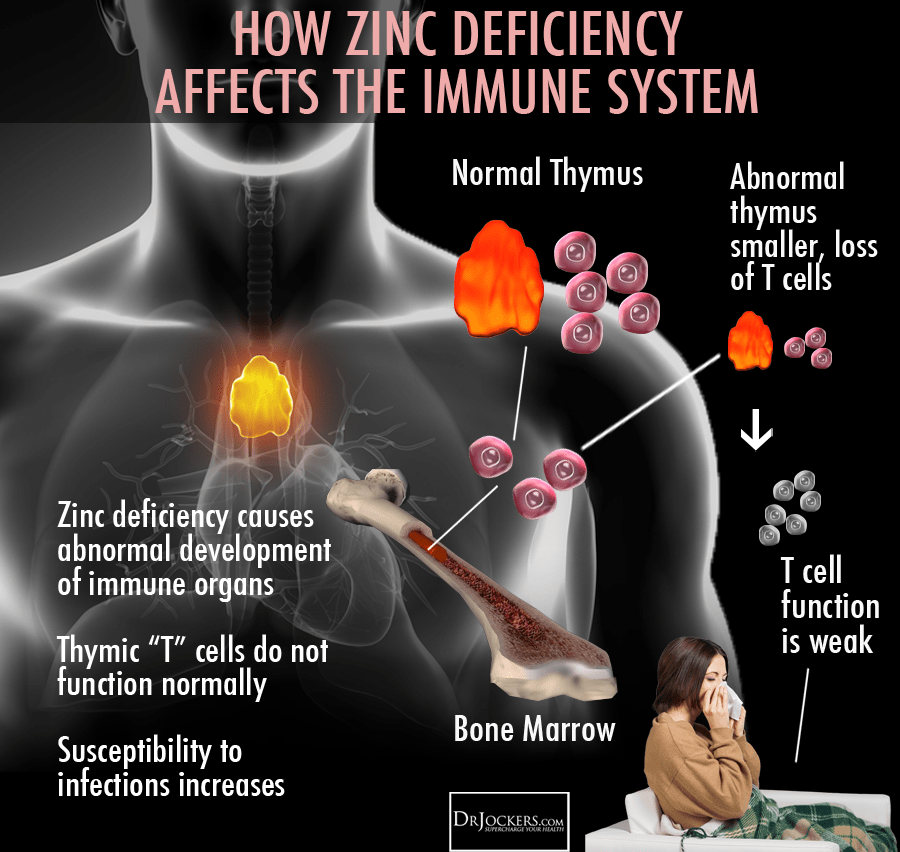
  • Tinnitus can be more than just annoying it can interfere with your peace of mind and daily life. While there are many possible causes, one that often goes unnoticed is zinc deficiency. Zinc is essential for supporting your immune system, nervous system, and even your ears. If you’re wondering whether this might be the missing link for your tinnitus, you’re in the right place. Let’s dive into the connection between zinc deficiency and tinnitus, the science behind it, and what you can do to feel in control again.

    What Is Tinnitus and How Does It Develop?

    Tinnitus isn’t a disease; it’s a symptom. It’s that persistent perception of ringing, buzzing, or other noise in the ears that doesn’t have an external source. For some, it’s a soft hum. For others, it sounds like a fire alarm on repeat.

    Symptoms and Impact of Tinnitus

    Tinnitus sounds vary widely from person to person. You might hear ringing, hissing, buzzing, or even roaring. The volume can range from barely noticeable to overwhelmingly loud. What makes it even trickier is how it often worsens in quiet environments, making sleep a challenge.

    Emotionally, tinnitus can lead to anxiety, concentration issues, and even depression. It’s not just a noise it’s an intruder in your daily life. The mental strain of dealing with it is exhausting, which is why understanding its causes is so important.

    Understanding the Causes of Tinnitus

    Tinnitus can stem from various issues. Exposure to loud noises, like concerts or construction work, is a common culprit. Age-related hearing decline, ear infections, or even stress can play a role. Less obvious causes include neurological conditions or head injuries.

    But here’s where zinc might come in. While not the most common cause, zinc deficiency has been proposed as a contributing factor to tinnitus in some cases. Could boosting zinc levels provide relief? Let’s explore the science.

    The Science of Zinc and Its Role in Auditory Health

    Zinc is often overlooked, but it’s essential to numerous processes in the body, including cellular repair and immune function. Its potential influence on hearing? Fascinating.

    Zinc’s Importance for Nervous System Function

    Zinc helps regulate the nervous system, which is critical for auditory processing. Your ears don’t work alone; they send sound signals to your brain through your auditory nerves. A healthy nervous system ensures these signals are clear and accurately interpreted. Zinc plays a part in helping neurons communicate effectively by managing neurotransmitter activity.

    Zinc Deficiency and the Inner Ear

    Here’s where it gets even more interesting. The inner ear, which helps process sounds and maintain balance, is loaded with zinc-dependent enzymes and proteins. If zinc levels dip too low, these essential processes can malfunction. Researchers suggest this could lead to abnormalities in the auditory nerve, possibly sparking or worsening tinnitus symptoms.

    Is There Evidence Linking Zinc Deficiency to Tinnitus?

    Several studies have investigated how zinc deficiency might tie into tinnitus. The results? Promising but not conclusive.

    Clinical Studies on Zinc and Tinnitus

    One study found that 31% of tinnitus patients had low blood zinc levels. In many cases, oral zinc supplements led to clinical improvements. Another trial focused on people with tinnitus but relatively normal hearing. These patients were found to have lower serum zinc levels than those without tinnitus.

    In some studies, zinc supplementation helped reduce tinnitus severity. Researchers noted that zinc acts on processes in the brain and ears that might influence tinnitus generation. It’s particularly interesting for patients where no hearing loss is present but the ringing persists.

    Conflicting Research and Limitations

    However, not all studies show a clear benefit. Some trials report little to no significant improvement in tinnitus symptoms after zinc supplementation. Why the discrepancies? Tinnitus is highly individual. Its causes and underlying mechanisms vary, making it hard to pinpoint a one-size-fits-all solution. Still, the research suggests zinc could be a worthwhile avenue for some patients.

    How to Address Zinc Deficiency for Auditory Health

    If you suspect you might be low on zinc—or just want to see if improving your levels could help your tinnitus—it’s important to make an informed plan.

    Recognizing and Diagnosing Zinc Deficiency

    Do you often feel fatigued or notice slow wound healing? Are you losing your sense of smell or taste? These symptoms, along with frequent infections, can point to low zinc levels. A simple blood test can confirm a deficiency. Your doctor can help you figure out if addressing your zinc levels might also impact your tinnitus symptoms.

    Dietary Sources and Supplementation

    Before you rush to the supplement aisle, consider your diet. Zinc is naturally found in foods like:

    • Shellfish, especially oysters
    • Meat like beef and pork
    • Seeds such as pumpkin and sunflower seeds
    • Legumes like lentils and chickpeas
    • Nuts, especially cashews and almonds

    If you’re considering supplements, proceed with caution. Too much zinc can cause nausea, weaken your immune system, or interfere with other essential minerals like copper. Always consult a healthcare provider before starting a new supplement.

    Other Nutrients for Ear Health

    Zinc isn’t the only nutrient that plays a role in auditory health. Magnesium helps protect against noise-induced hearing damage, while Vitamin D supports overall inner ear function. A balanced diet with these nutrients could amplify your efforts to reduce tinnitus symptoms.

    Conclusion

    The link between zinc deficiency and tinnitus is compelling, but it’s far from simple. While some people with tinnitus appear to benefit from zinc supplementation, others see no change at all. What is clear is that zinc plays an important role in auditory health, from maintaining inner ear function to supporting the nervous system.

    If you’re struggling with tinnitus, it’s worth investigating whether your zinc levels might be contributing. Speak with a doctor, get tested if needed, and look into dietary changes or supplements under their guidance. Small changes could lead to big relief or at least give you one more tool in managing the noise that’s been stealing your peace. You don’t have to suffer in silence literally or figuratively.

    Key Takeaways

    • Zinc deficiency may contribute to tinnitus, often described as ringing, buzzing, or hissing in the ears.
    • Zinc plays a key role in nerve function and inner ear health.
    • Common symptoms of zinc deficiency include weakened immunity, hair loss, or delayed wound healing.
    • Studies suggest that zinc supplementation could help lessen tinnitus symptoms in some cases.
    • Not all tinnitus cases are linked to zinc deficiency; other causes include noise exposure, ear infections, and certain medications.
    • A healthcare provider can determine if zinc levels are low through a simple blood test.
    • Zinc-rich foods like meat, shellfish, nuts, seeds, and whole grains may support healthy zinc levels.
    • Consult a doctor before taking zinc supplements to avoid overuse, which could lead to side effects like nausea or reduced copper absorption.
  • Introduction

    Hearing aids and tinnitus are two concepts that are often intertwined in the realm of audiology. While hearing aids are commonly used to amplify sound for those with hearing loss, they can also play a crucial role in managing tinnitus, a condition characterized by incessant ringing or buzzing in the ears. This article aims to shed light on the connection between hearing aids and tinnitus, and how these devices can help alleviate tinnitus symptoms.

    Understanding Tinnitus

    Tinnitus is a hearing condition that affects approximately 15-20 percent of the population. The symptoms of tinnitus can manifest as a variety of sounds, including hissing, ringing, clicking, buzzing, or roaring, and can be either continuous or intermittent. Tinnitus can be a debilitating condition that can interfere with an individual’s overall quality of life, affecting sleep, concentration, and emotional well-being.

    Tinnitus is not a standalone disease but rather a symptom of an underlying health condition. It can be a side effect of age-related hearing loss, exposure to loud noise, ear infections, or certain medications. Despite the prevalence of tinnitus, there is currently no definitive cure, and treatments aim to manage symptoms and improve the quality of life for those affected.

    The Role of Hearing Aids in Managing Tinnitus

    Hearing aids are primarily designed to compensate for hearing loss by amplifying sounds, making it easier for individuals to communicate and engage with their environment. However, hearing aids can also be an effective tool for managing tinnitus. Here’s how:

    1. Amplification of External Sounds: Hearing aids can help reduce the perception of tinnitus by amplifying external sounds, making the internal noise less noticeable. This is especially beneficial for individuals with tinnitus who also have hearing loss.
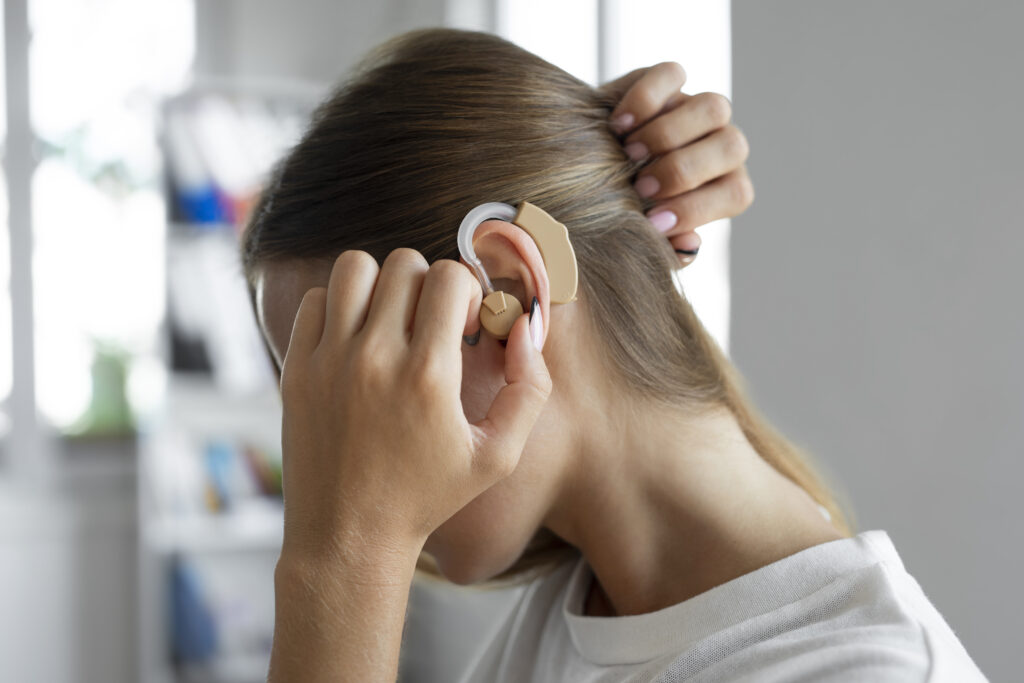
    2. Masking: Some hearing aids come with a ‘masking’ feature that produces white noise or other soothing sounds to help distract the brain from the internal noise caused by tinnitus.
    3. Tinnitus Retraining Therapy (TRT): Some hearing aids can be used as part of a broader treatment approach known as Tinnitus Retraining Therapy. TRT combines the use of hearing aids with counseling and education to help individuals habituate to their tinnitus, essentially training the brain to ignore the unwanted sounds.

    The Effectiveness of Hearing Aids in Alleviating Tinnitus Symptoms

    Research indicates that hearing aids can be effective in reducing tinnitus symptoms. A study published in the Journal of the American Academy of Audiology found that 60 percent of people with tinnitus experienced at least some relief from their symptoms with hearing aids, while 22 percent reported significant relief.

    Moreover, according to the American Tinnitus Association, amplification from hearing aids can be beneficial for 60 to 90 percent of people with tinnitus, particularly those with associated hearing loss.

    Conclusion

    While hearing aids are typically associated with hearing loss, they can also play a significant role in managing tinnitus. By amplifying external sounds, masking the internal noise, and aiding in Tinnitus Retraining Therapy, hearing aids can help reduce the perception of tinnitus and thereby improve the quality of life for those affected. As with any medical device, the effectiveness of hearing aids varies from person to person, highlighting the importance of personalized treatment plans under the guidance of a qualified healthcare professional.

    Key Takeaways

    • Hearing aids can help with tinnitus by amplifying external sounds, which makes internal ringing or buzzing less noticeable.
    • Many hearing aids include a masking feature, using white noise or soothing tones to distract the brain from tinnitus sounds.
    • They are often part of Tinnitus Retraining Therapy (TRT), which works with counseling to help the brain tune out unwanted noise.
    • Tinnitus, affecting up to 20% of people, can range from mild to life-disrupting but is usually a symptom of another condition, like hearing loss or loud noise exposure.
    • No cure exists, but hearing aids provide relief for most people, especially those with hearing loss.
    • Studies show 60-90% of people with tinnitus benefit from hearing aids, with many reporting significant improvement.
    • Effective treatment is personal, so working with a healthcare professional ensures the best results.

    Common Questions About Hearing Aids and Tinnitus

    Can hearing aids help with tinnitus?

    Yes, many hearing aids include features specifically designed to help manage tinnitus. By amplifying external sounds, they can reduce the focus on tinnitus. Some models even have built-in sound therapy programs or white noise generators to provide relief.

    Do all hearing aids come with tinnitus masking features?

    Not all hearing aids include tinnitus-specific features. If managing tinnitus is a priority, make sure to choose a model that offers sound therapy or masking options. Talk to your audiologist about your needs to find the right fit.

    Are hearing aids a permanent cure for tinnitus?

    Hearing aids can be highly effective for managing tinnitus, but they don’t cure it. They work by improving hearing clarity and providing relief through sound therapy, which can lessen the impact of tinnitus over time.

    How do hearing aids improve both tinnitus and hearing loss?

    Hearing aids amplify sounds, making it easier to hear conversations and background noises. This added stimulation can help your brain focus on real sounds rather than the phantom sounds caused by tinnitus.

    Do I need hearing loss to use hearing aids for tinnitus?

    No, some hearing aids are designed for people with normal hearing who experience tinnitus. These models focus on sound masking or sound therapy rather than amplifying external noise.

    Can tinnitus get worse without treatment?

    For some people, tinnitus may stay the same over time. But for others, it can become more noticeable, especially without addressing hearing loss or managing stress. Using hearing aids and following a treatment plan can help prevent it from becoming more disruptive.

    What sounds do hearing aids use for tinnitus masking?

    They often use white noise, ocean waves, soft hissing, or other calming sounds. Many models let you customize these settings to find what works best for you.

    Are there risks to wearing hearing aids if I have tinnitus?

    Not usually. For most people, hearing aids are safe and effective. However, poorly fitted hearing aids or improper settings could amplify noise in a way that feels uncomfortable. Always work with an audiologist to ensure the best results.

    How long does it take to see results with hearing aids?

    Every person is different, but many people notice some relief within days or weeks of consistent use. It may take time for your brain to adjust to the amplified sounds. Be patient and follow up with your provider if needed.

    Are hearing aids the only treatment for tinnitus?

    No, they’re just one option. Other treatments include sound therapy, counseling, lifestyle changes, medications, and cognitive behavioral therapy (CBT). A combination of approaches often works best.

    Do hearing aids for tinnitus work at night while sleeping?

    Most people don’t wear hearing aids while sleeping, but other tools like sound machines or tinnitus maskers can help. Ask your audiologist about additional nighttime solutions if tinnitus disrupts your sleep.

    How much do hearing aids with tinnitus features cost?

    Hearing aids with tinnitus features can vary widely in price, usually ranging from $1,000 to $5,000 per device. The cost depends on the technology, brand, and additional features. Some insurance plans may cover part of the expense, so check your coverage.

    Can tinnitus improve without hearing aids?

    Yes, depending on the cause, tinnitus can sometimes improve through other treatments like managing stress, improving sleep habits, or addressing underlying health conditions. Hearing aids, however, are a proven tool for many people dealing with both tinnitus and hearing loss.

    Should I see a specialist before getting hearing aids for tinnitus?

    Yes, always consult an audiologist or ENT specialist. They can perform a full evaluation to ensure the devices are tailored to your hearing and tinnitus needs.

    What should I do if my hearing aids don’t seem to help?

    If you’re not seeing improvement, follow up with your audiologist. Adjustments to the settings, additional therapy options, or even trying a different device might make all the difference.

    Hearing aids can make a real difference if you’re dealing with tinnitus. They help by improving your hearing, reducing stress, and enhancing your quality of life. If this has been a struggle for you, consider reaching out to a hearing specialist. You deserve solutions that work for you.

  • Tinnitus, an auditory perception that can manifest as a ringing, hissing, buzzing, or even a high-pitched whine in the ear, affects millions of people globally. In many cases, this condition can interfere significantly with a person’s quality of life, especially when it comes to sleep. This article aims to provide you with practical strategies for managing high-pitched tinnitus and improving your sleep.

    Understanding High-Pitched Tinnitus

    The high-pitched variant of tinnitus is a subjective condition where the individual hears a high-frequency sound that isn’t caused by an external source. This type of tinnitus can be an intermittent or constant annoyance, and its volume can vary from barely noticeable to overwhelmingly loud. High-pitched tinnitus can be linked to various causes such as exposure to loud noises, ear infections, certain medications, and age-related hearing loss.

    The Impact on Sleep

    A good night’s sleep is essential for overall health and wellbeing. However, high-pitched tinnitus can significantly disrupt sleep patterns, leading to insomnia and other sleep disorders. The quiet night environment can make the tinnitus sound more noticeable, making it difficult to fall asleep or stay asleep. In turn, this lack of sleep can exacerbate the perception of tinnitus, creating a vicious cycle.

    Strategies for Better Sleep with High-Pitched Tinnitus

    1. Sound Therapy: Sound therapy, or using external noise to mask the internal sound of tinnitus, can be a particularly effective strategy. White noise machines, fans, or even a soft radio can provide a consistent, soothing backdrop that can make the high-pitched sound less noticeable. There are also specialized bedside devices and hearing aids designed to provide relief from tinnitus and promote sleep.
    2. Cognitive Behavioral Therapy (CBT): CBT helps individuals change their perception and reaction to tinnitus. By working with a therapist, one can learn to manage any anxiety or stress associated with the condition, leading to improved sleep quality.
    3. Mindfulness and Relaxation Techniques: Techniques like meditation, deep breathing, and progressive muscle relaxation can help reduce the stress and anxiety that often accompany tinnitus, making it easier to fall asleep.
    4. Create a Sleep-Friendly Environment: Make your bedroom a sanctuary for sleep. Keep it dark, quiet, and cool. Consider using eye shades, earplugs, or a “white noise” appliance to help manage the tinnitus. Also, ensure your mattress and pillows are comfortable.
    5. Regular Exercise: Regular physical activity can help you fall asleep faster and enjoy deeper sleep. However, be mindful not to exercise too close to bedtime as it may interfere with your sleep.
    6. Limit Alcohol, Caffeine, and Nicotine: These substances can worsen tinnitus and disrupt your sleep. Try to limit or avoid them, especially closer to bedtime.
    7. Maintain Sleep Hygiene: Establish a regular sleep schedule, allowing for at least 7-9 hours of sleep each night. Avoid napping during the day, and establish a pre-sleep routine to signal to your body that it’s time to sleep.
    8. Consult a Healthcare Provider: If tinnitus and sleep problems persist despite your best efforts, it may be time to consult a doctor or a hearing specialist. They can help identify any underlying conditions contributing to your tinnitus or suggest other treatments such as medication or tinnitus retraining therapy.

    In conclusion, high-pitched tinnitus can pose a significant challenge to sleep, but it’s not insurmountable. By implementing strategies such as sound therapy, maintaining good sleep hygiene, and consulting with healthcare professionals, you can mitigate the impact of tinnitus on your sleep, leading to better rest and improved overall health.

    Key Takeaways

    • High-pitched tinnitus sounds like a ringing, buzzing, or hissing in the ears.
    • It can vary in intensity and may be constant or occasional.
    • Common causes include exposure to loud noises, age-related hearing loss, ear infections, or certain medications.
    • Stress, anxiety, and fatigue can make symptoms worse.
    • If the tinnitus is persistent, affects daily life, or occurs with other symptoms (like dizziness or hearing loss), consult a healthcare professional.
    • Protect your ears from loud sounds and take breaks from noisy environments to reduce risk.
    • Relaxation techniques and managing stress may help ease symptoms.
    • Treatment can include hearing aids, sound therapy, or addressing underlying conditions based on a doctor’s guidance.

    Simple Solutions for Sleeping Better with Tinnitus FAQ’s

    What’s the best way to fall asleep when tinnitus feels overwhelming?

    Try using background noise to mask the ringing. White noise machines, fans, or even a playlist of calming sounds can help distract your brain. Relaxation techniques, like deep breathing or progressive muscle relaxation, can also keep you calm and focused on rest.


    Should I avoid complete silence at night?

    Yes, silence can make tinnitus sound louder and harder to ignore. Instead, create a gentle background sound that helps you focus elsewhere. You can use soft music, nature sounds, or even an app designed for tinnitus masking.

    Does stress make tinnitus worse at bedtime?

    Absolutely. Stress and anxiety can amplify the ringing. Try building a relaxing bedtime routine—dim the lights, read something calming, or meditate. Even a few deep breaths before bed can make a big difference over time.

    Can the position I sleep in affect tinnitus?

    For some people, lying on one side or resting their head in a certain way might make the ringing more noticeable. Experiment with different pillows or head positions to see if it reduces pressure on your ears or neck.

    Should I stop using screens before bed if I have tinnitus?

    Yes. The blue light from screens can interfere with your ability to fall asleep, and overstimulation can make it harder to ignore the ringing. Try turning off devices at least an hour before bed to give your brain time to wind down.

    Are there foods or drinks that could make tinnitus worse at night?

    Yes, certain triggers like caffeine, sugar, or alcohol can make tinnitus more noticeable for some people. Pay attention to what you consume in the evening and try cutting back to see if it helps.

    Can earplugs or headphones help me sleep better?

    Earplugs might not be the best choice since they can amplify internal noises, including tinnitus. However, sleep headphones or pillow speakers that play soothing sounds are a great option if quiet noises help you relax.

    How important is exercise when dealing with tinnitus and sleep?

    Regular physical activity reduces stress and improves sleep quality. Even a short walk or stretching routine during the day can help your body relax at night. Just try not to exercise too close to bedtime, as it might energize you.

    Should I see a doctor if tinnitus is keeping me awake every night?

    If it’s severely impacting your sleep and mental health, definitely talk to a healthcare professional. They can evaluate underlying causes, suggest treatments, or recommend therapies like sound therapy or cognitive behavioral therapy (CBT).

    How long does it take to adjust to sleeping with tinnitus?

    It varies for everyone. Some people notice improvement within a few weeks of trying sound masking or relaxation strategies. The key is consistency—stick to your routine and give your brain time to adapt.

    Are over-the-counter sleep aids safe for tinnitus?

    Some sleep aids can actually make tinnitus more noticeable as a side effect. Talk to your doctor before taking anything new to make sure it won’t interfere with your condition or sleep quality.

    Can mindfulness really help with tinnitus and sleep?

    Yes, practicing mindfulness can train your brain to focus less on the ringing. Apps, guided meditations, or simple breathing exercises can help you stay calm and shift away from the noise. It takes practice but can be very effective.

    Is it okay to take naps during the day if I’m not sleeping well at night?

    Try to keep naps short—no more than 20-30 minutes—and avoid napping late in the day. Napping too much can interfere with your body’s natural sleep-wake cycle, making it harder to fall asleep later.

    Will my tinnitus ever go away completely?

    For many, tinnitus doesn’t fully go away, but it can become manageable. Over time, your brain can learn to tune it out, especially with the help of coping techniques and sound therapy. Focus on habits that improve your overall sleep and well-being.

    Are there support groups for people struggling to sleep with tinnitus?

    Yes, many people find comfort in connecting with others who understand what they’re going through. Check out online forums or local support groups for advice, encouragement, and shared coping strategies.

    Living with tinnitus can be challenging, but improving your sleep is possible with the right tools and habits. You deserve nights that feel restful and mornings that feel refreshed. Take time to experiment with strategies like sound therapy or mindfulness. If you stay patient and consistent, you’ll begin to notice progress, one night at a time.

  • Introduction

    If you’re wondering, “Can tinnitus be a warning sign for hearing loss?” the answer is it might be. Many people experience tinnitus without realizing it could point to changes in their hearing health. By understanding how tinnitus relates to hearing loss, you can take timely steps to protect your ears and improve your quality of life. Let’s uncover what you need to know about this important connection.

    Understanding Tinnitus

    Imagine hearing a constant ringing, buzzing, or hissing that no one else can hear. This is the reality for those living with tinnitus. But what is tinnitus, and why does it happen? At its simplest, it’s a symptom, often tied to hearing damage or other health conditions. Understanding its root causes and available treatments is the first step toward finding relief.

    Tinnitus and Hearing Loss: The Connection

    Approximately 90% of tinnitus cases occur with an underlying hearing loss. Hearing loss can be caused by damage to the inner ear, where tiny hair cells transform sound waves into electrical signals for the brain to interpret. When these hair cells are damaged or destroyed, they can’t regenerate, leading to hearing loss. These damaged hair cells may also cause tinnitus by sending false signals to the brain, resulting in the perception of sounds that aren’t there.

    How Tinnitus May Be A Warning Sign for Hearing Loss

    Tinnitus could potentially serve as an early warning sign for hearing loss, especially when caused by exposure to loud noises. This is because the exposure does not only initiate tinnitus but can also damage the hair cells in the ear, leading to hearing loss over time. If left unchecked, this could lead to a significant decrease in one’s hearing ability.

    Additionally, tinnitus may mask the onset of hearing loss. The constant ringing or buzzing in the ears can distract individuals from noticing a gradual decrease in their hearing sensitivity. Thus, it becomes essential to consider tinnitus as a potential red flag for impending hearing loss.

    Addressing Tinnitus and Hearing Loss

    If you experience tinnitus, it is crucial to seek medical attention to ascertain the cause and determine if there is associated hearing loss. Audiologists will typically conduct a comprehensive hearing examination, which may include a pure-tone test and speech audiometry to evaluate your hearing ability.

    Treatment for tinnitus depends on the underlying cause. If it is due to hearing loss, hearing aids can often provide relief. These devices amplify external sounds, helping the brain focus on them instead of the internal noise. Other treatments include cognitive-behavioral therapy (CBT) to alter the perception and impact of tinnitus, sound therapy to mask the internal noise, and medications to manage any accompanying symptoms like anxiety or depression.

    Conclusion

    In conclusion, tinnitus can indeed be a warning sign of hearing loss. The presence of tinnitus should be taken seriously, and a medical evaluation is advised to determine if there is any associated hearing loss. Regular hearing checks are also crucial, particularly for individuals exposed to loud environments. By understanding the connection between tinnitus and hearing loss, individuals can seek timely intervention, which can significantly improve their quality of life.

    Key Takeaways

    • Tinnitus refers to hearing sounds like ringing, buzzing, or hissing when there’s no external source.
    • It is often linked to hearing loss but can occur independently.
    • Common causes include exposure to loud noises, ear injuries, aging, and medical conditions such as high blood pressure.
    • Tinnitus can vary in intensity and frequency, ranging from mild to bothersome.
    • Hearing loss affects the ability to detect or understand sounds and may result from similar causes, such as noise damage or aging.
    • Both conditions can significantly impact quality of life, leading to stress, sleep problems, or difficulty concentrating.
    • Treatments for tinnitus include sound therapy, hearing aids, counseling, and lifestyle adjustments (e.g., reducing stress and avoiding loud sounds).
    • Early intervention can improve outcomes for hearing loss, often involving hearing aids, cochlear implants, or addressing underlying conditions.
    • If you notice persistent changes in hearing or new symptoms, consult a healthcare professional for evaluation and treatment options.

    Is Tinnitus a Sign of Hearing Loss? Common Questions Answered

    Can tinnitus be an early warning sign of hearing loss?

    Yes, in many cases, tinnitus is tied to hearing loss. It’s often one of the first signs that the tiny hair cells in the inner ear, which help process sound, are damaged. Even if your hearing seems fine right now, it’s worth paying attention to persistent tinnitus.

    Does everyone with hearing loss experience tinnitus?

    No, not everyone with hearing loss has tinnitus. They’re often connected, but having hearing loss doesn’t automatically mean you’ll experience tinnitus, and vice versa. Each person’s experience is different.

    Can tinnitus happen even if my hearing seems normal?

    Yes, it’s possible to have tinnitus even with no noticeable hearing loss. Sometimes, tinnitus can be a sign of very subtle changes in your hearing that aren’t obvious yet. A hearing test can help pick up on these changes.

    If I ignore tinnitus, will it go away on its own?

    Sometimes tinnitus is temporary, especially if it’s triggered by something like loud noise exposure or stress. But if it doesn’t go away after a few days, it’s a good idea to see a doctor. Ignoring it for too long might mean missing underlying problems like early hearing loss or another treatable condition.

    Does hearing loss always cause tinnitus, or could it be something else?

    Tinnitus has many causes. While hearing loss is a major one, it’s not the only possibility. Issues like ear infections, high blood pressure, stress, or even too much caffeine can trigger tinnitus. That’s why it’s helpful to get it checked by a professional rather than guessing.

    How do I know if my tinnitus is linked to hearing loss?

    A hearing test is the easiest way to tell. Audiologists can measure your hearing range and look for patterns that match common hearing loss-related tinnitus. They can also help rule out other causes and point you toward resources for managing it.

    Can tinnitus worsen over time if it’s tied to hearing loss?

    Yes, tinnitus can become more persistent or noticeable as hearing loss progresses. Treating hearing loss early, like using hearing aids, can sometimes reduce how much you notice the tinnitus.

    What can I do to protect my hearing if I have tinnitus?

    Start by limiting exposure to loud noises. Use ear protection like earplugs at concerts or loud work environments. Regular hearing checkups also help catch any changes early. Lifestyle changes, like managing stress and avoiding overly loud music, can also keep tinnitus from getting worse.

    Should I see a doctor if I have tinnitus but no other symptoms?

    Yes, especially if the tinnitus has been ongoing or is interfering with your daily life. In some cases, tinnitus can signal other health issues that might need attention, like circulation problems or ear infections. A medical checkup is a safe first step.

    Are there effective treatments for tinnitus caused by hearing loss?

    While there’s no cure for tinnitus yet, there are ways to manage it. Hearing aids can both improve hearing and help mask tinnitus sounds. Sound therapy, counseling, and relaxation techniques can also make living with tinnitus easier. An audiologist can help tailor a plan to your needs.

    What if my tinnitus sounds change over time? Is that normal?

    Tinnitus can shift in pitch, tone, or volume—it’s not unusual. These changes might mean your hearing is changing or that another factor, like stress or medication, is influencing the tinnitus. Let your doctor or audiologist know so they can reevaluate.

    Is tinnitus always permanent if it’s linked to hearing loss?

    Not always. Some people find that managing their hearing loss, using hearing aids, or trying sound therapy can reduce tinnitus or make it far less noticeable. While it might not fully go away, many can learn to live with it comfortably.

    How soon should I act if I suspect a connection between tinnitus and hearing loss?

    The sooner, the better. Early action can help prevent further hearing damage and give you more treatment options. Scheduling a hearing test is a quick and simple way to get clarity. Don’t wait for it to get worse before seeking help.

  • If your tinnitus has been getting worse lately, it’s natural to feel concerned. Changes in the intensity or frequency of that persistent ringing, buzzing, or whooshing can disrupt your daily life and well-being. The good news is there are practical steps you can take to manage these symptoms. In this post, we’ll outline possible reasons for worsening tinnitus and guide you through strategies to regain control and find relief.

    Recognizing the Signs of Worsening Tinnitus

    It’s important to be mindful of the signs that my tinnitus may be getting worse. Some days, I might notice an increase in ringing, buzzing, or hissing sounds in my ears. Other symptoms may include:

    • Increased sensitivity to noise
    • A feeling of fullness in the ears
    • Difficulty concentrating
    • Heightened irritability or anxiety

    By keeping track of these signs, I can understand my patterns better. Journaling about my experiences can be a helpful tool. Did I have a particularly loud day? Did I feel more stressed? Recognizing these trends can guide me toward effective coping strategies.

    Common Triggers for Tinnitus Flare-ups

    Just like any persistent issue, tinnitus has its triggers. It seems like they’re lurking in everyday life, waiting to pounce when I least expect it. Here are a few common culprits:

    • Stress: It’s no surprise that stress can take a toll on tinnitus. When I’m anxious, it feels like the noise amplifies.
    • Loud Environments: Whether it’s a crowded restaurant or a concert, loud sounds can bump up my tinnitus levels.
    • Certain Foods: Some people, including myself, find that caffeine or high-sodium foods make their tinnitus worse.

    It’s all about being aware of my surroundings and making thoughtful choices.

    Emotional and Physical Reactions to Increased Tinnitus

    When my tinnitus acts up, I often feel the emotional and physical toll. My mood might plummet, or I find it hard to focus. Sometimes, I even experience headaches or fatigue. It’s frustrating because it feels like I can’t escape the noise, and it bleeds into my daily life. Recognizing this connection helps me see that I need to take care of my emotional well-being just as much as my physical health.

    Immediate Steps to Take on Bad Days

    So, what can I do when I feel like I’m grappling with tinnitus? Here are some immediate actions that help me feel a bit better.

    Calming Techniques for Instant Relief

    Deep breathing practices can work wonders. By taking just a few minutes to focus on my breath, I can lower my stress levels and, in turn, ease the intensity of my tinnitus. Here are a few techniques to try:

    • Deep Breathing: Breathe in through my nose for a count of four, hold for a count of four, then exhale through my mouth for a count of six.
    • Mindfulness: I find a quiet space and focus on the present moment. What do I see? What do I hear? This helps pull my attention away from the tinnitus.
    • Progressive Muscle Relaxation: Tensing and then relaxing each muscle group helps release physical tension that might be amplifying my symptoms.

    Creating a Sound Environment

    Sometimes the best way to cope with a noisy day is to introduce a more pleasing sound. I’ve found that background noise can be incredibly soothing. Here are some ideas:

    • White Noise Machines: These devices create a consistent sound that can help mask the ringing.
    • Gentle Music: Soft instrumental or nature sounds can provide a calming backdrop that distracts from tinnitus.
    • Sound Apps: Many mobile apps offer a variety of soothing sounds that I can choose from based on my mood.

    Creating a comforting auditory experience can make a significant difference.

    Long-term Strategies to Manage Tinnitus

    Beyond the bad days, it’s crucial to think about long-term management. Here are some strategies I’ve found essential.

    Lifestyle Modifications

    Making small changes to my daily habits has had a positive impact. Here are a few significant adjustments to consider:

    • Diet: A balanced diet can reduce inflammation. Incorporating more fruits and vegetables into my meals has been beneficial.
    • Exercise: Regular movement helps improve circulation and reduce stress. Whether it’s a brisk walk or yoga, staying active is key.
    • Sleep: Prioritizing quality sleep can help me feel refreshed and lessen the chances of tinnitus flare-ups.

    Seeking Professional Support

    I’ve also learned the value of reaching out for help. Consulting with an audiologist or therapist can provide specialized insights tailored to my needs. They can help develop a management plan that works for me, including sound therapy or cognitive behavioral techniques.

    When to Seek Emergency Care

    While managing tinnitus at home is possible, there are moments when I need to seek professional help. Certain symptoms can signal a more serious condition.

    Signs That Indicate a Need for Medical Attention

    If I experience any of the following symptoms, it’s time to get medical care immediately:

    • Sudden hearing loss: This can be alarming and requires prompt attention.
    • Severe dizziness or balance issues: It’s essential to rule out underlying conditions.
    • Ringing that abruptly changes: Any sudden shift in sound intensity warrants a check-up.

    Listening to my body is vital; I have to trust my instincts.

    Conclusion

    Managing tinnitus can feel overwhelming, especially on the bad days. However, by recognizing the signs, knowing my triggers, and employing both immediate and long-term strategies, I can regain some control. I remind myself that I’m not alone on this journey. Support is available, and it’s okay to reach out for help. Every step I take toward understanding and managing my tinnitus brings me closer to peace of mind.

  • Introduction

    The International Classification of Diseases, 10th edition, or ICD-10 codes, are used by medical professionals worldwide to categorize and diagnose diseases, including tinnitus. Understanding these codes can help clarify the various conditions that are often associated with tinnitus.

    Understanding Tinnitus ICD-10 Codes

    The ICD-10 code for tinnitus is H93.19. This code is commonly used in medical billing and documentation to denote cases of tinnitus. However, this code is broad and doesn’t specify the cause or the type of tinnitus. It only provides a general classification for this auditory condition.

    Common Conditions Linked to Tinnitus

    1. Hearing Loss (H91): Hearing loss is the most common condition associated with tinnitus. The damage to the inner ear or auditory nerves often results in tinnitus. The ICD-10 codes for hearing loss range from H91.0 to H91.9, depending on the type and severity of the hearing loss.
    2. Meniere’s Disease (H81.0): Meniere’s disease is a disorder of the inner ear that causes severe dizziness (vertigo), tinnitus, hearing loss, and a feeling of fullness or congestion in the ear. The ICD-10 code for Meniere’s disease is H81.0.
    3. Acoustic Neuroma (D33.3): An acoustic neuroma is a benign tumor that develops on the nerve that connects the ear to the brain. The ICD-10 code for this condition is D33.3. Although the tumor is non-cancerous, it can cause tinnitus, along with balance problems and hearing loss.
    4. Otosclerosis (H80): Otosclerosis is a condition where an abnormal bone growth in the middle ear causes hearing loss. This can often be accompanied by tinnitus. The ICD-10 codes for otosclerosis range from H80.0 to H80.9.
    5. Ear Infections (H66): Ear infections, particularly those that affect the middle ear, can lead to temporary or permanent tinnitus. The ICD-10 codes for ear infections range from H66.0 to H66.9.
    6. Hypertension (I10): Hypertension, or high blood pressure, can exacerbate tinnitus. The ICD-10 code for essential (primary) hypertension is I10.

    Conclusion

    Tinnitus is a complex symptom linked to numerous conditions, many of which can be identified through ICD-10 codes. Understanding these codes can help medical professionals diagnose and treat the root cause of tinnitus more effectively. However, it’s important to note that these codes are merely a tool for classification and do not replace a comprehensive medical evaluation. If you are experiencing symptoms of tinnitus, it is important to consult a healthcare provider for a thorough examination and appropriate treatment.

    Common Conditions Linked to Tinnitus ICD-10 Codes: Frequently Asked Questions

    What is the ICD-10 code for tinnitus itself?

    The ICD-10 code for tinnitus is H93.1. This code is specific to the symptom of ringing or buzzing in the ears, regardless of the underlying cause.

    Can tinnitus be linked to hearing loss in ICD-10 coding?

    Yes, tinnitus can often occur alongside hearing loss. For sensorineural hearing loss (the most common type), the ICD-10 codes range from H90.3 to H90.5 depending on laterality (whether it’s one ear or both). If both conditions are present, you’d typically code for each condition separately.

    Is tinnitus associated with Meniere’s disease in ICD-10 coding?

    Yes, tinnitus can be a symptom of Meniere’s disease, which has its own ICD-10 code: H81.0. This condition usually involves tinnitus, vertigo, and hearing loss, so related symptoms may also need to be coded.

    What ICD-10 code should be used for tinnitus caused by noise exposure?

    If tinnitus is linked to noise-induced hearing loss, use H83.3 for noise effects on the inner ear. This may also involve a separate code for the related hearing loss or other symptoms based on the actual diagnosis.

    How do you code tinnitus associated with head trauma?

    For tinnitus caused by head or neck injuries, you’ll first identify the trauma or injury code from the chapter on injury (S00-T88) based on the specific diagnosis. Then, use H93.1 to denote the tinnitus. It’s okay to code for both as they provide a comprehensive clinical picture.

    Are there codes for psychological conditions linked to tinnitus?

    Yes, tinnitus can take a toll on mental health. For anxiety or depression caused by or exacerbated by tinnitus, use codes like F41.1 (generalized anxiety) or F33.2 (major depressive disorder, recurrent, moderate). You’ll also still include the tinnitus code H93.1 to reflect its presence.

    Can tinnitus be tied to otitis media in coding?

    Yes, chronic ear infections like otitis media can lead to tinnitus. For otitis media, codes range from H65 (non-suppurative otitis media) to H66 (suppurative and unspecified otitis media). Combine this with H93.1 to capture both aspects of the condition.

    What code applies if tinnitus is due to medication side effects?

    If tinnitus occurs as a side effect of medication, use T36-T50 codes to describe the adverse effect, followed by H93.1 for tinnitus. Be sure to also identify the specific medication causing the issue.

    Understanding the connection between tinnitus and its ICD-10 codes is a valuable step in managing this condition. By learning about the possible underlying causes, you’re empowering yourself with knowledge to seek better care. If you’re dealing with tinnitus or curious about its related medical classifications, consider discussing these codes with a healthcare provider to explore tailored treatment options.

  • Introduction

    The connection between inflammation and tinnitus is something experts are examining closely. While tinnitus can’t always be eliminated, reducing inflammation in your body through specific dietary choices may help ease the symptoms. An anti-inflammatory diet for tinnitus focuses on whole foods that not only promote wellness but also help calm the body’s stress responses. It’s a practical way to improve your quality of life, one meal at a time.

    Understanding Tinnitus

    Tinnitus is a symptom rather than a disease itself. It is often associated with a number of underlying conditions such as age-related hearing loss, ear injury, or a circulatory system disorder. Chronic inflammation can also be a key contributor to tinnitus, causing damage to the auditory nerves, which leads to the perception of phantom sounds.

    The Role of Anti-Inflammatory Diet in Tinnitus Management

    An anti-inflammatory diet is a balanced, nutritious eating plan designed to combat inflammation in the body. Inflammation is a natural immune response; however, chronic inflammation can lead to various health problems, including tinnitus. An anti-inflammatory diet aims to reduce chronic inflammation, thereby potentially lessening the severity of tinnitus symptoms.

    This diet primarily includes foods rich in antioxidants, fiber, healthy fats, and other essential nutrients. Research suggests that such a diet can help reduce inflammation in the body, improve overall health, and might also enhance the body’s natural defenses, making it more resilient to conditions like tinnitus.

    Anti-Inflammatory Foods for Tinnitus

    1. Fruits and Vegetables: These are packed with antioxidants and essential nutrients that can help curb inflammation. Berries, cherries, oranges, bell peppers, leafy greens, and tomatoes are particularly beneficial.
    2. Whole Grains: Foods like brown rice, oatmeal, quinoa, and whole wheat bread are rich in fiber, which can help reduce inflammation.
    3. Healthy Fats: Omega-3 fatty acids, found in fatty fish like salmon, mackerel, and sardines, along with flaxseeds, chia seeds, walnuts, and avocados, can help lower inflammation.
    4. Lean Proteins: Chicken, turkey, fish, and plant-based proteins like lentils and beans can play a crucial role in an anti-inflammatory diet.
    5. Spices and Herbs: Many spices, including turmeric (with its active ingredient curcumin), ginger, cinnamon, and garlic, have proven anti-inflammatory properties.
    6. Green Tea: This beverage is rich in antioxidants and has been associated with reduced inflammation.

    Avoid Inflammatory Foods

    While it’s important to include anti-inflammatory foods in your diet, it’s equally crucial to avoid foods that can trigger inflammation. These include processed foods, fried foods, refined carbohydrates (like white bread and pastries), sugary drinks, red meat, and margarine.

    Conclusion

    Though an anti-inflammatory diet may not cure tinnitus, it can potentially reduce its severity and improve overall health. It’s always recommended to consult a healthcare provider or a registered dietitian before making significant changes to your diet. Remember, a holistic approach that includes a healthy lifestyle, regular exercise, stress management, and adequate sleep, along with a balanced diet, can be the most effective way to manage tinnitus and enhance your quality of life.

    Key Takeaways

    • Inflammation might play a role in tinnitus, and experts are researching this connection.
    • While tinnitus may not always go away, calming inflammation in your body could reduce symptoms.
    • Choosing an anti-inflammatory diet with whole, nutrient-rich foods can support your overall wellness.
    • These dietary changes might also ease stress responses in your body, offering some relief.
    • Focusing on small, practical steps like adjusting what you eat can make a big difference over time.

    FAQs: Anti-Inflammatory Diet for Tinnitus

    What is an anti-inflammatory diet?

    An anti-inflammatory diet focuses on foods that reduce inflammation in the body, like fruits, vegetables, whole grains, healthy fats, and lean proteins. It avoids processed foods, added sugars, and unhealthy fats that may trigger inflammation.

    Can an anti-inflammatory diet help with tinnitus?

    While an anti-inflammatory diet won’t cure tinnitus, reducing inflammation may lower symptoms for some people. Chronic inflammation can worsen health issues, and addressing it might improve overall well-being, including ear health.

    What foods should I eat for an anti-inflammatory diet?

    Include foods like leafy greens, berries, nuts, seeds, fatty fish (like salmon), olive oil, and whole grains. These have anti-inflammatory properties and provide nutrients that support your body.

    What foods should I avoid?

    Limit processed foods, sugary snacks, refined carbs, trans fats, and fried foods. These can promote inflammation, which could worsen tinnitus or general health concerns.

    Is caffeine bad for tinnitus?

    For some people, caffeine might make tinnitus worse, but others might not notice a difference. It depends on your body’s sensitivity. Consider monitoring how caffeine affects your symptoms.

    Does sugar make tinnitus worse?

    High sugar intake can cause inflammation and might worsen tinnitus for some. Excess sugar can impact blood flow and nerve function, which may aggravate symptoms.

    Can alcohol affect tinnitus?

    Alcohol increases blood flow, which might temporarily make tinnitus worse for some people. Reducing alcohol intake could help lessen symptoms, but this varies person to person.

    Are there specific nutrients that help with tinnitus?

    Magnesium, zinc, and vitamin B12 are nutrients that might contribute to better ear health. If you’re deficient, increasing these through food or supplements could make a difference.

    How long does it take to see results from an anti-inflammatory diet?

    It varies by individual. You might notice gradual changes in a few weeks, but long-term commitment typically brings the best results.

    Do I need to avoid all processed foods?

    Not necessarily. Moderation is key. Some minimally processed foods like whole-grain bread or canned beans are nutritious. Aim to avoid heavily processed, high-sugar, and high-fat options.

    Is an anti-inflammatory diet hard to follow?

    It doesn’t have to be. Focus on simple meals with fresh ingredients. Planning ahead and making small swaps (like olive oil instead of butter) can make the diet easier to stick to.

    Should I talk to a doctor before starting an anti-inflammatory diet?

    Yes, it’s a good idea, especially if you have other medical conditions or take medications. A doctor or dietitian can help tailor a plan to your needs.

    Can herbal teas help with tinnitus?

    Some herbal teas, like ginger or turmeric tea, might have anti-inflammatory properties that could be beneficial. However, there’s no strong evidence directly linking them to tinnitus relief.

    Does stress affect tinnitus, and can diet help?

    Stress can often worsen tinnitus. An anti-inflammatory diet might help by improving overall health and potentially reducing stress levels, especially when paired with relaxation techniques.

    Is this diet safe for everyone?

    Generally, yes, as it’s focused on whole, nutritious foods. However, specific needs and allergies should be considered. It’s best to consult a healthcare professional for personalized advice.

    An anti-inflammatory diet for tinnitus offers a practical, natural path to managing symptoms by addressing a potential root cause: inflammation. By prioritizing nutrient-rich foods and avoiding known triggers, you can take control of your health. Start small—track your meals, notice patterns, and focus on consistent, simple swaps. Your body and mind deserve the effort.

  • Vitamins and supplements are a popular suggestion, but what’s worth trying for tinnitus? Here, we’ll take a look at the possibilities and share what you need to know before taking that next step. Relief won’t happen overnight, but finding the right tools could make a real difference.

    Understanding Tinnitus

    Tinnitus is not a disease in itself but a symptom of an underlying condition. It may be temporary or persistent, and while often associated with hearing loss, it can also be triggered by stress, exposure to loud noise, or certain medical disorders. The phantom noise can vary in pitch from a low roar to a high squeal, and may be heard in one or both ears.

    Vitamins and Supplements for Tinnitus

    In recent years, the use of vitamins and supplements for managing tinnitus symptoms has gained considerable attention. While most of these substances are not designed to directly cure tinnitus, they may provide some relief by addressing underlying conditions or improving overall health.

    1. Vitamin B12: Deficiency in Vitamin B12 has been linked to several neurological issues, including tinnitus. Some studies suggest that supplementing with B12 may alleviate tinnitus symptoms in individuals with a deficiency.
    2. Zinc: Zinc plays an essential role in the body, including maintaining the health of the inner ear. Some research indicates that zinc deficiency may contribute to tinnitus in some individuals, and supplementing with zinc could potentially alleviate symptoms.
    3. Ginkgo Biloba: This herbal supplement is often promoted for tinnitus relief. Its active ingredients are thought to improve blood flow and protect against cell damage, potentially reducing tinnitus symptoms. However, evidence supporting its effectiveness is mixed.
    4. Magnesium: A deficiency in magnesium, an essential mineral that aids in nerve function, can lead to tinnitus. Some studies suggest that magnesium supplements may help reduce the severity of tinnitus symptoms.
    5. Lipoflavonoid: This supplement, which contains a mix of vitamins and minerals, is often marketed specifically for tinnitus. While some users report relief, scientific evidence to support its effectiveness is currently limited.

    The Evidence and What Experts Say

    Although there are numerous anecdotes and some research to suggest that vitamins and supplements may help with tinnitus, the scientific evidence is mixed. While some studies show a potential benefit, others find no effect. For instance, a 2013 Cochrane review of studies on Ginkgo Biloba for tinnitus found insufficient evidence to conclude that it is beneficial.

    It’s worth noting that the effectiveness of vitamins and supplements for tinnitus likely depends on the individual. If tinnitus is caused or worsened by a deficiency in a particular vitamin or mineral, supplementing with that nutrient may help. However, if tinnitus is due to another underlying cause, vitamins and supplements might not provide significant relief.

    Conclusion

    In summary, while vitamins and supplements may offer some potential for managing tinnitus symptoms, they are not a definitive cure. The effectiveness of these substances largely depends on the individual’s specific condition and nutritional needs. Therefore, if you are considering vitamins and supplements for tinnitus, it’s essential to first consult with a healthcare professional. They can help identify any deficiencies or underlying conditions and guide you toward the most effective treatment strategy. It’s also crucial to remember that these supplements should be used as part of a comprehensive health plan and not as a standalone treatment for tinnitus.

    Key Takeaways

    • Some vitamins and supplements might help ease tinnitus symptoms.
    • Magnesium can support nerve health and may improve inner ear function.
    • Zinc is linked to better hearing health and could reduce tinnitus for some.
    • Vitamin B12 deficiency is common in people with tinnitus. Supplementing may help.
    • Ginkgo biloba might improve blood flow to the ear, which could reduce symptoms.
    • Vitamin D supports overall ear health and immune function.
    • Talk to a doctor before starting new supplements to avoid interactions or side effects.
    • Supplements work best when paired with a healthy lifestyle and proper medical care.

    Frequently Asked Questions About Vitamins and Supplements for Tinnitus

    What is tinnitus, and why do people consider supplements for managing it?

    Tinnitus is the perception of sound, like ringing, buzzing, or hissing, without an external source. It’s often linked to hearing loss, ear injuries, or other health issues. Since there’s no universal cure, some people try vitamins and supplements to reduce symptoms or improve their overall ear health.

    Can supplements cure tinnitus?

    No, supplements can’t cure tinnitus. They may help manage symptoms for some individuals, but results vary. If your tinnitus is severe or worsening, it’s best to consult a healthcare provider for personalized advice.

    Which vitamins are commonly associated with tinnitus relief?

    Some vitamins that people explore for potential tinnitus relief include:

    • Vitamin B12: Low B12 levels are sometimes linked to tinnitus, so supplementation could help if you’re deficient.
    • Vitamin D: Deficiency in vitamin D might contribute to tinnitus in some cases.
    • Folate (Vitamin B9): Important for overall ear health and circulation.

    Keep in mind, these only help if a deficiency is causing or worsening symptoms.

    Are there supplements specifically marketed for tinnitus?

    Yes, you’ll find many supplements claiming to target tinnitus, often combining ingredients like ginkgo biloba, zinc, magnesium, and B vitamins. However, scientific evidence supporting their effectiveness is limited. Read labels carefully, and always research claims before use.

    Is ginkgo biloba effective for tinnitus?

    Ginkgo biloba is often promoted as a tinnitus treatment due to its potential to improve blood flow to the ears. Some studies suggest a mild benefit, but many others show no significant impact. It’s safe for most people but always check with your doctor, especially if you’re on blood thinners or other medications.

    How does magnesium help with tinnitus?

    Magnesium is thought to improve blood flow and protect against damage to the inner ear, which could support ear health. While it won’t eliminate tinnitus, it may ease symptoms for some individuals, especially if you have a magnesium deficiency.

    Does zinc play a role in reducing tinnitus symptoms?

    Zinc supports immune health and cellular repair, which could benefit the ears. Some small studies suggest a potential connection between zinc levels and tinnitus improvement, but more research is needed. If you suspect low zinc levels, talk to a healthcare professional before taking supplements.

    Are there risks to using supplements for tinnitus?

    Yes, supplements can have side effects or interact with medications. For example:

    • Ginkgo biloba may thin the blood.
    • Excessive zinc can cause nausea or weaken your immune system.
    • Too much vitamin D or magnesium can lead to other health issues.

    Always follow dosage guidelines and consult a doctor before starting new supplements.

    How should I choose a tinnitus supplement?

    Look for supplements from reputable brands with clear labeling and third-party testing. Avoid products that promise a “cure” or make exaggerated claims. It’s also helpful to research the individual ingredients and their potential benefits.

    Should I take a supplement if I don’t have a deficiency?

    If you don’t have a proven deficiency or specific reason to take a supplement, it’s unlikely to help with tinnitus. In some cases, excessive supplementation can cause more harm than good. Speak with a healthcare provider to confirm whether supplements are appropriate for you.

    Can a healthy diet reduce tinnitus symptoms?

    A balanced diet rich in nutrients like magnesium, zinc, and B vitamins may support ear health and reduce the risk of worsening tinnitus. While not a direct cure, eating whole foods with plenty of fruits, vegetables, and lean proteins can contribute to overall well-being.

    Are there alternatives to supplements for managing tinnitus?

    Yes, many non-supplement options can help manage tinnitus, including:

    • Sound therapy: Using white noise or other sounds to mask tinnitus.
    • Cognitive behavioral therapy (CBT): Helps reduce stress and change how you perceive tinnitus.
    • Hearing aids: Especially helpful if hearing loss is involved.
    • Lifestyle changes: Reducing caffeine, alcohol, and stress may improve symptoms.

    Talk to an audiologist or healthcare provider to explore all available options.

    When should I talk to a doctor about tinnitus?

    You should see a doctor if your tinnitus:

    • Starts suddenly.
    • Is accompanied by dizziness, hearing loss, or ear pain.
    • Affects your ability to concentrate or sleep.

    A doctor can rule out underlying conditions and help you find the best management strategies.

    Managing tinnitus can feel overwhelming, but small steps like improving your vitamin and supplement intake might offer relief. Whether it’s magnesium, zinc, or B vitamins, the right nutrients can support overall ear health. Remember, you’re not alone in this journey, and there’s always something new to try. Take that first step toward feeling better today.

  • Introduction

    Tinnitus symptoms often feel unpredictable. For some, hydration might be one overlooked factor influencing those persistent noises. Dehydration can affect your ears, just as it impacts other parts of your body, and addressing it could make a difference. This post explains how hydration impacts tinnitus and offers simple strategies to stay on top of your water intake.

    Hydration and Its Impact on Tinnitus

    Hydration plays a crucial role in the proper functioning of the body, including the ears. Water serves as a carrier of essential nutrients and oxygen to different body organs, including the ears. When the body is adequately hydrated, it can maintain the health of the auditory system and prevent or alleviate conditions like tinnitus.

    Dehydration, on the other hand, can lead to thickening of the blood, which in turn can reduce the amount of oxygen and nutrients reaching the ears. This can cause various problems in the auditory system, including the onset or worsening of tinnitus.

    Thickened blood due to dehydration can also increase the pressure in the blood vessels, including those in the inner ear. This elevated pressure can lead to a pulsatile type of tinnitus, where one hears a rhythmic pulsing, often in time with their heartbeat.

    In addition, dehydration can cause an electrolyte imbalance in the body. Since electrolytes play a key role in transmitting signals in the auditory nerve from the ear to the brain, this imbalance can disrupt the normal functioning of the auditory system, leading to tinnitus.

    Signs You’re Not Drinking Enough Water

    Staying hydrated is essential not just for overall health but also for the prevention and management of tinnitus. Here are some signs indicating you may not be drinking enough water:

    Thirst: One of the earliest signs of dehydration is feeling thirsty. However, thirst is not always a reliable indicator, as the body often needs water before you feel thirsty.

    Fatigue: Dehydration can result in fatigue or lethargy, as the body has to work harder to perform its usual functions.

    Dry Mouth: Persistent dry mouth can be another sign of dehydration. This can also lead to bad breath as the body isn’t producing enough saliva, which is responsible for washing away oral bacteria.

    Dizziness: If you’re experiencing frequent dizziness, it could be a sign of dehydration. This is because the balance mechanism in our inner ear needs an adequate supply of blood, which can be impacted by dehydration.

    Dark Urine: The color of your urine can be a good indicator of your hydration status. If your urine is dark yellow or amber, it’s a sign that you’re not drinking enough water.

    Headaches: Dehydration can cause headaches or can make existing headaches worse. This is due to the reduction in the amount of fluid surrounding the brain, leading to temporary brain shrinkage and pain.

    Conclusion

    In conclusion, staying hydrated plays a significant role in tinnitus management. It helps maintain the proper functioning of the auditory system, prevents the thickening of the blood, and ensures the balance of electrolytes, all of which can help prevent or alleviate tinnitus. If you’re experiencing signs of dehydration, increasing your water intake is advisable. However, it’s important to remember that while hydration can help manage tinnitus, it’s not a cure. If you’re experiencing persistent tinnitus, it’s crucial to consult a healthcare provider for an accurate diagnosis and treatment.

    Key Takeaways

    • Staying hydrated may help reduce the intensity of tinnitus for some people.
    • Dehydration can make tinnitus symptoms feel worse.
    • Water balances body functions, including those affecting the inner ear.
    • Caffeine and alcohol can lead to dehydration, which might trigger stronger tinnitus symptoms.
    • Drinking plenty of water throughout the day is a simple way to support ear health.
    • Pay attention to your body—if tinnitus worsens after dehydration, it could be a sign to drink more water.

    Can Staying Hydrated Ease Tinnitus Symptoms FAQ’s?

    How does dehydration affect tinnitus?

    When you’re dehydrated, your body struggles to maintain proper blood flow, which can impact your inner ear. Reduced blood circulation might make tinnitus more noticeable because the sensitive structures in the ear rely on good blood flow to function properly.

    Can drinking more water reduce tinnitus?

    While staying hydrated won’t cure tinnitus, it can help some people manage their symptoms. Dehydration often makes tinnitus worse, so keeping your body well-hydrated may lower the intensity or frequency of the ringing.

    What are the signs I might be dehydrated?

    Common signs include dry mouth, fatigue, headaches, dark yellow urine, and dizziness. If you’ve got tinnitus and notice these symptoms, it’s worth drinking more water to see if it helps.

    How much water should I drink each day?

    There’s no one-size-fits-all answer, but a good rule of thumb is about 8-10 cups of water a day. If you’re active, live in a hot climate, or feel thirsty often, you might need more. Listen to your body and aim for pale yellow urine as a guide.

    Are certain drinks better than others for hydration?

    Water is always the best choice. Coffee, soda, and alcohol can dehydrate you, which might worsen your tinnitus. Herbal teas, coconut water, and drinks low in sugar are good options if plain water isn’t appealing.

    Can dehydration cause tinnitus directly?

    Dehydration doesn’t directly cause tinnitus, but it can make existing symptoms worse. Your ears rely on a balanced fluid level, and dehydration can throw off that balance, making the ringing more noticeable.

    If I’m hydrated and still have tinnitus, what else can I do?

    Hydration is just one piece of the puzzle. Managing stress, avoiding loud noises, cutting back on caffeine, and getting enough sleep can all make a difference. If tinnitus persists, talk to a healthcare professional for more targeted advice.

    Is there a connection between diet, hydration, and tinnitus?

    Yes. A healthy diet rich in fruits, vegetables, and water-rich foods can support overall ear health. Avoiding salty or overly processed foods can prevent fluid retention, which might also help reduce tinnitus symptoms.

    How quickly will drinking more water help my tinnitus?

    Everyone’s different, but many people notice improvements within a few hours to a day after rehydrating. For long-term benefits, make hydration a daily habit.

    Should I talk to my doctor about hydration and tinnitus?

    Absolutely. If you’ve tried staying hydrated and your tinnitus isn’t improving, or if it’s getting worse, speak with a doctor or audiologist. They can help pinpoint other possible causes and treatments.