


Home

  • For anyone dealing with tinnitus, finding ways to relax can seem like an uphill battle. The unending sounds may compete with your ability to unwind or rest. But there is hope. In this post, we’ll explore effective relaxation techniques that can help you cope with tinnitus and improve your quality of life.

    Understanding Tinnitus

    Before diving into relaxation techniques, it’s essential to understand tinnitus itself. Tinnitus is not a disease but rather a symptom of an underlying condition, such as hearing loss, ear injury, or a circulatory system disorder. While it can be frustrating, understanding that tinnitus is quite common and often manageable can provide some comfort.
    Techniques to Relax with Tinnitus

    1. Sound Therapy

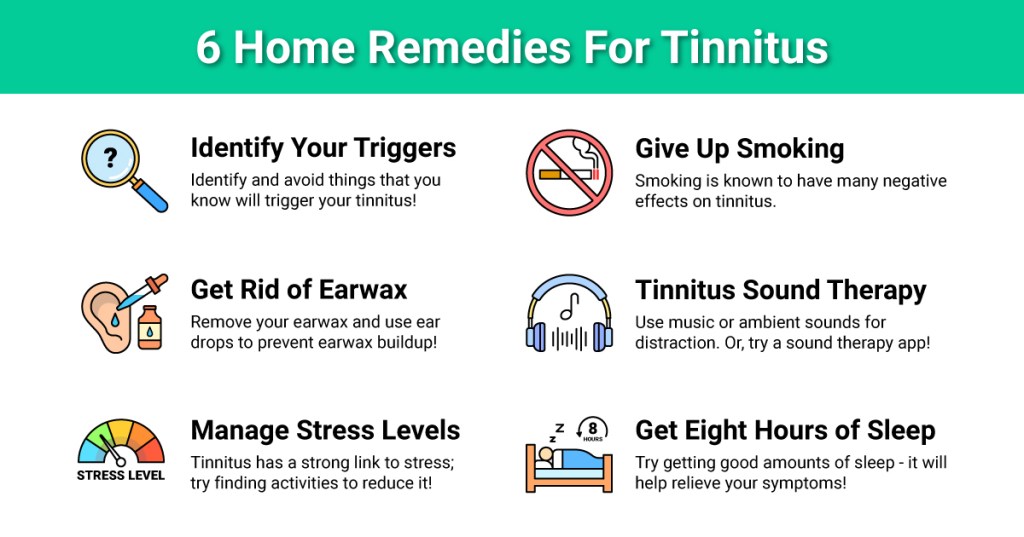
    One of the most effective ways to cope with tinnitus is through sound therapy. This involves using external noises to mask or distract from the internal ringing. White noise machines, nature sounds, or gentle music can provide a soothing backdrop that helps diminish the prominence of tinnitus. Experimenting with different sounds can help you discover what works best for you.

    2. Mindfulness and Meditation

    Practicing mindfulness and meditation can significantly reduce the stress and anxiety often associated with tinnitus. By focusing on the present moment and accepting the tinnitus without judgment, you can cultivate a sense of peace and detachment from the noise. Guided meditations, which are widely available online, can offer structured support in developing a regular practice.

    3. Breathing Exercises

    Deep breathing exercises can help calm the nervous system and reduce stress levels. By focusing on your breath, you can divert attention away from the tinnitus and promote relaxation. Techniques such as diaphragmatic breathing or the 4-7-8 method can be particularly effective.

    4. Physical Activity

    Engaging in regular physical activity can be a powerful way to manage tinnitus. Exercise releases endorphins, the body’s natural stress relievers, which can help improve mood and reduce the perception of tinnitus. Activities like walking, yoga, or tai chi can provide both physical and mental benefits.

    5. Creating a Relaxing Environment

    Your environment can significantly impact your ability to relax. Creating a calming space with dim lighting, comfortable seating, and soothing scents can help you unwind. Incorporating elements like plants or artwork that bring you joy can also contribute to a more peaceful atmosphere.

    6. Professional Support

    Sometimes, professional intervention may be necessary. Cognitive-behavioral therapy (CBT) has been shown to be effective for many tinnitus sufferers. It helps change the negative thought patterns and behaviors associated with tinnitus, reducing its impact on your life. Audiologists or tinnitus specialists can also provide personalized advice and treatment options.

    Conclusion

    Living with tinnitus can be challenging, but it doesn’t have to dictate your quality of life. By exploring a combination of sound therapy, mindfulness, physical activity, and professional support, you can find effective ways to manage the condition and achieve relaxation. Remember, everyone’s experience with tinnitus is unique, so it may take time and experimentation to discover what techniques work best for you. With patience and persistence, it is possible to reclaim a sense of peace and well-being.

    Relaxing with Tinnitus: Frequently Asked Questions

    What is tinnitus, and why does it make relaxing difficult?

    Tinnitus is often described as a ringing, buzzing, or hissing sound in the ears without an external source. It can make relaxing hard because the noise competes with quiet environments, drawing attention and interrupting the brain’s ability to unwind.

    Can masking techniques help with relaxation?

    Yes, sound masking can help. Playing white noise, nature sounds, or soft music can drown out the tinnitus, making it less noticeable and easier to relax. Many people use white noise machines, apps, or even a fan to create a calming background sound.

    How can mindfulness or meditation aid in relaxation?

    Mindfulness and meditation can reduce stress and change how you react to tinnitus. By focusing on breathing or an external point of attention, you can train your mind to acknowledge tinnitus without fixating on it. This practice makes it easier to relax and lowers the emotional burden of the condition.

    Does stress make tinnitus worse?

    Stress can heighten your perception of tinnitus and increase its intensity. Reducing stress through techniques like deep breathing, physical activity, or mindfulness can lessen the severity and make relaxing easier.

    What kind of physical exercises can improve relaxation for tinnitus sufferers?

    Gentle exercises like yoga, tai chi, or walking can promote relaxation and reduce stress levels. These activities also improve circulation, which some people find helpful in managing tinnitus.

    Are relaxation apps or guided sessions useful for tinnitus?

    Yes, relaxation apps designed for breathing exercises, guided meditation, or sound therapy can be highly effective. Look for ones that include tones or frequencies tailored for tinnitus masking.

    How does avoiding silence help with relaxation?

    Quiet environments can make tinnitus more noticeable. Adding soft background sounds, like a fan, calming music, or nature recordings, can reduce the prominence of the ringing and create a more soothing atmosphere.

    Can lifestyle changes improve my ability to relax with tinnitus?

    Absolutely. Eating a balanced diet, staying hydrated, avoiding excessive caffeine or alcohol, and maintaining a regular sleep schedule can all improve how the body handles stress and tinnitus-related discomfort.

    Should I avoid complete silence when trying to sleep?

    Yes, complete silence can amplify tinnitus. Use a white noise machine, gentle music, or a fan to create soft, consistent background noise. These tools can help you relax and fall asleep more easily.

    What role does professional therapy play in relaxation?

    Therapies like cognitive behavioral therapy (CBT) or tinnitus retraining therapy (TRT) can teach you how to manage your emotional response to tinnitus. These methods often include relaxation strategies to help you cope better.

    Can certain foods or habits worsen tinnitus and disrupt relaxation?

    Some people find that high-sodium foods, caffeine, or alcohol increase tinnitus. Avoiding these triggers can reduce the intensity of the sound and make it simpler to relax.

    Is there an ideal environment for relaxation with tinnitus?

    Yes, it helps to create a calm space with soft lighting, comfortable seating, and low, consistent background noise. Avoid overly noisy locations or complete silence, as both can make tinnitus more intrusive.

    Can tinnitus go away on its own, making relaxation easier over time?

    Tinnitus might fade or become less noticeable, especially if it’s related to temporary factors like stress or an ear infection. In chronic cases, learning relaxation techniques and managing stress often makes it easier to live with. Always consult a medical professional for guidance.

    What should I do if tinnitus keeps me from relaxing despite trying these tips?

    If tinnitus continues to affect your ability to rest, consult an audiologist or ENT specialist. They can evaluate your condition, rule out underlying causes, and suggest tailored treatments or therapies to improve your quality of life.


  • If you’re living with tinnitus, you’re already familiar with the constant ringing or buzzing that never seems to fade. It’s exhausting, frustrating, and often feels like there’s no solution. Tinnitus treatment pills offer a glimmer of hope by targeting the root causes behind that persistent noise. This post will guide you through what these pills are, how they work, and what you should know before considering them.

    What Are Tinnitus Treatment Pills?

    Tinnitus treatment pills are dietary supplements or medications designed to relieve the symptoms of tinnitus. These pills often contain a combination of vitamins, minerals, and herbal extracts purported to support ear health and reduce the severity of tinnitus. It is crucial to differentiate between prescription medications specifically targeting auditory issues and over-the-counter supplements that claim to assist with tinnitus.

    Common Ingredients in Tinnitus Treatment Pills

    1. Ginkgo Biloba: This herbal extract is believed to improve blood circulation and has been used in traditional medicine to treat various auditory issues, including tinnitus.

    2. Zinc: Some studies suggest that zinc deficiency may be linked to tinnitus. Supplementation with zinc could potentially alleviate symptoms for individuals with low zinc levels.

    3. Vitamin B12: A deficiency in Vitamin B12 has been associated with tinnitus in some cases. Supplementation might help improve symptoms in those who are deficient.

    4. Magnesium: Known for its role in nerve function, magnesium supplements are sometimes used to help manage tinnitus symptoms.

    5. Melatonin: This hormone, commonly associated with sleep regulation, has been studied for its potential in reducing tinnitus severity, particularly in cases where sleep disturbances are a significant issue.

    Efficacy of Tinnitus Treatment Pills

    The effectiveness of tinnitus treatment pills varies significantly among individuals. While some users report noticeable improvements, others may experience little to no change. Scientific research on these supplements is ongoing, and results have been mixed. It is essential for individuals to maintain realistic expectations and understand that these supplements may not work for everyone.

    Considerations Before Using Tinnitus Treatment Pills

    1. Consult a Healthcare Professional: Before starting any new supplement regimen, it is vital to consult with a healthcare provider, especially if you are currently taking other medications or have underlying health conditions.

    2. Research and Reviews: Investigate the product thoroughly, looking at clinical studies, user reviews, and the reputation of the manufacturer to ensure credibility.

    3. Potential Side Effects: Like any supplement or medication, tinnitus treatment pills can have side effects. Be aware of any adverse reactions and discontinue use if necessary.

    4. Realistic Expectations: Understand that while some individuals find relief with these supplements, they are not a guaranteed solution and should be considered as part of a broader management plan for tinnitus.

    5. Lifestyle and Holistic Approaches: Consider incorporating lifestyle changes and holistic approaches alongside supplements. Stress reduction techniques, sound therapy, and cognitive behavioral therapy (CBT) can complement the use of treatment pills.

    Conclusion

    Tinnitus treatment pills offer a potential avenue for symptom relief, though their efficacy can be highly individual. With a wide range of products available, it is crucial for consumers to exercise due diligence and consult healthcare professionals when exploring these options. Ultimately, a comprehensive approach that includes lifestyle changes, medical advice, and possibly supplements may offer the most effective strategy for managing tinnitus symptoms.

  • Have you ever wondered if there’s a link between tinnitus and dementia? Recent studies have begun to highlight a potential link between tinnitus and an increased risk of developing dementia. Understanding this connection is crucial for those experiencing tinnitus, especially as awareness of cognitive health grows. Let’s explore what tinnitus is, how it affects daily life, and what the latest research says about its potential implications for dementia risk.

    What is Tinnitus?

    Tinnitus refers to the perception of sound when there is no external source. People often describe these sounds as ringing, buzzing, hissing, or humming. The experience can vary greatly, with some individuals hearing a steady tone, others experiencing intermittent sounds, and some even facing multiple auditory sensations.

    The symptoms of tinnitus can significantly impact daily life. Those afflicted might struggle with concentration, experience sleep disturbances, or feel anxious and depressed. As the sounds become more prominent or persistent, managing the condition can feel overwhelming.

    Types of Tinnitus

    Tinnitus can be classified into two primary types: subjective and objective.

    • Subjective Tinnitus: This is the most common type, characterized by sounds that only the affected individual can hear. This form often stems from underlying conditions such as hearing loss, noise exposure, or earwax buildup.
    • Objective Tinnitus: This is rare and can be detected by a healthcare professional using specialized equipment. It often has known causes, including blood vessel disorders or muscle contractions.

    Understanding these types can help identify potential causes and tailor appropriate treatment options.

    Prevalence of Tinnitus

    Statistics on tinnitus reveal a concerning trend. Approximately 15-20% of the population experiences some form of tinnitus. Its prevalence increases with age, particularly among older adults. Research indicates that nearly 30% of those aged 65 and older report experiencing tinnitus. Given the aging population, this number may continue to rise.

    The Growing Concern of Dementia

    Dementia is an umbrella term for a range of neurological disorders that impact memory, thinking, and social abilities. Alzheimer’s disease is the most common form, but other types include vascular dementia and Lewy body dementia. Understanding the risk factors associated with dementia is essential, especially as they can guide prevention and treatment efforts.

    Statistics on Dementia

    Dementia has emerged as a significant public health concern. Current estimates suggest that over 50 million people worldwide are living with dementia, a number that could reach 152 million by 2050. The aging population, along with rising life expectancies, contributes to this alarming trend.

    Symptoms and Diagnosis of Dementia

    Early signs of dementia can vary greatly. Some individuals may experience forgetfulness, confusion, or difficulty following conversations. Diagnosis typically involves a thorough evaluation, which may include physical exams, neurological tests, and mental assessments. Recognizing these symptoms early is vital for effective management.

    Recent Research on Tinnitus and Dementia Link

    Recent studies have begun to examine the relationship between tinnitus and dementia risk. Research suggests a notable connection, indicating that individuals with tinnitus may be at a higher risk of developing cognitive decline over time.

    Study Findings

    A study published in The Journal of Aging Research assessed over 2,400 adults and found that those reporting tinnitus had a significantly higher risk of cognitive impairment. Another research effort indicated that individuals with persistent tinnitus demonstrated more pronounced cognitive difficulties compared to those without tinnitus.

    These findings suggest a need for increased awareness and proactive approaches for those with tinnitus, particularly older individuals.

    Mechanisms Behind the Connection

    While the exact mechanisms linking tinnitus and dementia are still under investigation, several theories exist. One potential explanation involves the brain’s response to perceived auditory stimuli. Chronic tinnitus may lead to alterations in the brain’s structure and function, which could contribute to cognitive decline.

    Additionally, the stress and anxiety associated with tinnitus can negatively impact mental health, further complicating cognitive health. Understanding these biological and psychological pathways can help in developing more effective prevention and treatment strategies.

    Implications for Prevention and Treatment

    Understanding the connection between tinnitus and dementia opens doors for prevention and treatment approaches. It’s vital for those experiencing tinnitus to take steps that may reduce their risk of cognitive decline.

    Managing Tinnitus to Reduce Risks

    Here are some effective ways to manage tinnitus:

    • Consult a medical professional: A healthcare provider can help identify underlying causes and recommend appropriate treatment.
    • Use sound therapy: White noise machines or apps can help mask tinnitus sounds, making them less intrusive.
    • Engage in relaxation techniques: Activities such as yoga, meditation, and deep breathing can alleviate stress, which may worsen tinnitus.
    • Avoid irritants: Exposure to loud noises or caffeine can exacerbate symptoms, so try to limit these triggers whenever possible.

    Cognitive Health Strategies

    In addition to managing tinnitus directly, adopting proactive cognitive health strategies can be beneficial:

    • Stay socially active: Engaging in social activities fosters connections, which can strengthen mental health.
    • Mental exercises: Activities like puzzles, games, and reading can help keep the mind sharp.
    • Regular physical exercise: Staying active supports overall health and may lower the risk of cognitive decline.
    • Healthy diet: A balanced diet rich in nutrients, antioxidants, and omega-3 fatty acids can support brain health.

    Conclusion

    The emerging link between tinnitus and dementia underscores the importance of understanding and managing these conditions. Increased awareness can empower individuals to take action that may mitigate risks associated with cognitive decline. If you or someone you know experiences tinnitus, seeking help and exploring management strategies is essential. By prioritizing both auditory and cognitive health, we can aim for a healthier future. Always consult a healthcare provider for personalized advice and support.

  • If you’ve just recovered from a cold and now hear a persistent ringing in your ears, you’re not alone. Many people notice tinnitus starting shortly after an illness, especially a cold. The congestion and inflammation caused by a cold can disrupt the delicate balance in your ears, leading to this frustrating symptom. In this post, we’ll explore why this happens and what steps you can take to find relief.

    Understanding Tinnitus

    Tinnitus is not a condition itself but a symptom of various underlying issues. It typically shows up as a ringing, buzzing, or hissing sound in the ears, though what I experience might differ from your reality.

    Types of Tinnitus

    Tinnitus can generally be classified into two types: subjective and objective.

    • Subjective Tinnitus: This is the most common form, where only the person experiencing it can hear the sounds. It’s caused by conditions like hearing loss or exposure to loud noises.
    • Objective Tinnitus: This rarer form can be detected by a doctor during an examination. It often stems from issues such as blood vessel problems or muscle contractions near the ear.

    Prevalence of Tinnitus

    Statistics show that tinnitus affects a significant number of people. Approximately 15% to 20% of adults experience it at some point in their lives. It’s more common in older adults, but it can happen to anyone. My own experiences with colds make me wonder how many others are facing this same issue as they recover from illness.

    How a Cold Can Trigger Tinnitus

    Colds come with a host of symptoms, and during this time, various physiological changes in our body can impact our ears. As I learned, certain factors during a cold can lead to the unsettling noise of tinnitus.

    Eustachian Tube Dysfunction

    During a cold, the Eustachian tube the passage connecting the middle ear to the back of your throat can become inflamed. This inflammation leads to pressure imbalances in the ear, contributing to those annoying sounds I now associate with colds. When the tube isn’t functioning well, it can create feelings of fullness and discomfort in the ears.

    Middle Ear Infections

    Colds can also lead to middle ear infections, known as otitis media. When the infection sets in, fluid builds up behind the eardrum, creating a breeding ground for sound disturbances. I noticed that during a recent cold, when I developed an earache, my tinnitus flared up, making me realize the link between the two.

    Nasal Congestion and Its Effects

    As my nose stuffed up during a cold, I couldn’t help but notice the pressure changes in my ears—a common scenario. Nasal congestion impacts the way sound travels in the ear canal, affecting perception. This pressure can intensify existing tinnitus symptoms, making it vital to treat congestion effectively.

    Common Triggers of Tinnitus Following a Cold

    Understanding why tinnitus becomes louder after a cold often leads back to specific triggers. Here are a few that I’ve found that can exacerbate symptoms.

    Stress and Anxiety

    Stress levels can significantly affect how I perceive tinnitus. After a cold, I might worry about lingering symptoms, which creates a negative feedback loop—higher anxiety often means I hear the ringing more prominently. Managing stress through mindfulness and relaxation techniques can be a powerful way to mitigate these feelings.

    Fatigue and Sleep Deprivation

    Colds sap my energy levels, and fatigue can worsen tinnitus. A lack of restful sleep makes my body more sensitive to sound, intensifying the sensation of ringing or buzzing. Prioritizing rest and recovery is essential when I find myself grappling with both a cold and tinnitus.

    Exposure to Loud Noises

    After being ill, I find that my ears may be more sensitive. Returning to loud environments can amplify tinnitus symptoms. Being cautious about sound exposure and allowing my ears some quiet time can significantly make a difference.

    Management and Treatment Options

    While living with tinnitus after a cold can be challenging, several strategies can help manage its impact.

    Lifestyle Modifications

    Simplicity often reigns supreme in managing tinnitus. I’ve learned that certain lifestyle changes can create a more soothing environment for my ears:

    • Stay Hydrated: Drinking plenty of fluids helps maintain ear health.
    • Limit Caffeine and Alcohol: Both can worsen tinnitus symptoms for some people, so cutting back made sense after my colds.
    • Practice Relaxation Techniques: Yoga or meditation can significantly reduce stress levels and help manage tinnitus.

    Medical Treatments

    In some cases, medical intervention may be necessary. Doctors can prescribe medications to address underlying causes or recommend therapy specifically designed for tinnitus. Sound therapy, where soothing sounds mask the tinnitus, is one option many find beneficial.

    When to See a Doctor

    I always recommend not hesitating to seek professional help if tinnitus persists after recovering from a cold. It’s essential to get a thorough examination to rule out any serious conditions that might be causing or exacerbating the symptom. If you notice prolonged ringing or changes in hearing, it’s time to consult a healthcare provider.

    Conclusion

    Experiencing tinnitus after a cold can be confusing and distressing. By recognizing its common triggers and understanding the physiological changes that occur during illness, we can manage our symptoms more effectively. Through a combination of lifestyle changes, medical support, and stress management techniques, awareness is key to dealing with this unsettling aftereffect of colds. If nothing else, I’ve learned that being informed and proactive is crucial to navigating the noise of tinnitus.

  • Living with tinnitus doesn’t have to feel impossible. While the condition can be challenging, there are tinnitus treatments that work to ease the noise and improve day-to day living. From techniques that retrain your brain to targeted medical interventions, this guide will provide clear, actionable solutions to address the sounds disrupting your peace.

    Lifestyle Changes: The Foundation of Tinnitus Management

    When it comes to managing tinnitus, your daily habits can make a bigger impact than you might think. Small tweaks in your lifestyle can help reduce the intensity of symptoms and stop them from getting worse.

    Reducing Exposure to Loud Noises

    Think of your ears like a pair of fragile speakers once they’re damaged, they don’t work the same. Regular exposure to loud environments, like concerts, construction sites, or even high-volume headphone use, can worsen tinnitus. Protect your ears by wearing earplugs in noisy areas and keeping your listening volume moderate. Preventing further damage is one of the best steps toward long-term relief.

    Managing Stress and Anxiety

    Have you ever noticed that your tinnitus gets louder when you’re stressed out? That’s because stress and anxiety can amplify the brain’s perception of the ringing sound. Activities like meditation, yoga, and deep breathing exercises help calm the nervous system, making tinnitus less noticeable. Even a 10-minute daily mindfulness practice can offer relief over time.

    Healthy Diet and Adequate Sleep

    Food and sleep aren’t just basic needs they’re key players in managing tinnitus. Cutting back on stimulants like caffeine and alcohol can help reduce the ringing in your ears. Both can overstimulate the nervous system, making tinnitus feel louder. Additionally, aim for consistent, restful sleep. A set sleep schedule paired with a relaxing bedtime routine can significantly improve how your brain processes tinnitus.

    Medical Treatments for Tinnitus

    If lifestyle adjustments alone aren’t enough, there are several medical treatments that provide relief. These approaches focus on addressing the condition’s intensity and helping patients cope better.

    Sound Therapy and Masking Techniques

    Sound therapy works by introducing background noises that mask or distract from the ringing in your ears. Many devices, like white noise machines or smartphone apps, are designed specifically for this purpose. Some even mimic calming sounds like waterfalls or gentle rain. Over time, sound therapy can train your brain to focus less on the tinnitus and more on external sounds.

    Cognitive Behavioral Therapy (CBT)

    Tinnitus isn’t just a physical issue it’s also mental. Cognitive-behavioral therapy helps reframe how you react to the condition. Instead of focusing on the frustration, CBT teaches techniques to manage the stress and emotional toll associated with tinnitus. Research shows that patients who undergo CBT often experience a significant reduction in how much tinnitus bothers them.

    Medications and Supplements

    While there isn’t a one-size-fits-all pill for tinnitus, certain medications can help in specific cases. For example, antidepressants or antianxiety drugs might be prescribed if tinnitus is affecting your mental health. Supplements like magnesium, zinc, or ginkgo biloba have also been studied for their potential benefits. Although results vary, some people find relief using these options, especially if their symptoms stem from nutritional deficiencies.

    Emerging and Alternative Treatments

    In recent years, new treatments for tinnitus have been gaining attention. Some focus on advanced technology, while others explore natural or traditional methods.

    Technology-Based Solutions

    Neuromodulation is a promising area in tinnitus treatment. It uses devices that deliver targeted electrical or sound signals to retrain the brain’s auditory pathways. Another approach, biofeedback therapy, monitors your body’s stress responses and teaches you how to control them. While still under research, these methods show promise for long-term relief.

    Herbal Remedies and Acupuncture

    Natural treatments like acupuncture and herbal supplements are often worth exploring, especially for those seeking alternative options. Ginkgo biloba, for instance, has been studied for its ability to improve blood flow, potentially reducing tinnitus severity. Acupuncture, a traditional Chinese practice, aims to restore balance in the body and has shown mixed results for tinnitus relief. While these may not work for everyone, they could complement other treatments.

    Conclusion

    If you’re struggling with tinnitus, it’s important to know that help is available. Lifestyle changes like protecting your ears, managing stress, and maintaining healthy habits can alleviate symptoms for many. For more severe cases, medical treatments such as sound therapy, cognitive behavioral therapy, and even emerging technologies offer additional options.

    Everyone’s experience with tinnitus is unique, and finding the right solution might take some time. Always consult a specialist to determine the best treatment plan for your specific needs. With persistence and the right approach, relief is possible. Don’t let tinnitus take control of your life you have options that truly work.

  • Tinnitus can have many underlying causes, including exposure to loud noise, ear infections, or even stress. While most cases are temporary and resolve on their own, there are times when tinnitus signals a more serious issue. Knowing when to consult a specialist for tinnitus is critical for your overall ear health and peace of mind.

    Let’s break down the key signs and situations where seeking professional help is essential, the types of specialists who can assist, and how they tackle this condition.

    When Should You See a Specialist for Tinnitus?

    Tinnitus isn’t always a cause for concern, but there are specific situations where medical advice can make all the difference. Ignoring certain symptoms or delaying treatment could lead to complications or missed opportunities for effective care.

    Persistent or Worsening Symptoms

    For many people, tinnitus comes and goes, lasting only a few minutes or days. However, if the sounds you’re hearing persist beyond a couple of weeks, it’s time to pay attention. Chronic tinnitus—lasting more than three months—is particularly concerning, especially if it seems to be getting louder or more intrusive over time.

    Persistent symptoms should be evaluated by a specialist to rule out underlying causes like hearing loss, circulation issues, or neurological problems. Think of tinnitus as your body’s alarm system. If it keeps going off, it’s worth figuring out why.

    Sudden Onset of Tinnitus

    Did your tinnitus start suddenly, seemingly out of nowhere? This type of tinnitus can sometimes indicate serious issues, especially if it’s accompanied by other symptoms. For example, sudden hearing loss paired with tinnitus could point to an ear injury or a condition like sudden sensorineural hearing loss (SSNHL), which requires immediate treatment.

    Even without additional symptoms, a sudden onset of tinnitus shouldn’t be ignored. Seeking a specialist early on provides the best chance for identifying the cause and restoring your comfort.

    Associated Symptoms You Shouldn’t Ignore

    Tinnitus rarely exists in isolation. If it’s accompanied by the following symptoms, you’ll want to consult a specialist sooner rather than later:

    • Hearing loss: Struggling to hear conversations or subtle sounds could signal damage to the inner ear.
    • Dizziness or vertigo: These symptoms might indicate an inner ear disorder like Ménière’s disease.
    • Ear pain or pressure: Persistent discomfort, alongside tinnitus, may point to an ear infection or other medical issue.

    Pay close attention to any combination of symptoms, and trust your gut. If something feels off, it’s better to get it checked out.

    What Types of Specialists Treat Tinnitus?

    Tinnitus is a complex condition, which often requires input from specialists who focus on ear health, hearing, and related fields. Knowing who to consult can simplify the process and help you get the right care.

    Role of an Audiologist

    An audiologist is a great starting point for managing tinnitus. These professionals are trained to assess hearing and ear-related problems. They’ll often begin with a hearing test to evaluate how tinnitus impacts your auditory system. Based on the results, they may recommend treatments like sound therapy, hearing aids with masking features, or other non-invasive options.

    Audiologists often act as your partner in tinnitus care, collaborating with other experts when necessary to ensure you’re getting comprehensive treatment.

    When to Consult an ENT Specialist

    If your tinnitus seems connected to an underlying medical condition, an ENT (ear, nose, and throat) specialist—also known as an otolaryngologist—might be the best option. These doctors are skilled in diagnosing and treating problems like ear infections, impacted earwax, and even structural abnormalities in the ear.

    ENT specialists can also investigate whether tinnitus is linked to issues with your sinuses, jaw (TMJ disorders), or blood flow in the head and neck, providing targeted treatments based on their findings.

    Treatment Options and Managing Tinnitus with Expert Help

    Once you’ve consulted a specialist, they’ll work with you to develop a personalized treatment plan. The good news? While there’s no universal cure for tinnitus, there are many ways to reduce its impact and improve your quality of life.

    Medical Interventions for Tinnitus

    Specialists often recommend a combination of therapies, which may include:

    • Medication: In some cases, medications like low doses of antidepressants or antianxiety drugs might help manage symptoms.
    • Sound therapy: Masking devices, white noise machines, or even apps designed to produce soothing sounds can make tinnitus less noticeable.
    • Cognitive Behavioral Therapy (CBT): This form of talk therapy helps you shift the way you respond to tinnitus, reducing its psychological impact over time.

    If your tinnitus is linked to a specific condition like high blood pressure or an ear infection treating the underlying issue is often the first step toward relief.

    Lifestyle Adjustments That Can Help

    Specialists often emphasize that certain everyday changes can go a long way in managing tinnitus symptoms. Consider the following:

    • Stress management: Chronic stress can amplify tinnitus. Practices like mindfulness, yoga, or therapy can help you relax.
    • Hearing protection: Avoid loud environments when possible, and wear earplugs or earmuffs if you’re exposed to high noise levels.
    • Dietary choices: Caffeine, nicotine, and alcohol can sometimes make tinnitus worse. Reducing or eliminating these stimulants may improve your symptoms.

    These strategies complement professional care, creating a holistic approach to managing tinnitus.

    Conclusion

    Tinnitus may not always signal a serious problem, but it’s an issue you shouldn’t ignore when it persists, worsens, or occurs alongside other concerning symptoms. Consulting a specialist for tinnitus can provide clarity, identify underlying causes, and connect you with effective treatments and lifestyle solutions.

    Remember, your hearing health is closely tied to your overall well-being. Seeking help from an audiologist, ENT specialist, or both can make an enormous difference in how you experience and manage tinnitus. Don’t let it disrupt your life take action and prioritize your ear health today.

  • Do you ever wonder if your morning coffee could be affecting your ears? For those managing tinnitus a persistent ringing or buzzing sound caffeine often comes into question. Some believe it worsens symptoms, while others disagree. This post will explore the relationship between caffeine and tinnitus, helping you understand whether your daily habits might be playing a role.

    Understanding Tinnitus

    Tinnitus isn’t a disease but rather a symptom of an underlying issue. It can stem from various causes, including prolonged exposure to loud noise, age-related hearing loss, ear infections, or even certain medications. For many, the exact cause remains unclear.

    Symptoms of tinnitus vary widely, from mild background noise that’s easy to ignore to a louder, constant sound that disrupts daily activities. The condition can impact mental well-being, causing anxiety or sleep disturbances. Because tinnitus is so complex, sufferers often seek out lifestyle or dietary triggers to better manage their symptoms.

    Caffeine’s General Effects on the Body

    Caffeine, naturally found in coffee, tea, chocolate, and some energy drinks, is a stimulant that impacts the central nervous system. It temporarily boosts energy levels, alertness, and mood. Many people rely on it to kick start their day or stay awake during long hours.

    Physiologically, caffeine increases heart rate and stimulates the release of adrenaline, the “fight or flight” hormone. It can also raise blood pressure, especially in larger doses. While these effects are usually short-lived, regular caffeine consumption can influence overall health, including sleep patterns and stress levels. Considering how caffeine interacts with the body, it’s worth asking whether it could also affect auditory systems tied to tinnitus.

    Caffeine and the Auditory System

    When it comes to how caffeine relates to hearing, the evidence is mixed. Caffeine is known to constrict blood vessels, which could potentially affect the inner ear’s oxygen supply. Since healthy blood flow is critical for proper auditory function, some experts speculate that high caffeine intake might worsen tinnitus in certain individuals.

    It’s also worth noting that the nervous system’s heightened activity after caffeine consumption might amplify the perception of tinnitus for those sensitive to it. However, this connection isn’t fully understood, and more research is needed to pinpoint the exact mechanisms involved.

    Potential Benefits of Caffeine for Health

    Despite some concerns, caffeine isn’t all bad. It has several documented health benefits. Moderate consumption can support brain function, enhancing focus and memory. It’s also linked to improved metabolism and physical performance, making it a popular choice for athletes.

    Some studies show that caffeine may even have protective effects against certain neurological diseases like Parkinson’s and Alzheimer’s. By reducing fatigue and lifting mood, caffeine can enhance productivity and help people manage daily stressors—a potential plus for those with tinnitus.

    Exploring the Link Between Caffeine and Tinnitus

    Most discussions about caffeine and tinnitus revolve around whether caffeine intake worsens symptoms. The answer, however, isn’t straightforward. Scientific studies and anecdotal evidence have offered conflicting insights, leaving people with tinnitus and their healthcare providers searching for clarity.

    Case Studies and Scientific Evidence

    Some research has suggested that caffeine might aggravate tinnitus for certain individuals. For instance, the stimulant effects of caffeine could heighten awareness of the ringing or buzzing, making it harder to tune out. Meanwhile, other studies have found no significant link between caffeine consumption and the severity of tinnitus symptoms.

    Interestingly, one large-scale study found that higher caffeine intake was actually associated with a lower risk of developing tinnitus in women. The researchers suggested that regular caffeine use might have a protective effect on auditory health. However, these findings don’t apply to everyone, and the relationship between caffeine and tinnitus remains far from conclusive.

    Differing Opinions Among Healthcare Professionals

    Healthcare providers are divided on whether people with tinnitus should cut back on caffeine. Some recommend limiting or avoiding it as a precautionary measure, especially if it appears to worsen symptoms. Others argue that there’s no strong evidence to justify caffeine restrictions for tinnitus patients and caution against unnecessary lifestyle changes.

    The differing opinions likely stem from how tinnitus impacts each person differently. While some individuals report noticeable changes after reducing caffeine, others experience no improvement. This variability highlights the need for personalized advice based on individual experiences and responses.

    Practical Tips for Tinnitus Management

    Tinnitus management requires a multi-faceted approach. Since everyone’s triggers and symptoms are unique, a trial-and-error process can help identify what works best for you. Here are some actionable strategies:

    Trial and Error: Finding Personal Triggers

    Start by keeping a symptom diary. Record your daily caffeine consumption, along with the timing and severity of your tinnitus symptoms. After a few weeks, you may notice patterns that indicate whether caffeine is a potential trigger.

    If you suspect that caffeine worsens your tinnitus, try cutting back gradually rather than quitting cold turkey. Abrupt withdrawal can cause headaches and irritability, which might exacerbate your symptoms temporarily. Consider switching to decaf or herbal tea as alternatives.

    Lifestyle Changes to Reduce Tinnitus Symptoms

    Beyond caffeine, several lifestyle adjustments can help manage tinnitus:

    • Manage stress: Use relaxation techniques like deep breathing, yoga, or meditation to reduce tension that can intensify tinnitus.
    • Prioritize sleep: Create a bedtime routine that promotes restorative sleep, avoiding excessive screen time or heavy meals before bed.
    • Maintain hydration: Dehydration can affect blood flow and overall body function, potentially worsening tinnitus. Drink plenty of water throughout the day.
    • Avoid loud environments: Protect your ears in noisy settings with earplugs or noise-canceling headphones.
    • Seek professional guidance: A hearing specialist or audiologist can help identify additional management strategies tailored to your needs.

    Conclusion

    The relationship between caffeine and tinnitus remains an area of ongoing investigation. While some people find that limiting caffeine improves their symptoms, others notice no change or even benefit from their regular coffee habit. This variability underscores the importance of taking a personalized approach to tinnitus management.

    If you suspect caffeine is a contributing factor, experimenting with intake levels and monitoring symptoms can provide valuable insights. Ultimately, managing tinnitus involves more than just adjusting your diet. By incorporating healthy habits, reducing stress, and seeking professional support, you can take meaningful steps toward improving your quality of life.

    Remember, tinnitus doesn’t have to control your daily routine. With a proactive mindset and the right strategies, relief is possible.

  • When tinnitus strikes, it can turn the simplest moments like enjoying silence into challenges. The good news? You can take steps to calm the ringing. If you’ve been asking, “How do I stop tinnitus?” you’re in the right place. Let’s talk about actionable solutions to bring silence back into your life.

    What Causes Tinnitus?

    The causes of tinnitus vary widely and can depend on both external factors and internal health conditions. Some causes are temporary, while others may require long-term management.

    How Lifestyle Choices Contribute to Tinnitus

    Lifestyle habits can have a direct impact on tinnitus. Repeated exposure to loud noise—whether from concerts, headphones, or machinery can result in damage to the tiny hair cells in the inner ear, which are critical for sound processing. Once these cells are affected, the brain often misinterprets electrical signals, leading to the perception of phantom sounds.

    Stress and anxiety don’t just affect your mind—they influence your body in ways that can intensify tinnitus. High stress levels can actually increase the volume and persistence of ringing in your ears. Meanwhile, lack of sleep and poor dietary habits like consuming too much alcohol, caffeine, or sodium may exacerbate symptoms for some individuals.

    Medical Conditions Linked to Tinnitus

    Tinnitus can sometimes be linked to medical conditions that require attention. For example, people with Meniere’s disease, a disorder affecting the inner ear, often experience tinnitus as part of their symptoms. Similarly, temporomandibular joint (TMJ) dysfunction problems with the jaw joint near the ear can result in a clicking or ringing sound.

    Cardiovascular issues can also contribute to tinnitus. Problems like high blood pressure or atherosclerosis (narrowing of blood vessels) may create rhythmic sounds, known as pulsatile tinnitus. These cases warrant a medical evaluation, as treating the underlying issue may offer relief.

    Medications That Can Cause Tinnitus

    Certain medications have been known to trigger or worsen tinnitus. High doses of aspirin, for instance, are a common culprit. Other drugs, like some antibiotics, diuretics, and chemotherapy medications, carry tinnitus as a potential side effect. While not everyone will experience ringing from these treatments, it’s important to review your medications with a doctor if you suspect they might be contributing.

    How Do I Stop Tinnitus?

    Fortunately, there are several approaches to managing tinnitus. While complete elimination isn’t always possible, many strategies can significantly reduce its impact and help you live a more comfortable life.

    Lifestyle Changes to Reduce Tinnitus Symptoms

    Adjusting your daily habits can make a noticeable difference in reducing tinnitus symptoms. Here are a few practical steps:

    • Limit caffeine and alcohol: Both substances stimulate your nervous system and may intensify ringing. Cutting back could help restore balance.
    • Avoid loud environments: Protect your ears by reducing exposure to loud noises. Wearing earplugs in noisy situations can prevent further damage.
    • Practice relaxation techniques: Stress and anxiety worsen tinnitus for many people. Yoga, meditation, or deep breathing exercises can lower stress levels and ease symptoms.
    • Prioritize sleep: Poor sleep can amplify tinnitus, so aim for a consistent bedtime routine. A white noise machine or a fan can help mask ringing sounds and improve sleep quality.

    Medical Treatments and Therapies

    If lifestyle changes don’t provide enough relief, medical interventions may help:

    • Hearing aids: These devices not only improve hearing but can also reduce the perception of tinnitus by amplifying external sounds and masking internal noise.
    • Sound therapy: Listening to specific sounds or white noise can help retrain your brain to ignore tinnitus. Over time, the ringing may become less noticeable.
    • Cognitive behavioral therapy (CBT): This talking therapy focuses on changing how you react to tinnitus, helping you manage stress and reduce the emotional impact.
    • Tinnitus Retraining Therapy (TRT): A combination of sound masking and counseling, TRT helps patients develop long-term coping mechanisms to reduce awareness of their tinnitus.

    Natural Remedies and Supplements

    Some people turn to natural remedies or dietary supplements to find relief:

    • Magnesium and zinc: Both minerals play a role in ear health and may benefit some individuals with tinnitus. Foods rich in these nutrients or supplements may provide support.
    • Ginkgo biloba: This herbal remedy has been used to improve blood circulation in the ears, though results vary between individuals.
    • Acupuncture: While not scientifically proven to cure tinnitus, some people find that acupuncture treatments help reduce stress-related symptoms.

    It’s important to consult your doctor before starting any supplement or alternative therapy.

    When to See a Doctor

    There are times when tinnitus requires professional intervention. Knowing when to seek help can prevent further complications and provide clarity about your condition.

    Recognizing Tinnitus as a Symptom of a Larger Issue

    If your tinnitus appears suddenly or worsens over time, it could indicate a more serious problem. Conditions like acoustic neuroma (a benign tumor on the auditory nerve) or severe hearing loss may need immediate attention. Pulsatile tinnitus, which follows your heartbeat, should also be evaluated, as it can signal vascular issues.

    What to Expect During a Medical Consultation

    When you visit a doctor for tinnitus, they’ll likely start with a detailed medical history and a physical examination. You may undergo hearing tests to assess your auditory system or imaging scans, like an MRI, to rule out structural issues. Based on the findings, they’ll recommend treatment options suited to your specific situation.

    Conclusion

    Living with tinnitus can feel frustrating, but understanding the causes and available treatments is the first step toward relief. Whether it’s through lifestyle changes, medical therapies, or natural remedies, there are ways to manage tinnitus effectively. If symptoms persist or worsen, don’t hesitate to consult a healthcare provider—they can guide you toward the right solutions.

    While tinnitus may not disappear overnight, small, consistent steps toward better ear health can make a significant difference. Relief is possible, and with the right approach, you can regain a sense of calm and control in your life.

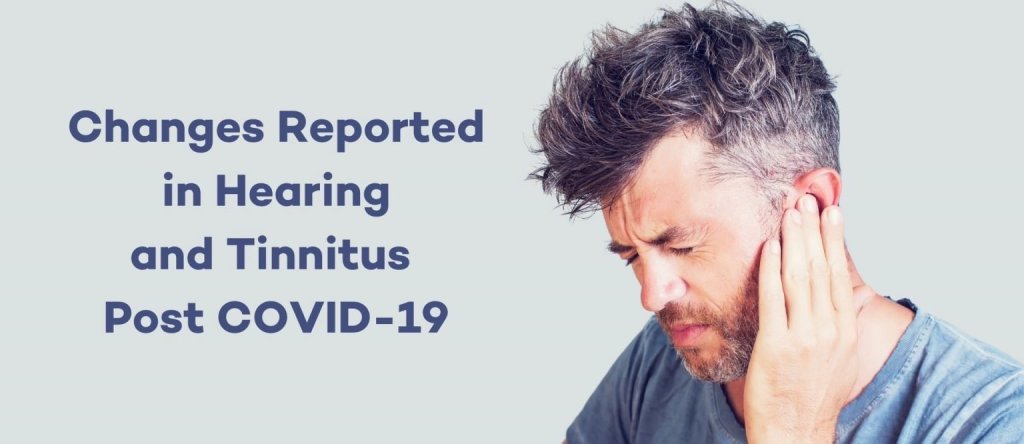
  • The COVID-19 pandemic has brought about numerous health challenges, both directly and indirectly affecting millions worldwide. Among the lesser-discussed issues is the potential worsening of tinnitus, a condition characterized by the perception of noise or ringing in the ears without an external sound source. As researchers delve deeper into the post-infection symptoms of COVID-19, the link between the virus and exacerbated tinnitus symptoms is becoming more apparent.

    Understanding Tinnitus

    Tinnitus affects an estimated 10-15% of the global population and can significantly impact an individual’s quality of life. The condition varies in severity, with some experiencing mild, intermittent noises and others enduring constant, debilitating sounds. Common causes include exposure to loud noises, ear infections, age-related hearing loss, and certain medications. Stress and anxiety are also known to exacerbate tinnitus symptoms.
    COVID-19 and Its Impact on Tinnitus

    Recent studies have begun to shed light on how COVID-19 may influence tinnitus. There are several potential pathways through which the virus could worsen the condition:

    1. Viral Effects on the Auditory System: COVID-19 is known to cause inflammation and damage in various parts of the body. It is plausible that the virus may directly affect the auditory system, leading to or worsening tinnitus. In some cases, patients have reported hearing loss or changes in hearing post-infection, which could be linked to intensified tinnitus.

    2. Stress and Anxiety: The psychological impact of the pandemic cannot be underestimated. Increased stress and anxiety, common during these uncertain times, are known triggers for tinnitus. The fear of illness, the stress of isolation, and the economic impact of the pandemic have collectively heightened anxiety levels, potentially exacerbating tinnitus in those already suffering and even triggering it in new cases.

    3. Ototoxic Medications: The treatment of COVID-19 sometimes involves medications that can be ototoxic, meaning they have the potential to damage the inner ear or auditory nerve. Such medications may contribute to the onset or worsening of tinnitus symptoms.

    4. Long COVID Syndrome: Many individuals experience lingering symptoms long after recovering from the initial infection, a condition often referred to as Long COVID. Tinnitus has been reported as one of these persistent symptoms, suggesting a possible long-term effect of the virus on auditory functions.

    Addressing Tinnitus in the Context of COVID-19

    For those experiencing worsened tinnitus post-COVID-19, several management strategies may help alleviate symptoms:

    Medical Consultation: It is essential for individuals to consult healthcare providers to rule out any underlying conditions and discuss appropriate treatment options, which may include sound therapy, cognitive behavioral therapy, or medication.

    Stress Management: Techniques such as mindfulness, meditation, and deep-breathing exercises can help manage stress and anxiety, potentially reducing tinnitus severity.

    Hearing Protection: Protecting ears from loud noises can prevent further damage and worsening of tinnitus symptoms. Individuals should be mindful of their auditory environment, especially in noisy settings.

    Support Networks: Engaging with support groups or therapy can provide emotional support and practical advice from others experiencing similar challenges.

    Conclusion

    As the world continues to navigate the complexities of the COVID-19 pandemic, understanding its broader health implications remains critical. Tinnitus, while often overshadowed by more acute symptoms, represents a significant challenge for many. Ongoing research is essential to fully understand the relationship between COVID-19 and tinnitus, paving the way for effective treatment and management strategies. By addressing both the physiological and psychological aspects of tinnitus, individuals can work towards mitigating the impact of this often-debilitating condition in the context of a global health crisis.

  • Can your evening drink impact your tinnitus? Many people with tinnitus wonder if alcohol makes their symptoms worse. While some notice a direct connection, others don’t experience any change. This post breaks down the relationship between tinnitus and alcohol, helping you understand potential triggers and manage your symptoms more effectively.

    Understanding Tinnitus

    Tinnitus isn’t a condition in itself but a symptom of an underlying issue. It’s the sensation of hearing sounds when no external source is present. For some, it presents as a faint hum, while others experience it as a loud, constant ringing.

    Common Causes of Tinnitus

    Tinnitus has many causes, and identifying the exact trigger isn’t always easy. Here are some of the most common:

    • Hearing Loss: One of the most frequent culprits is age-related or noise-induced hearing loss.
    • Exposure to Loud Noises: Listening to loud music, working in noisy environments, or attending concerts without ear protection can damage your hearing and lead to tinnitus.
    • Ear Infections or Blockages: Infections, wax buildup, or other obstructions in the ear can result in temporary tinnitus.
    • Medical Conditions: Issues such as high blood pressure, head or neck injuries, and even stress-related disorders can play a role.

    How Tinnitus Impacts Everyday Life

    Living with tinnitus can feel draining. The constant noise may interfere with sleep, making it tough to feel rested. Concentration suffers as the sounds become a relentless distraction. For some, tinnitus leads to emotional stress, anxiety, or depression, especially if they feel there’s no relief in sight. While not dangerous, tinnitus can diminish overall quality of life if not properly managed.

    Alcohol’s Effects on the Body and Hearing

    Alcohol affects the body in complex ways, and its impact on the auditory system shouldn’t be overlooked. While having a drink may relax you, the physical and neurological effects of alcohol can trigger or worsen tinnitus symptoms.

    How Alcohol Impacts the Nervous System

    Alcohol works as a depressant, meaning it slows down the central nervous system. This influences how your body processes auditory signals. Alcohol can interfere with nerve communication between the brain and ears, potentially amplifying the perception of tinnitus. Additionally, the dehydrating effects of alcohol can worsen symptoms, as dehydration can lead to heightened nerve and muscle sensitivity.

    The Relationship Between Alcohol and the Ears

    Alcohol alters blood flow, increasing circulation in certain areas of the body, including the inner ears. While this might seem harmless, that extra blood flow can cause a temporary spike in pressure within the ear, possibly making tinnitus sounds more noticeable. For some, alcohol may also heighten sensitivity to sound, further intensifying symptoms.

    Why Alcohol May Worsen Tinnitus

    Several mechanisms explain why alcohol and tinnitus don’t mix well:

    • Dehydration: Alcohol is a diuretic, meaning it causes your body to lose fluids. Dehydration reduces fluid levels in the inner ear, potentially worsening tinnitus.
    • Fluctuations in Blood Pressure: Drinking alcohol leads to changes in blood pressure, which can directly influence tinnitus symptoms.
    • Heightened Neurological Sensitivity: Tying everything together, alcohol changes how the brain processes sound, potentially making tinnitus louder or more intrusive.

    The Science Behind Tinnitus and Alcohol Consumption

    What does science have to say about tinnitus and alcohol? While research is somewhat limited, several studies shed light on the complex relationship.

    Research Studies and Findings

    Studies investigating tinnitus and alcohol often reveal mixed results. Many link alcohol consumption to increased tinnitus symptoms, particularly in individuals who drink excessively. These findings suggest that alcohol’s effects on the inner ear, nervous system, and cardiovascular system may play a role.

    However, some anecdotal reports from tinnitus sufferers note that small amounts of alcohol seem to provide temporary relief by promoting relaxation. This could be partially psychological, as stress reduction is a key factor in managing tinnitus.

    Conflicting Evidence and Theories

    Not all research agrees on the impact of alcohol. Some scientists argue that its effects may vary from person to person. For instance, individuals predisposed to high blood pressure or dehydration are likely to see a worsening of tinnitus, while others may not notice a significant difference. Factors like frequency and quantity of alcohol use can also influence outcomes.

    Coping Strategies for Managing Tinnitus and Alcohol Consumption

    If you live with tinnitus and suspect alcohol might make it worse, there are practical steps you can take to manage your symptoms.

    Reducing Alcohol Intake to Control Symptoms

    Start by monitoring how alcohol affects you. If you notice that your symptoms flare up after drinking, consider cutting down or eliminating alcohol from your routine. Even small reductions in consumption may lead to noticeable improvements. Instead of reaching for alcohol, try herbal tea, sparkling water, or alcohol-free alternatives to unwind.

    Lifestyle Changes to Support Tinnitus Management

    Alcohol isn’t the only factor you can control to improve tinnitus. Adopting healthy lifestyle habits can make a big difference:

    • Manage Stress: Stress is a known trigger for tinnitus. Practice relaxation techniques like meditation or deep breathing to stay calm.
    • Avoid Other Triggers: Loud noises, caffeine, and smoking can exacerbate tinnitus symptoms. Keep an eye on how these factors affect you.
    • Eat a Balanced Diet: A diet rich in vegetables, fruits, and lean proteins supports overall health, including your ears.
    • Stay Hydrated: Drinking plenty of water can counteract the dehydrating effects of alcohol.

    When to Seek Professional Advice

    It’s important to know when to turn to a doctor. If your tinnitus worsens significantly, changes in pattern, or comes with additional symptoms like dizziness or hearing loss, schedule a visit with a healthcare professional. An audiologist or ENT specialist can assess your hearing health and discuss whether alcohol might be contributing to your tinnitus.

    Conclusion

    The relationship between tinnitus and alcohol is complex, and its effects can vary widely between individuals. While some people find that alcohol worsens their symptoms, others don’t notice a major impact. Reducing your alcohol intake and making overall lifestyle changes can help you manage tinnitus more effectively. Above all, listen to your body and consult with a medical professional if you’re struggling. Understanding your personal triggers is key to finding relief and improving your quality of life.