


Home

  • Struggling with the constant hum of tinnitus can be exhausting, but meditation offers a different way to manage it. Tinnitus meditation isn’t a cure, but it can help you re-frame how you experience the condition. This practice is proven to reduce stress and improve focus, giving you valuable tools to handle the challenges of living with tinnitus.

    Understanding Tinnitus

    To appreciate how meditation can assist in managing tinnitus, it is essential to understand the nature of this condition. Tinnitus is often a symptom of underlying issues, such as hearing loss, ear injury, or circulatory system disorders. The phantom sounds experienced by tinnitus sufferers can vary in volume and pitch, making it a uniquely personal experience. This lack of external sound can lead to heightened awareness and anxiety, creating a vicious cycle where stress exacerbates tinnitus symptoms.

    Meditation: A Gateway to Inner Peace

    Meditation, a practice rooted in ancient spiritual traditions, has gained recognition in modern medicine for its numerous mental health benefits. Through techniques such as mindfulness, focused breathing, and visualization, meditation helps individuals cultivate awareness of the present moment and develop a non-reactive mindset. For those with tinnitus, meditation can serve as a powerful tool to redirect attention away from intrusive sounds and foster a sense of tranquility.

    The Science Behind Meditation and Tinnitus Relief

    Research supports the notion that meditation can influence the brain’s perception of tinnitus. Regular meditation practice is associated with changes in brain activity and structure, such as increased gray matter density in areas involved in sensory processing and emotional regulation. These changes can enhance an individual’s ability to manage stress and improve their capacity to live harmoniously with tinnitus.

    Meditation encourages the activation of the parasympathetic nervous system, which promotes relaxation and reduces stress levels. By lowering cortisol and adrenaline production, meditation can mitigate the impact of stress on tinnitus, potentially decreasing the severity of symptoms.

    Practical Meditation Techniques for Tinnitus

    1. Mindfulness Meditation: Focus on your breath and observe the sensations in your body without judgment. When thoughts or tinnitus intrude, gently guide your attention back to the breath, cultivating patience and acceptance.

    2. Guided Imagery: Use audio recordings or self-guided prompts to visualize serene environments. Imagining peaceful scenarios can draw attention away from tinnitus, providing mental respite.

    3. Body Scan Meditation: Progressively focus on each part of your body, from head to toe, noticing any tension or discomfort. This practice fosters awareness and relaxation, helping to shift focus away from tinnitus sounds.

    4. Loving-Kindness Meditation: Cultivate positive emotions by silently repeating phrases of goodwill and compassion towards yourself and others. This technique enhances emotional well-being, reducing the negative emotional response to tinnitus.

    Integrating Meditation into Daily Life

    Incorporating meditation into daily routines requires commitment but offers significant rewards. Start with short sessions, gradually increasing duration as comfort grows. Creating a dedicated, quiet space free from distractions can also enhance the effectiveness of meditation practice.

    While meditation is a beneficial tool, it is not a standalone solution for tinnitus management. A comprehensive approach, including medical evaluation, lifestyle adjustments, and sound therapy, often yields the best results. Consulting healthcare professionals can provide personalized guidance and ensure a holistic tinnitus management plan.

    Conclusion

    Tinnitus may be an unwelcome companion, but through the practice of meditation, individuals can learn to coexist with it more peacefully. By cultivating awareness, reducing stress, and enhancing emotional well-being, meditation provides a refuge from the constant noise, offering tinnitus sufferers a pathway to regain control and improve their quality of life. In the symphony of wellness practices, meditation’s calming notes stand out as a harmonious accompaniment to tinnitus management.


  • Tinnitus ear exercises, designed to soothe auditory discomfort, are gaining attention for their potential benefits. From relaxation techniques to targeted muscle movements, these exercises aim to reduce tension and improve overall ear health. If you’re looking for manageable and safe ways to address your symptoms, this guide offers clear, actionable advice backed by expert insight.

    Understanding Tinnitus and Its Causes

    Before delving into exercises, it’s important to understand tinnitus. Tinnitus itself is not a disease but a symptom that may result from various underlying conditions. Common causes include prolonged exposure to loud noises, ear infections, hearing loss, or even stress and anxiety. Managing the root causes can sometimes relieve symptoms but integrating specific exercises can further aid in reducing tinnitus discomfort.

    The Role of Ear Exercises

    Ear exercises primarily aim to increase circulation, promote relaxation, and improve general ear health. While not a guaranteed cure, regular practice of these exercises may contribute to a decrease in the intensity of tinnitus symptoms for some individuals.

    1. Neck and Jaw Exercises

    Tension in the neck and jaw can exacerbate tinnitus symptoms. Incorporating exercises that target these areas can be beneficial.

    – Neck Rotation: Slowly rotate your neck in a circular motion to the right, hold for a few seconds, and then rotate to the left. This exercise can relieve tension that might contribute to tinnitus. – Jaw Relaxation: Open your mouth as wide as you can comfortably manage, then gently move your jaw from side to side. This can alleviate pressure and stress around the ear area.

    2. Deep Breathing and Relaxation Techniques

    Stress is a known trigger for tinnitus. Deep breathing exercises can reduce stress levels, potentially easing tinnitus symptoms.

    – Diaphragmatic Breathing: Sit comfortably and place one hand on your chest and the other on your abdomen. Breathe in deeply through your nose, allowing your abdomen to rise rather than your chest. Exhale slowly, feeling your abdomen fall. Repeat for several minutes.

    3. Head and Shoulder Exercises

    These can relax muscles around the head and neck, improving circulation and potentially reducing tinnitus severity.

    Shoulder Shrugs: Raise your shoulders towards your ears and then release them back down. Repeat this movement in sets of ten.

    Head Tilts: Gently tilt your head towards your shoulder, hold for a few seconds, and then switch to the other side. This exercise helps release tension around the neck area.

    4. Sound Therapy and Auditory Exercises

    While not physical exercises, engaging in sound therapy can train the brain to focus away from tinnitus.

    White Noise Exposure: Listening to white noise or nature sounds can help mask the ringing and train your auditory system to adapt to ignoring tinnitus.

    Focused Listening: Spend time each day focusing on different layers of sounds in your environment. This practice can improve auditory focus and reduce the prominence of tinnitus sounds.

    Conclusion

    Though tinnitus can be a persistent and sometimes disruptive condition, incorporating ear and relaxation exercises can serve as a non-invasive way to manage symptoms. It’s important to remember that what works can vary greatly from person to person, and these exercises are part of a comprehensive approach that might include other treatments like medication or cognitive therapy.

    Before starting any new exercise routine, it is advisable to consult with a healthcare professional, particularly if your tinnitus is associated with any underlying health conditions. With patience and consistency, tinnitus exercises can become a beneficial addition to your daily wellness routine, potentially helping to quiet the persistent noise and restore peace to your life.

  • Living with tinnitus can feel isolating and overwhelming, but advancements in treatment are reshaping the outlook for patients. Emerging treatments for tinnitus, including neuromodulation and personalized sound therapies, are showing real promise in addressing persistent symptoms. By better understanding these new options, individuals can make informed decisions about their care and improve their quality of life.

    Current Treatments

    Conventional treatments typically include sound therapy, cognitive behavioral therapy (CBT), and hearing aids. Sound therapy uses external noise to mask the ringing sounds, while CBT helps patients cope with the psychological impacts of tinnitus. Hearing aids, on the other hand, improve hearing and reduce the prominence of tinnitus by amplifying external sounds.

    Emerging Treatments

    1. Neuromodulation Techniques: One of the most promising areas of research involves neuromodulation. This technique uses electrical or magnetic stimulation to alter nerve activity in the brain. Devices like transcranial magnetic stimulation (TMS) or transcutaneous vagus nerve stimulation (tVNS) target specific brain regions associated with tinnitus, offering potential relief by recalibrating brain activity.

    2. Pharmacological Advances: While no medication is specifically approved for tinnitus, researchers are exploring drugs that target neural pathways involved in auditory perception. For instance, studies on glutamate receptor antagonists and GABA modulators show potential in reducing tinnitus symptoms by influencing neurotransmitter activity.

    3. Gene Therapy: The frontier of gene therapy is also being explored in tinnitus treatment. By addressing genetic factors that contribute to hearing loss and tinnitus, scientists aim to repair or replace damaged cells within the auditory system, potentially reversing symptoms.

    4. Regenerative Medicine: Stem cell therapy and regenerative medicine are emerging as revolutionary approaches to treat hearing loss and tinnitus. These treatments focus on regenerating damaged hair cells in the inner ear, essential for sound perception, thereby addressing one of the root causes of tinnitus.

    5. Wearable Technology: Advanced wearable devices are being developed to offer real-time relief from tinnitus symptoms. Equipped with sophisticated sound-generating capabilities and sensors, these devices adapt to the user’s auditory environment, providing personalized sound therapy throughout the day.

    The Road Ahead

    While these emerging treatments offer hope, it’s important to acknowledge that research is ongoing, and not all therapies may be suitable for every individual. The complexity of tinnitus necessitates a personalized approach, often combining multiple treatment modalities to achieve the best results.

    As scientists continue to unravel the mysteries of tinnitus, the future looks promising for those affected by this condition. The convergence of neuroscience, technology, and medicine holds the potential to transform tinnitus management, offering relief and improving the quality of life for millions.

    In conclusion, while tinnitus remains a challenging condition, the advancements in emerging treatments provide a beacon of hope. Continued research and innovation are crucial in developing effective solutions, bringing us closer to a world where the silence of tinnitus is no longer an unattainable dream.

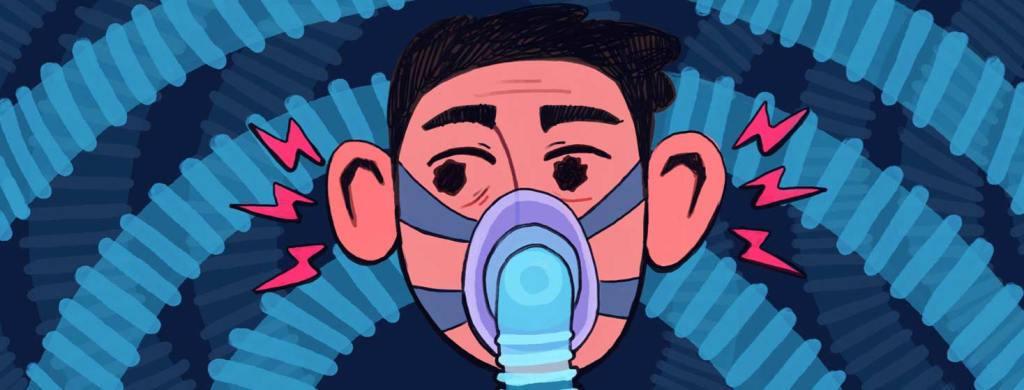
  • Tinnitus and sleep apnea are two distinct conditions that frequently intersect, impacting the quality of life for many individuals. While they may seem unrelated at first glance, emerging research suggests a potential link between the two, warranting a closer examination.

    Tinnitus: A Persistent Ringing

    Tinnitus is characterized by a persistent ringing, buzzing, or hissing sound in the ears that is not caused by external noise. It affects millions of people worldwide and can range from a mild inconvenience to a debilitating condition. Common causes include exposure to loud noises, ear infections, and age related hearing loss. Although tinnitus itself is not life threatening, it can significantly impact one’s quality of life, often leading to stress, anxiety, and sleep disturbances.

    Sleep Apnea: A Silent Night-Time Disruptor

    Sleep apnea is a sleep disorder where breathing repeatedly stops and starts during sleep. The most common form, obstructive sleep apnea (OSA), occurs when throat muscles intermittently relax and block the airway. This condition can lead to fragmented sleep and decreased oxygen levels in the blood, resulting in daytime fatigue, cardiovascular problems, and other health issues. Sleep apnea is often characterized by loud snoring, gasping for air during sleep, and excessive daytime drowsiness.

    Exploring the Connection

    Recent studies suggest there may be a connection between tinnitus and sleep apnea. While the exact nature of this relationship is still being explored, several hypotheses have been proposed. One theory suggests that the fragmented sleep caused by sleep apnea may exacerbate the perception of tinnitus. Lack of restorative sleep can heighten sensitivity to auditory stimuli, making tinnitus more pronounced.

    Another potential link is the shared risk factors between the two conditions. Both tinnitus and sleep apnea are more prevalent in individuals over the age of 40 and are associated with cardiovascular issues, obesity, and smoking. These overlapping risk factors may contribute to the coexistence of the two disorders in some individuals.

    Managing the Dual Challenge

    Addressing both tinnitus and sleep apnea can be challenging but is crucial for improving overall health and quality of life. For tinnitus, effective management strategies may include sound therapy, cognitive-behavioral therapy (CBT), and lifestyle modifications such as reducing caffeine and managing stress. Hearing aids can also be beneficial for those with hearing loss-related tinnitus.

    For sleep apnea, the most common treatment is continuous positive airway pressure (CPAP) therapy, which keeps the airways open during sleep. Lifestyle changes, such as weight loss, positional therapy, and avoiding alcohol, can also play a significant role in managing sleep apnea symptoms.

    Conclusion

    While the relationship between tinnitus and sleep apnea is still under investigation, it is evident that both conditions can significantly impact sleep quality and overall well-being. For individuals experiencing symptoms of either disorder, seeking medical advice is crucial. Early diagnosis and comprehensive management can lead to improved health outcomes and enhanced quality of life. As research continues, a deeper understanding of their connection may pave the way for more effective treatment strategies and improved care for those affected by these conditions.

  • One of the simplest and most accessible techniques to manage tinnitus is deep breathing. This natural method not only helps mitigate the effects of tinnitus but also reduces stress, which is often a key trigger. Let’s explore how deep breathing can make a difference.

    Benefits of Deep Breathing for Tinnitus

    Deep breathing may seem basic, but its benefits reach far beyond the surface. For those dealing with tinnitus, its effects can be especially significant. By practicing controlled breathing, you can calm your mind, ease physical tension, and improve your overall well-being, all of which can help reduce the impact of tinnitus.

    How Deep Breathing Helps Calm the Mind

    When you’re stressed, your body activates its “fight or flight” response. This increases your heart rate, releases stress hormones, and heightens feelings of tension—all of which can make tinnitus feel louder and more distressing. Deep breathing counters this process.

    Controlled breathing stimulates your parasympathetic nervous system, which is responsible for relaxation. The simple act of inhaling deeply and exhaling slowly signals to your body that it’s safe to calm down. Stress hormones like cortisol decrease, your heartbeat stabilizes, and your muscles relax. This cascade of effects sets the stage for a more peaceful state of mind.

    The Role of Deep Breathing in Reducing Tinnitus Symptoms

    Tinnitus often thrives on stress. When you’re tense, your brain amplifies sensations, including the perception of ringing in your ears. This is where deep breathing becomes important. By lowering stress, it indirectly reduces the intensity of tinnitus symptoms. Think of it as turning down the volume on a sound that’s been nagging at you for hours.

    Regular breathing exercises also improve your focus, helping you shift attention away from the ringing. This doesn’t mean the sound vanishes, but it becomes less dominating in your mental space, giving you a sense of control over your experience.

    Step-by-Step Deep Breathing Exercises for Tinnitus Relief

    Ready to give deep breathing a try? Below are some simple yet powerful exercises tailored for tinnitus relief. These steps can help calm your mind and create a sense of balance amidst the noise.

    Basic Deep Breathing Technique

    One of the easiest techniques to start with is diaphragmatic breathing. Also called belly breathing, this method focuses on using your diaphragm for deeper, fuller breaths.

    1. Sit or lie down in a comfortable position.
    2. Place one hand on your chest and the other on your stomach.
    3. Inhale slowly through your nose, allowing your stomach to rise. The hand on your chest should stay still.
    4. Exhale slowly through your mouth, feeling your stomach fall.
    5. Repeat this cycle 5-10 times, focusing on the rhythm of your breath.

    Alternatively, you can try the 4-7-8 method:

    • Inhale for a count of 4.
    • Hold your breath for a count of 7.
    • Exhale slowly through your mouth for a count of 8.

    This exercise is excellent for slowing a racing mind and calming your body.

    Visualization with Deep Breathing

    Pairing deep breathing with visualization can amplify its effects. For example:

    1. Close your eyes and imagine a peaceful setting, like a quiet forest or a serene beach.
    2. As you inhale deeply, picture yourself breathing in calm, soothing air.
    3. As you exhale, imagine releasing stress, tension, and the ringing sound plaguing you.
    4. Repeat this process for 5-10 minutes, letting the visualization anchor your focus.

    This combination creates a powerful distraction while encouraging relaxation.

    Mindfulness and Breathing for Tinnitus

    Mindfulness involves being fully present in the moment without judgment. When combined with breathing, it can help you develop a new relationship with tinnitus. Instead of resisting the sound, mindfulness encourages you to acknowledge it calmly.

    1. Sit in a quiet space and close your eyes.
    2. Take a deep breath in and out, focusing only on your breathing.
    3. Gradually widen your awareness to include the sound of your tinnitus.
    4. Accept the sound as part of your experience without labeling it as “good” or “bad.”
    5. Return your focus to your breathing whenever you feel overwhelmed.

    This practice can help reduce the emotional intensity tied to tinnitus, making it easier to cope.

    Additional Tips for Combining Tinnitus Management and Deep Breathing

    While deep breathing can significantly help, incorporating it into a broader tinnitus management plan can make it even more effective. Here are some practical suggestions:

    Establishing a Routine

    Consistency is key to any practice. Set aside time each day for deep breathing, even if it’s just 5-10 minutes. Whether it’s first thing in the morning, during a lunch break, or before bed, a regular routine will help you build this habit.

    Creating a Relaxing Environment

    To enhance your breathing practice, create a calm space where you can fully unwind. Consider:

    • Using aromatherapy with scents like lavender or chamomile.
    • Playing soft background sounds, such as white noise or ocean waves.
    • Dimming the lights to reduce sensory overload.

    A soothing environment can make it easier to focus on your breath and relax.

    Incorporating Breathing with Other Therapies

    Deep breathing works even better when paired with other tinnitus management strategies. For instance, combining it with sound therapy can shift your focus away from the ringing. Cognitive behavioral therapy (CBT) can also teach you to reframe negative thoughts about tinnitus, making it less distressing over time. Think of these techniques as complementary tools that support each other.

    Conclusion

    Tinnitus can feel like an uninvited guest that never leaves, but with the right techniques, you can learn to manage it. Deep breathing stands out as one of the simplest yet most effective methods to find relief. By calming your nervous system, reducing stress, and helping you focus on the present moment, deep breathing creates a sense of control in the face of tinnitus.

    Start small. Practice a few minutes of deep breathing each day and build from there. Pair it with visualization, mindfulness, or other therapies to maximize its effects. Over time, you may find that the ringing fades into the background, allowing you to reclaim your peace.

    So why not give it a try? Your breath is always with you, ready to guide you toward calm and relief.

  • If you’ve been dealing with tinnitus alongside wet ear wax, you’re not alone in wondering if the two are connected. While not a common talking point, this overlap is worth understanding. In this post, we’ll explain how wet ear wax might contribute to tinnitus symptoms, how to spot the connection, and what actions can help restore a sense of calm.

    What is Wet Ear Wax?

    Ear wax, or cerumen, is a natural substance produced by glands in the ear canal. It serves several important functions, such as protecting the ear from dust, microorganisms, and foreign particles. While ear wax can vary in consistency, it is typically classified as either dry or wet. Wet ear wax is generally softer, stickier, and darker in color compared to its dry counterpart.

    How Can Wet Ear Wax Cause Tinnitus?

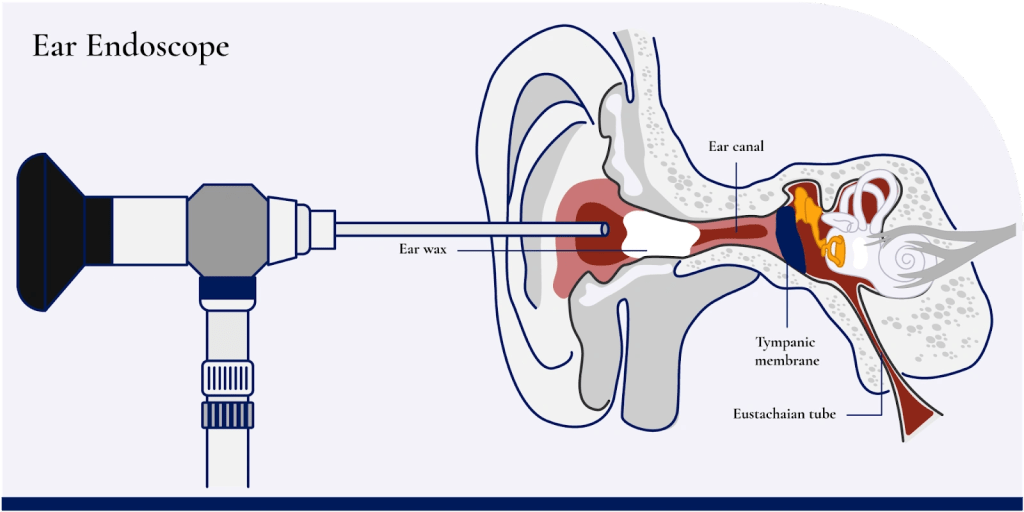
    The connection between wet ear wax and tinnitus primarily stems from the potential for ear wax to obstruct the ear canal. When there is an excess buildup of wet ear wax, it can press against the eardrum or block sound waves from reaching the inner ear effectively. This blockage can lead to a variety of auditory disturbances, including the perception of tinnitus.

    Furthermore, wet ear wax may exacerbate existing tinnitus symptoms by creating a sensation of fullness in the ear, which can alter the way sound is perceived. This alteration can make the ringing or buzzing of tinnitus more pronounced or noticeable.

    Treatment for Tinnitus Caused by Wet Ear Wax

    1. Ear Wax Removal: – The primary treatment for tinnitus caused by wet ear wax is the safe removal of the ear wax. This can be done using several methods: – Professional Cleaning: An audiologist or healthcare provider can perform ear irrigation or use specialized tools to remove excess wax safely. – Ear Drops: Over-the-counter ear drops can help soften the wax, making it easier to remove. It’s important to follow the instructions carefully to avoid irritation.

    2. Home Remedies: – Warm Olive Oil or Mineral Oil: A few drops in the ear can help soften the wax. – Hydrogen Peroxide Solution: A diluted solution can also aid in breaking down the wax, but should be used with caution.

    3. Avoiding Cotton Swabs: – Cotton swabs should not be used to remove ear wax, as they can push the wax further into the ear canal, potentially worsening the blockage.

    4. Regular Monitoring: – Individuals prone to excessive ear wax buildup might benefit from regular check-ups with a healthcare provider to prevent future occurrences.

    5. Sound Therapy and Counseling: – If tinnitus persists even after ear wax removal, sound therapy or tinnitus retraining therapy might be recommended to help manage symptoms.

    Conclusion

    Wet ear wax can be an unexpected contributor to tinnitus, but with proper diagnosis and treatment, relief is often achievable. If you experience symptoms of tinnitus, particularly if accompanied by a sensation of fullness or blockage in the ear, it’s advisable to consult a healthcare professional. Addressing the issue of ear wax buildup can often lead to significant improvements in tinnitus symptoms, enhancing overall quality of life.

  • Can magnesium really make a difference for tinnitus sufferers? Many people coping with this condition are eager for answers. Magnesium, a mineral vital to numerous bodily functions, may play a role in reducing the intensity of tinnitus symptoms. By supporting nerve health and potentially improving circulation, it’s gaining interest as a natural option for relief. Here, we’ll outline what you need to know to decide if magnesium could be part of your solution. Magnesium for Tinnitus.

    Understanding Tinnitus

    Before delving into my experience, it’s essential to understand what tinnitus is. Tinnitus is not a disease but a symptom of an underlying condition, such as age-related hearing loss, ear injury, or a circulatory system disorder. The sounds heard by individuals with tinnitus are not external and can only be perceived by the affected person. This can lead to challenges in diagnosing and treating the condition, as the experience is highly subjective.

    The Search for Relief

    When I first began experiencing tinnitus, I found it both frustrating and worrisome. The constant noise was distracting and made it difficult to concentrate or relax. Like many others, I started researching and trying various remedies, including sound therapy, lifestyle changes, and dietary adjustments. While some methods provided temporary relief, they were not sustainable long-term solutions for me.

    Discovering Magnesium

    During my quest for relief, I stumbled upon several studies and anecdotal reports suggesting a correlation between magnesium deficiency and tinnitus. Magnesium is a vital mineral involved in numerous bodily functions, including nerve transmission and muscle function. Its potential role in managing tinnitus piqued my interest, and I decided to give it a try.

    Implementing Magnesium into My Routine

    I began by consulting with a healthcare professional to ensure that increasing my magnesium intake was safe and appropriate for my situation. After receiving the go-ahead, I incorporated magnesium rich foods into my diet, such as leafy greens, nuts, seeds, and whole grains. Additionally, I started taking a magnesium supplement to ensure I was meeting the recommended daily allowance.

    The Results

    Within a few weeks of consistently consuming magnesium, I noticed a significant reduction in the intensity of my tinnitus. The relentless ringing in my ears became more manageable, and I experienced longer periods of silence. While magnesium did not completely cure my tinnitus, it provided a much-needed respite from the constant noise, allowing me to focus better and enjoy daily activities without distraction.

    Conclusion

    While magnesium may not be a one-size-fits-all solution for tinnitus, it proved to be a beneficial addition to my treatment regimen. As with any supplement or dietary change, it’s essential to consult with a healthcare professional before beginning a new regimen. For those struggling with tinnitus, exploring magnesium as a potential remedy might offer some relief and improve overall well-being.

    In sharing my experience, I hope to inspire others to consider alternative approaches to managing tinnitus. Each person’s journey is unique, and what worked for me may not work for everyone. However, exploring different options, including dietary adjustments, can be a valuable step toward finding relief and reclaiming peace from the persistent sounds of tinnitus.

  • Hearing problems affect millions of people around the world, and tinnitus is one of the most common and frustrating conditions tied to hearing health. Imagine a persistent ringing or buzzing sound in your ears that no one else can hear it’s distracting, exhausting, and often misunderstood. Hearing loss and tinnitus can significantly impact quality of life, making it essential to understand their causes, connections, and available treatments.

    Let’s break down the crucial facts about hearing problems and tinnitus, how they relate, and steps you can take to manage these conditions effectively.

    The Link Between Hearing Problems and Tinnitus

    If you’ve ever experienced ringing in your ears after being exposed to loud noise, you’ve already had a brief encounter with tinnitus. However, for those who live with it constantly, tinnitus is much more than a fleeting annoyance. Understanding the relationship between hearing loss and tinnitus starts with defining what tinnitus is and identifying the factors that contribute to its development.

    What is Tinnitus?

    Tinnitus isn’t a condition in and of itself but rather a symptom of underlying issues. It’s often described as hearing sounds no one else can hear, like ringing, buzzing, hissing, roaring, or whooshing. These sounds may be intermittent or constant, and they can vary in pitch and intensity.

    For many, tinnitus is mild and occasional, but for others, it can become a life-altering problem. It may interfere with concentration, disrupt sleep, or contribute to anxiety and depression. While tinnitus itself isn’t life-threatening, it’s an unmistakable signal that something may be wrong with your hearing health.

    Common Causes of Hearing Problems and Tinnitus

    What triggers tinnitus or hearing issues? While the exact cause can differ, some of the most common culprits include:

    • Exposure to loud noise: Prolonged or repeated exposure to loud environments, like concerts or noisy workplaces, can damage the delicate structures in the inner ear.
    • Aging: Age-related hearing loss (presbycusis) is a natural part of growing older but can often come with tinnitus.
    • Ear infections or injuries: Infections can cause temporary hearing issues and may lead to tinnitus if left untreated.
    • Meniere’s disease: This inner ear disorder is often associated with hearing loss, tinnitus, and a feeling of fullness in the ear.
    • Earwax buildup: Surprisingly, excess earwax can block the ear canal, leading to tinnitus and temporary hearing challenges.
    • Underlying conditions: Health problems like high blood pressure, diabetes, or even jaw disorders (TMJ) can play a role.

    Identifying what triggered your tinnitus is a big step toward finding relief.

    How Tinnitus and Hearing Loss Are Connected

    Tinnitus and hearing loss often go hand-in-hand. In fact, many people with hearing loss experience tinnitus as the brain’s way of compensating for the lack of external sound input. Think of it as your brain “filling in the gaps” when it’s not receiving the usual sound signals from your ears.

    Treating hearing loss can sometimes reduce the severity of tinnitus. For example, hearing aids amplify ambient noise, which can help mask tinnitus sounds and make them less noticeable. Addressing both issues at once is crucial since untreated hearing loss and tinnitus can worsen over time.

    Recognizing the Symptoms and Getting Diagnosed

    How do you know if you’re dealing with hearing problems or tinnitus? Recognizing the signs early is essential, especially since minor symptoms often go unnoticed.

    Symptoms of Hearing Problems

    Hearing loss isn’t always as obvious as you might think. Look out for these signs:

    • Difficulty understanding conversations, especially in noisy environments.
    • Frequently asking others to repeat themselves.
    • Turning up the TV or music volume louder than usual.
    • Trouble hearing high-pitched sounds, like birds chirping.
    • Feeling like people are mumbling or speaking unclearly.

    If these signs sound familiar, you might be experiencing early-stage hearing loss.

    Symptoms Specific to Tinnitus

    Tinnitus is more than just ringing in the ears it can vary widely. Common indicators include:

    • Hearing ringing, buzzing, hissing, or whooshing sounds when no external source exists.
    • Sounds that change in intensity or frequency throughout the day.
    • Noise that becomes more noticeable in quiet settings, like at night.
    • A feeling of frustration or distress caused by the constant sound.

    In some cases, sudden or severe tinnitus may indicate an urgent medical issue, so it’s wise to consult a professional.

    The Diagnostic Process

    Getting diagnosed begins with a comprehensive hearing test performed by an audiologist or ENT (ear, nose, and throat) specialist. Here’s what to expect:

    1. Hearing evaluation: A simple test to measure your ability to hear different pitches and volumes.
    2. Medical review: Your doctor may ask about your health history, medications, and lifestyle habits to identify contributing factors.
    3. Imaging or examinations: In certain cases, further tests, like an MRI or CT scan, may be used to rule out underlying conditions.

    A proper diagnosis is the foundation of successful treatment, so don’t hesitate to seek help.

    Managing and Treating Hearing Problems and Tinnitus

    Thankfully, there are numerous treatment options and coping strategies available. While a complete cure for tinnitus doesn’t exist, many approaches can significantly improve both hearing issues and tinnitus symptoms.

    Medical Treatments and Devices

    Modern medicine offers several solutions for managing hearing problems and tinnitus:

    • Hearing aids: These devices amplify external sounds, which can help mask tinnitus and improve hearing clarity.
    • Sound therapy: White noise machines or specialized apps can create background noise that reduces the prominence of tinnitus.
    • Medications: In some cases, medications may help manage the anxiety or depressive symptoms that often accompany tinnitus.

    For those with specific conditions, treatments like earwax removal or management of underlying health issues can also alleviate symptoms.

    Lifestyle Adjustments for Relief

    Small changes in daily habits can often bring noticeable relief:

    • Protect your ears: Limit exposure to loud noise by using earplugs or avoiding noisy environments.
    • Practice stress management: Chronic stress can worsen tinnitus, so techniques like yoga, meditation, or breathing exercises can help.
    • Maintain a healthy lifestyle: Regular exercise, staying hydrated, and eating a diet rich in fruits and vegetables can support overall ear health.

    These steps can be simple yet effective in reducing symptoms.

    Mental and Emotional Coping Strategies

    Living with hearing issues or tinnitus can take a toll on your mental health, but there are ways to stay positive:

    • Mindfulness and relaxation techniques: Practices like mindfulness can help you focus on the present moment rather than the annoying sounds of tinnitus.
    • Counseling or therapy: Cognitive behavioral therapy (CBT) can teach you how to reframe negative thoughts and cope better.
    • Support groups: Connecting with others who share similar challenges can provide encouragement and valuable insights.

    Taking care of your emotional well-being is just as important as addressing the physical aspects of your condition.

    Conclusion

    Healthy hearing is vital to our daily lives, yet problems like tinnitus and hearing loss can disrupt it in more ways than one. By understanding the causes, symptoms, and treatment options, you can take meaningful steps toward relief. The most important thing you can do is to seek help early. Whether it’s a hearing aid, sound therapy, or lifestyle changes, options exist to improve your quality of life.

    Don’t let hearing problems and tinnitus hold you back—reach out to a hearing specialist today for a personalized plan to address your needs. Taking control of your hearing health starts with a single step.

  • Living with tinnitus can be exhausting, but solutions are available. Knowing how to get rid of tinnitus starts with understanding the condition, its triggers, and actions you can take to address it. From medical support to practical daily adjustments, there are clear steps you can pursue to make things better.

    Understanding Tinnitus

    Before diving into solutions, it’s essential to understand the nature of tinnitus. It is a symptom, not a disease, often associated with underlying conditions such as hearing loss, ear injury, or circulatory system disorders. While tinnitus can be bothersome, understanding it as part of a broader medical context can help guide appropriate management strategies.

    Consulting a Healthcare Professional

    If you suspect you have tinnitus, your first step should be consulting a healthcare professional, preferably an audiologist or an ENT specialist. They can provide a comprehensive evaluation, diagnose potential causes, and suggest treatment options tailored to your specific needs. Medical professionals may conduct hearing tests and examine the ear canal to rule out other conditions.

    Sound Therapy

    Sound therapy is a widely endorsed approach for tinnitus management. It involves the use of external sounds to alter the perception of, or reaction to, tinnitus. White noise machines, hearing aids, or specialized sound apps can mask tinnitus sounds. These tools help shift the focus away from the ringing, making it less noticeable.

    Cognitive Behavioral Therapy (CBT)

    CBT is a beneficial psychological approach for many tinnitus sufferers. It focuses on changing the thought patterns associated with tinnitus, helping to reduce its distressing impact. By working with a trained therapist, individuals can learn coping mechanisms that make living with tinnitus more manageable.

    Lifestyle Changes

    Adopting healthier habits can significantly mitigate the effects of tinnitus. Consider incorporating the following changes into your daily routine:

    Dietary Adjustments: Limit caffeine and alcohol intake, as these can exacerbate tinnitus symptoms. Aim for balanced meals rich in vitamins and minerals. – Exercise and Relaxation: Regular physical activity improves circulation and reduces stress, which may alleviate tinnitus. Practices like yoga and meditation promote relaxation and can decrease the attention paid to tinnitus. – Adequate Sleep: Strive for quality sleep by creating a restful environment. Sometimes, a fan or soft music can aid in falling asleep without the distraction of tinnitus.

    Tinnitus Retraining Therapy (TRT)

    TRT combines sound therapy and counseling to help retrain the brain’s response to tinnitus. Over time, this process can diminish the emotional and psychological effects of the condition, making it less intrusive in everyday life.

    Avoiding Triggers

    Recognizing and avoiding potential tinnitus triggers can be pivotal. Loud noises are a common aggravator, so wearing ear protection in noisy environments can be beneficial. Additionally, managing stress through relaxation techniques can also help reduce the severity of symptoms.

    Exploring New Research

    Staying informed about emerging tinnitus treatments is crucial. Advancements in medicine and technology may offer new hope for effective management, so communicate with healthcare providers about the latest research and clinical trials.

    Conclusion

    While tinnitus can be a challenging condition, a combination of sound therapy, cognitive approaches, lifestyle adjustments, and professional guidance can greatly alleviate its impact. Each person’s experience with tinnitus is unique, and finding the right mix of strategies might take time. However, with persistence and support, managing tinnitus and improving quality of life is entirely possible. Always consult with healthcare professionals to tailor a plan that’s best suited to your needs.

  • If you’ve ever dealt with tinnitus, you already know how disruptive it can be. But did you know it’s also closely tied to depression? The constant noise can wear down even the strongest coping mechanisms, leading to feelings of helplessness and stress. In this post, we’ll unpack the relationship between tinnitus and depression, while offering approachable solutions for managing both.

    What is Tinnitus?

    Tinnitus is not a disease but a symptom of an underlying condition, which can include hearing loss, ear injury, or circulatory system disorders. It can be temporary or chronic and may vary in intensity. Although commonly associated with age-related hearing loss, tinnitus can affect individuals of all ages. The persistent noise individuals experience can lead to significant psychological distress, contributing to the development of depressive symptoms.

    The Psychological Impact of Tinnitus

    For many, tinnitus is more than just an auditory issue; it becomes a psychological burden. The constant noise can interfere with concentration, sleep, and daily activities, leading to tinnitus stress and anxiety. Over time, the relentless presence of tinnitus can result in mood disturbances, including depression. The inability to escape or control the noise can lead to feelings of helplessness and hopelessness, which are core components of depression.

    Exploring the Connection with Depression

    Several studies suggest a strong correlation between tinnitus and depression. The distress caused by tinnitus can lead to emotional exhaustion, further exacerbating depressive symptoms. Moreover, individuals who perceive their tinnitus as severe or debilitating are more likely to experience depression. The social isolation resulting from tinnitus-related communication difficulties also plays a role in worsening depressive symptoms.

    Interestingly, the perception of tinnitus severity can amplify feelings of depression. Individuals with similar tinnitus conditions may experience differing levels of emotional distress based on their psychological resilience and coping mechanisms. This subjective experience underscores the importance of personalized approaches to managing tinnitus and associated depression.

    Management Strategies

    Addressing tinnitus and its psychological impacts requires a multifaceted approach:

    1. Therapeutic Interventions: Cognitive Behavioral Therapy (CBT) has proven effective in helping individuals cope with both tinnitus and depression. CBT focuses on altering negative thought patterns and developing coping skills, thus reducing the emotional burden of tinnitus.

    2. Sound Therapy: This method uses external sounds to mask the tinnitus noise, providing relief to sufferers and improving concentration and sleep quality.

    3. Medications: While not a cure for tinnitus, certain medications can alleviate symptoms of depression, thereby improving the overall psychological well-being of individuals.

    4. Lifestyle Adjustments: Regular exercise, balanced nutrition, and mindfulness practices can enhance mood stability and resilience against stress.

    5. Support Groups: Engaging with others experiencing similar challenges can offer emotional support and practical coping strategies, reducing feelings of isolation.

    Conclusion

    While tinnitus can profoundly impact an individual’s quality of life, understanding its potential to cause or worsen depression is essential in providing comprehensive care. Through a combination of therapeutic interventions, lifestyle changes, and support networks, individuals can achieve a significant improvement in their mental health, despite the challenges posed by tinnitus. The integration of psychological and medical approaches holds promise for those struggling with both tinnitus and depression, fostering hope and resilience in the face of adversity.