


Home

  • Tinnitus and anxiety often feel like a relentless loop—one feeds the other, creating a cycle that’s hard to escape. But there’s hope. Cognitive Behavioral Therapy (CBT) has emerged as a practical solution to help break this connection. By addressing the way our minds respond to sound and stress, CBT provides tools for managing both conditions more effectively. In this post, we’ll explore how CBT works and why it’s a promising option for those looking to reclaim control.

    Understanding the Tinnitus-Anxiety Connection

    Tinnitus affects millions of people worldwide, and while it is generally not a sign of a serious underlying condition, the constant presence of phantom sounds can lead to distress and anxiety. The relationship between tinnitus and anxiety is complex. Anxiety can increase the brain’s sensitivity to tinnitus, making it appear louder and more intrusive. Conversely, the persistent nature of tinnitus can lead to heightened anxiety, as individuals become increasingly focused on and stressed by the condition.

    The Role of Cognitive Behavioral Therapy

    Cognitive Behavioral Therapy, a form of psychological treatment, has gained recognition for its effectiveness in treating anxiety related disorders. CBT focuses on identifying and changing negative thought patterns and behaviors, supporting individuals in developing healthier responses to stressors.

    When applied to tinnitus, CBT offers several benefits:

    1. Reduction of Negative Thought Patterns: CBT helps individuals recognize and challenge maladaptive beliefs about tinnitus, such as the idea that it will worsen over time or that it is a sign of a severe health issue. By reframing these thoughts, individuals can reduce the anxiety associated with tinnitus.

    2. Stress Management Techniques: CBT equips individuals with tools to manage stress effectively. Techniques such as mindfulness, relaxation exercises, and controlled breathing can lower overall anxiety levels, reducing the perceived intensity of tinnitus.

    3. Improved Emotional Regulation: CBT encourages individuals to develop better emotional regulation skills, allowing them to respond calmly to tinnitus rather than reacting with panic or distress. This shift in response can diminish the cycle of anxiety and tinnitus.

    4. Enhanced Coping Strategies: Through CBT, individuals can learn coping strategies tailored to their specific experiences with tinnitus. This personalized approach empowers them to handle tinnitus-related challenges confidently.

    Breaking the Cycle

    The cycle of tinnitus and anxiety can be debilitating, but CBT offers a pathway to breaking free from its grip. By addressing both the psychological and emotional aspects of tinnitus, CBT provides a holistic approach that enhances overall well-being.

    For those struggling with tinnitus and anxiety, seeking professional help from a therapist trained in CBT can be a transformative step. While CBT may not eliminate tinnitus entirely, it can significantly improve quality of life, helping individuals regain control and reduce the impact of tinnitus on their daily lives.

    In conclusion, the interplay between tinnitus and anxiety underscores the importance of addressing both conditions simultaneously. Cognitive Behavioral Therapy stands out as a powerful tool in breaking the cycle, offering hope and relief to those affected. Through CBT, individuals can learn to manage their symptoms effectively, paving the way for a more peaceful and fulfilling life despite the presence of tinnitus.


  • Tinnitus isn’t just a sound; it’s an experience that affects sleep, focus, and mental well-being. Cognitive behavioral therapy (CBT) is a structured, evidence-based approach often recommended to help individuals reframe negative thoughts tied to their symptoms. Whether you’re struggling with frustration, anxiety, or sleep disturbances, CBT may offer relief by changing how you emotionally process tinnitus. Additionally, we’ll touch on innovations like stem cell therapy for tinnitus and how these treatments are shaping the conversation around solutions.

    Understanding Tinnitus

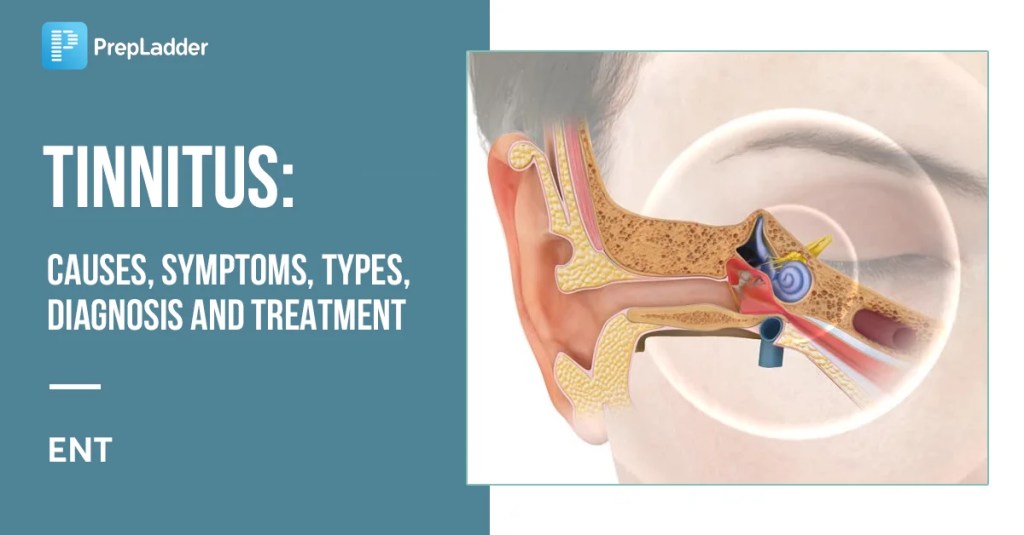
    Tinnitus is not a disease but a symptom of an underlying condition, such as hearing loss, ear injury, or a circulatory system disorder. Its exact causes can be complex and multifaceted, often making it challenging to treat. The subjective nature of tinnitus means that it is only heard by the affected individual, complicating diagnosis and treatment further.

    The Role of Cognitive Behavioral Therapy

    Cognitive Behavioral Therapy is a form of psychological treatment that focuses on changing negative thought patterns and behaviors. Originally developed to treat depression and anxiety disorders, CBT has been adapted to address the psychological impact of tinnitus. The therapy does not directly reduce the auditory perception of tinnitus but helps individuals alter their response to it.

    How CBT Works for Tinnitus

    1. Changing Perceptions: CBT helps patients change the way they perceive tinnitus. By reframing how they think about the condition, individuals can reduce the distress it causes. The focus is on understanding that while tinnitus can be intrusive, it does not have to dominate one’s life.

    2. Stress Reduction: Stress and anxiety can exacerbate tinnitus symptoms. CBT teaches coping strategies and relaxation techniques to manage stress, which in turn can lessen the perceived intensity of tinnitus.

    3. Improving Quality of Life: The ultimate goal of CBT is to improve the quality of life for individuals with tinnitus. By managing the psychological responses to tinnitus, patients often find that they can engage more fully in daily activities without being constantly distracted or distressed by the noise.

    4. Developing Coping Strategies: CBT equips individuals with tools to cope with tinnitus more effectively. This includes developing a more positive attitude and learning practical skills to manage the condition on a day-to-day basis.

    Effectiveness of CBT for Tinnitus

    Numerous studies have demonstrated that CBT can significantly reduce the distress associated with tinnitus. Patients report improved emotional well-being, better sleep quality, and a reduction in tinnitus-related anxiety and depression. While CBT does not eliminate the sound of tinnitus, it empowers individuals to live more comfortably despite it.

    Conclusion

    Cognitive Behavioral Therapy represents a valuable tool in the management of tinnitus. By focusing on the psychological aspects of the condition, CBT enables individuals to take control of their reactions and reduce the impact of tinnitus on their lives. As research continues, CBT remains a cornerstone of tinnitus management, offering hope and relief to those affected by this challenging condition.

  • Tinnitus symptoms can range from mildly distracting to severely debilitating, affecting millions worldwide. Despite a variety of treatment options, many sufferers continue to struggle with the relentless noise. Stem cell therapy for tinnitus has recently gained attention as a cutting-edge procedure that may pave the way for more effective solutions. Could this scientific breakthrough offer a new path to silence?

    Understanding Tinnitus

    Tinnitus is often a symptom of an underlying condition, such as age-related hearing loss, ear injury, or circulatory system disorders. The phantom sounds associated with tinnitus can vary in pitch and intensity, and while some people experience intermittent episodes, others live with constant noise.

    Current treatments primarily focus on managing symptoms rather than addressing the root cause. These include sound therapy, cognitive-behavioral therapy, and medications to alleviate discomfort. However, these approaches do not work for everyone, highlighting the need for more effective solutions.

    Stem Cell Therapy: A New Frontier

    Stem cell therapy is garnering attention for its potential to regenerate damaged tissues and restore normal function. Stem cells, unique for their ability to differentiate into various cell types, offer a promising avenue for treating conditions that were previously considered irreversible.

    In the context of tinnitus, researchers are exploring how stem cells might repair or replace damaged cells in the auditory system. The inner ear, particularly the cochlea, contains hair cells that are crucial for hearing. Damage to these cells is a common cause of tinnitus. Stem cell therapy aims to regenerate these cells, potentially restoring normal auditory function and alleviating tinnitus symptoms.

    Research and Developments

    Recent studies have shown encouraging results in animal models, where stem cell transplantation has led to the regeneration of hair cells in the cochlea and improvements in hearing abilities. These findings spark hope for similar outcomes in human subjects. However, translating these results from the laboratory to clinical settings presents challenges.

    One of the main hurdles is ensuring the safe and effective delivery of stem cells to the targeted areas without adverse effects. Additionally, researchers must determine the most suitable type of stem cells for treating tinnitus, whether embryonic, adult, or induced pluripotent stem cells.

    Challenges and Considerations

    While the potential of stem cell therapy is exciting, it is crucial to approach this emerging field with caution. Several factors need careful consideration, including ethical concerns, regulatory approvals, and the long-term effects of such treatments. Rigorous clinical trials are necessary to establish the safety and efficacy of stem cell therapy for tinnitus.

    Moreover, the cost of stem cell treatments can be prohibitive, potentially limiting access for many patients. As research progresses, it will be essential to address these challenges to ensure that stem cell therapy can become a viable option for those affected by tinnitus.

    Conclusion

    Stem cell therapy represents a promising frontier in the quest to find a cure for tinnitus. While still in its early stages, ongoing research and advancements in this field offer hope for millions of individuals suffering from this debilitating condition. As science continues to unravel the complexities of stem cells and their potential, the future may hold a transformative solution for tinnitus, providing relief to those who desperately need it. Until then, continued research, collaboration, and innovation remain essential in the journey toward effective treatments.

  • Did you know that neck tension might play a role in tinnitus? Many people experience a connection between the two, yet it’s often overlooked. This post will explain how tight muscles in your neck can influence the ringing in your ears. If you’ve been struggling with managing tinnitus, understanding this link could be a key step toward relief.

    The Link Between Neck Tension and Tinnitus

    The neck is a complex structure consisting of muscles, nerves, and blood vessels that support the head and facilitate a range of motions. When tension builds up in the neck muscles, it can lead to various issues, including headaches, restricted movement, and, interestingly, tinnitus. The connection between neck tension and tinnitus is primarily attributed to the proximity of the neck muscles to the auditory and vestibular systems.

    Muscle tension in the neck may influence the blood flow and nerve signals in the region, potentially impacting the auditory pathways. This can lead to the perception of sounds that are not present externally. Furthermore, the cervical spine, which houses crucial nerve pathways, can affect auditory processing when under stress or misalignment.

    Potential Causes of Neck Tension Leading to Tinnitus

    Several factors can contribute to neck tension, potentially triggering or worsening tinnitus:

    1. Poor Posture: Prolonged periods of poor posture, such as slouching at a desk or looking down at a smartphone, can strain neck muscles, leading to tension and discomfort.

    2. Stress and Anxiety: Emotional stress often manifests physically, causing muscle tension, including in the neck. This tension can exacerbate tinnitus symptoms.

    3. Injuries: Whiplash or other neck injuries can disrupt the normal function of the cervical spine and surrounding muscles, potentially contributing to tinnitus.

    4. Musculoskeletal Disorders: Conditions such as temporomandibular joint disorder (TMJ) and cervical spine disorders can create neck tension that may influence tinnitus.

    Approaches to Managing Neck Tension and Tinnitus

    Addressing neck tension can be an effective strategy in managing tinnitus for some individuals. Here are several approaches that might help:

    – Physical Therapy: A physical therapist can design a tailored exercise program to strengthen neck muscles, improve posture, and alleviate tension.

    – Chiropractic Care: Chiropractic adjustments may help improve spinal alignment and reduce neck tension, potentially easing tinnitus symptoms.

    – Stress Management Techniques: Practices such as yoga, meditation, and deep-breathing exercises can reduce overall stress, thereby decreasing muscle tension.

    – Postural Awareness: Being mindful of posture throughout the day and making ergonomic adjustments to workspaces can prevent neck strain.

    – Medical Interventions: In some cases, medical treatments such as muscle relaxants or injections may be necessary to manage severe neck tension.

    Conclusion

    While tinnitus can be a challenging condition to manage, understanding the role of neck tension offers a potential pathway for relief. By addressing the underlying causes of neck tension, individuals may experience a reduction in tinnitus symptoms. As always, it is essential to consult healthcare professionals to explore personalized treatment options and ensure a comprehensive approach to managing tinnitus effectively.

  • Introduction

    Pulsatile tinnitus and Attention-Deficit/Hyperactivity Disorder (ADHD) are two distinct conditions that can significantly impact an individual’s quality of life. Pulsatile tinnitus is characterized by a rhythmic sound in the ears, often in time with the heartbeat. ADHD, on the other hand, is a neurodevelopmental disorder marked by symptoms of inattention, hyperactivity, and impulsivity. Recent discussions in the medical community have begun to explore the potential connections between these two conditions. This article aims to shed light on pulsatile tinnitus, ADHD, and the potential links that might exist between them.

    Understanding Pulsatile Tinnitus

    Pulsatile tinnitus is a type of tinnitus where the affected individual hears a rhythmic noise, often described as a whooshing or thumping sound. Unlike regular tinnitus, which often presents as a constant ringing, pulsatile tinnitus aligns with the heartbeat. It can be caused by a variety of factors including vascular abnormalities, high blood pressure, or ear infections. While often benign, it can be indicative of more serious underlying conditions, thus warranting medical evaluation.

    Understanding ADHD

    ADHD is a common disorder typically diagnosed in childhood, though it can persist into adulthood. It is characterized by patterns of inattention, hyperactivity, and impulsivity that are more severe than typically observed in individuals at the same developmental stage. The exact cause of ADHD is not fully understood, but it is believed to involve a combination of genetic, environmental, and neurological factors.

    The Potential Connection

    While pulsatile tinnitus and ADHD are seemingly unrelated, both involve neurological components that could suggest a potential link. Individuals with ADHD may have heightened sensory sensitivities, making them more attuned to bodily sensations, including tinnitus. Additionally, the stress and anxiety often associated with ADHD could exacerbate the perception of tinnitus.

    Research and Hypotheses

    Current research exploring the connection between pulsatile tinnitus and ADHD is limited but evolving. Some hypotheses suggest that the impulsivity and hyperactivity in ADHD might influence blood flow patterns, potentially contributing to pulsatile tinnitus. Moreover, individuals with ADHD may report heightened awareness of auditory stimuli, which might make them more prone to noticing tinnitus symptoms.

    Management and Treatment

    Managing pulsatile tinnitus involves addressing its underlying causes, which may include treating vascular conditions or managing blood pressure. For individuals with ADHD, behavioral therapies, medications, and lifestyle modifications are the mainstays of treatment. If a connection between the two conditions is suspected, a comprehensive approach that includes addressing both ADHD symptoms and tinnitus management may be beneficial.

    Conclusion

    While pulsatile tinnitus and ADHD are distinct conditions, exploring their potential connections opens new avenues for understanding and treating these complex disorders. Further research is needed to clarify the relationship and develop integrated treatment approaches. Individuals experiencing symptoms of either condition should seek evaluation from healthcare professionals to ensure appropriate management and improve quality of life.

  • The symptoms of tinnitus in ear can be confusing, especially when the sounds seem to appear without warning. For many, it’s described as a ringing, buzzing, or humming sensation that doesn’t have an external source. These noises might be subtle or disruptive, but they’re more common than you might expect. Identifying these symptoms early can provide better insight into potential underlying issues and when to seek medical guidance.

    Primary Symptoms

    The hallmark symptom of tinnitus is hearing a noise that others cannot hear. This noise can take many forms, including ringing, buzzing, hissing, whistling, or clicking. The perceived sound can be intermittent or constant and may vary in volume. For some individuals, tinnitus is a minor nuisance, while for others, it can be profoundly disruptive.

    Variations in Perception

    Tinnitus can affect one or both ears. Some people experience it centrally, as if the sound is coming from inside their head. The perception of tinnitus can also change based on various factors. Stress, caffeine, alcohol, and exposure to loud sounds can exacerbate the symptoms, making the noise seem more pronounced.

    Associated Symptoms

    While the primary symptom of tinnitus is auditory, it can be accompanied by other symptoms. Many individuals with tinnitus report difficulties with concentration and sleep, as the persistent noise can be distracting and intrusive. Emotional symptoms, such as anxiety and depression, are also common, as the condition can impact overall well-being and quality of life.

    Potential Causes and Risk Factors

    Understanding the underlying causes of tinnitus can shed light on the symptoms experienced. Tinnitus is often linked to hearing loss, especially age-related hearing loss and noise-induced hearing loss. Other potential causes include ear infections, earwax buildup, and certain medications. Conditions such as Meniere’s disease, acoustic neuroma, and temporomandibular joint (TMJ) disorders can also contribute to tinnitus symptoms.

    Diagnosis and Management

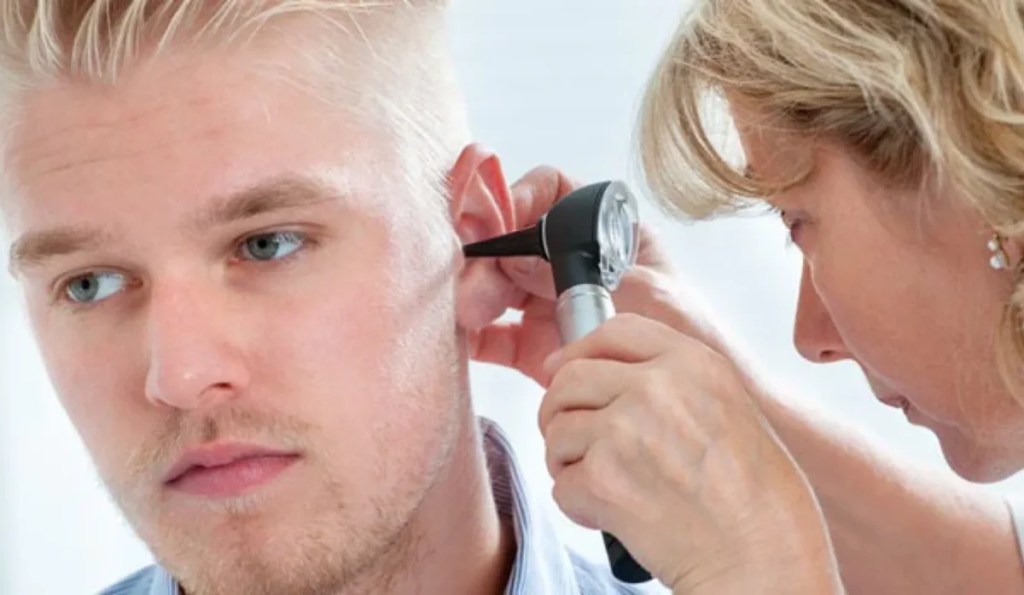
    If you experience symptoms of tinnitus, it is essential to consult a healthcare professional for a proper diagnosis. An audiologist or an ENT specialist can conduct tests to determine the underlying cause and severity of the condition. While there is no cure for tinnitus, various management strategies can help mitigate its impact. These may include sound therapy, hearing aids, cognitive-behavioral therapy, and lifestyle modifications.

    Conclusion

    Tinnitus is a complex condition with a range of symptoms that can affect individuals differently. Recognizing the symptoms and seeking professional advice are crucial steps in managing the condition effectively. With appropriate interventions, individuals with tinnitus can find relief and improve their overall quality of life.

  • Tinnitus in teenagers might seem uncommon, but it can often go unnoticed until symptoms worsen. This high-pitched ringing or buzzing in the ears is more than just an annoyance it’s a potential red flag for underlying issues. As a parent, recognizing early warning signs can make a significant difference in managing this condition. Understanding what to look for can help protect your teen’s hearing health before it’s too late.

    What is Tinnitus?

    Tinnitus is not a disease but a symptom of an underlying condition. It is characterized by the perception of sound without any external auditory stimulus. The sounds can vary in pitch and can be heard in one or both ears. For some, tinnitus is a temporary experience, but for others, it can become a chronic issue.

    Causes of Tinnitus in Teenagers

    1. Exposure to Loud Noise: One of the leading causes of tinnitus in teenagers is exposure to loud music or noise. With the prevalence of earphones and headphones, teens often listen to music at high volumes, which can damage the delicate hair cells in the inner ear, leading to tinnitus.

    2. Ear Infections or Blockages: Conditions such as ear infections or a buildup of earwax can obstruct the ear canal and lead to tinnitus. These issues can usually be resolved with medical treatment.

    3. Head and Neck Injuries: Trauma to the head or neck, whether from sports, accidents, or other causes, can affect the auditory nerves or brain function related to hearing, potentially leading to tinnitus.

    4. Stress and Anxiety: Although not a direct cause, stress and anxiety can intensify the perception of tinnitus in teenagers. The body’s response to stress can worsen the symptoms, creating a cycle that is hard to break.

    5. Medications: Certain medications, particularly when taken in high doses, can lead to tinnitus as a side effect. It’s important for teens and their guardians to review medication side effects with healthcare providers.

    Impacts of Tinnitus on Teenagers

    Tinnitus can have profound effects on teenagers, affecting their academic performance and social interactions. The constant presence of noise can make it difficult to focus in school, leading to frustration and declining grades. Additionally, the disruption of sleep can result in fatigue and irritability.

    Emotionally, tinnitus can lead to anxiety, depression, and social withdrawal. Teenagers may feel isolated because they are dealing with a condition that is often invisible to others.

    Management and Treatment

    1. Protective Measures: To prevent tinnitus or stop it from worsening, teenagers should be encouraged to protect their ears from loud noises. This includes lowering the volume on personal devices and using ear protection at concerts or other loud environments.

    2. Medical Consultation: It is essential to seek professional medical advice for a proper diagnosis and treatment plan. An audiologist or an ENT specialist can assess the condition and suggest appropriate treatments.

    3. Sound Therapy: Introducing background noise or music can help mask the persistent sounds of tinnitus, allowing teenagers to concentrate and sleep better.

    4. Counseling and Support Groups: Psychological support can be invaluable. Counseling can help teenagers develop coping strategies and address any anxiety or depression related to tinnitus. Support groups can also provide a sense of community and understanding.

    5. Relaxation Techniques: Encouraging practices such as yoga, meditation, or deep-breathing exercises can help reduce stress levels, which may alleviate the intensity of tinnitus.

    Conclusion

    While tinnitus can be a challenging condition for teenagers, understanding its causes and impacts can lead to effective management strategies. By taking preventive measures and seeking appropriate treatment, teenagers can lead fulfilling lives despite the presence of tinnitus. It is crucial for parents, educators, and healthcare providers to work together to support teens dealing with this condition, ensuring they have the resources and assistance they need to thrive.

  • Did you know certain medications could be contributing to the ringing in your ears? Tinnitus, often described as a constant ringing or buzzing sound, can be triggered by various factors, including specific drugs. In this post, we’ll shed light on the drugs which cause tinnitus and explore how they might affect your hearing health. Knowing which medications to watch out for can help you make informed decisions about your treatment options.

    What is Tinnitus?

    Before diving into the drugs associated with tinnitus, it’s important to understand what tinnitus is. Tinnitus is not a disease but a symptom of an underlying condition. It can range from a mild inconvenience to a debilitating problem, affecting concentration, sleep, and overall quality of life. Causes can include exposure to loud noises, ear infections, and, importantly, certain medications.

    Drugs Known to Cause Tinnitus

    1. Non-Steroidal Anti-Inflammatory Drugs (NSAIDs): – Commonly used for pain relief, drugs like aspirin and ibuprofen can cause temporary tinnitus, especially when taken in high doses. The effect is usually reversible once the medication is discontinued or the dosage is reduced.

    2. Antibiotics: – Some antibiotics, particularly aminoglycosides like gentamicin, can be ototoxic, meaning they can damage the inner ear and lead to tinnitus. These antibiotics are typically used to treat serious infections and are administered under careful medical supervision.

    3. Diuretics: – Also known as “water pills,” diuretics such as furosemide are used to treat high blood pressure and fluid retention. High doses or prolonged use can sometimes lead to tinnitus.

    4. Antidepressants: – Certain antidepressants, including tricyclics like amitriptyline, have been reported to cause tinnitus in some individuals. It’s important to discuss any side effects with a healthcare provider, as adjustments may be needed.

    5. Cancer Medications: – Chemotherapy drugs, such as cisplatin, are known for their ototoxic potential. Patients undergoing cancer treatment should be closely monitored for any signs of hearing changes or tinnitus.

    6. Quinine-based Medications: – Used to treat malaria and sometimes nocturnal leg cramps, quinine can cause tinnitus. This side effect is typically dose-dependent and may diminish once the medication is stopped.

    Managing Tinnitus Related to Medications

    If you suspect that a medication is causing or worsening your tinnitus, it’s important to consult with a healthcare professional before making any changes to your medication regimen. They can assess whether the drug is likely the cause and may suggest alternatives or adjustments.

    In addition to medical advice, consider these strategies to manage tinnitus:

    – Sound Therapy: Use of white noise machines or hearing aids can help mask the ringing sound. – Stress Management: Techniques such as meditation and yoga can reduce the stress that often accompanies tinnitus. – Hearing Protection: Protecting your ears from loud noises can prevent further damage.

    Final Thoughts

    While the relationship between certain drugs and tinnitus is established, individual experiences can vary. Awareness and open communication with healthcare providers are key to managing this condition effectively. If you’re experiencing tinnitus, take proactive steps to understand its potential causes and explore both medical and lifestyle interventions that may alleviate your symptoms.

    Remember, your health and well-being are paramount, and staying informed is the first step toward managing any health challenge effectively.

  • Tinnitus is more than just a nuisance it can impact your focus, sleep, and overall mental health. While medical treatments are limited, certain supplements for tinnitus may provide symptom relief for some people. This post reviews evidence-backed options, helping you make informed decisions about your health and well-being.

    Understanding Tinnitus

    Before exploring supplements, it is crucial to understand what tinnitus is and how it impacts individuals. Tinnitus is not a disease but a symptom of an underlying condition, often related to auditory nerve damage or circulatory issues. The persistent noise can range from a soft hum to a loud roar, significantly affecting quality of life. While there is no definitive cure, managing symptoms is possible, and supplements are one avenue people explore.

    Popular Supplements for Tinnitus

    1. Zinc Zinc is an essential mineral that plays a vital role in maintaining healthy auditory function. Some studies suggest that zinc deficiency may contribute to tinnitus. Supplementing with zinc might help improve symptoms for those who are deficient, although the evidence is mixed. Consultation with a healthcare provider is advised before starting zinc supplements.

    2. Vitamin B12 A deficiency in vitamin B12 has been linked to tinnitus in certain cases. This vitamin is crucial for nerve health, and its supplementation might offer relief if tinnitus is associated with a deficiency. While promising for some, it is important to get tested for vitamin B12 levels to determine if supplementation is necessary.

    3. Ginkgo Biloba Ginkgo Biloba is an herbal supplement that is often touted for its potential to improve blood circulation. Improved circulation might help alleviate tinnitus symptoms, particularly if they are related to vascular issues. However, scientific evidence is not conclusive, and individuals should approach this supplement with caution and consult healthcare providers.

    4. Magnesium Magnesium plays a role in nerve function and blood circulation. Some research suggests that magnesium deficiency might exacerbate tinnitus symptoms. Supplementing with magnesium could help reduce the severity of symptoms for certain individuals, but more extensive studies are needed to confirm its efficacy.

    5. Melatonin Melatonin, primarily known for its role in regulating sleep, has been investigated for tinnitus relief. Given that tinnitus often disrupts sleep, melatonin might help manage symptoms by promoting better sleep quality. While not a direct treatment for tinnitus, improved sleep can indirectly offer relief.

    Considerations and Precautions

    While supplements present a promising alternative for managing tinnitus, it is essential to approach them with caution. Not all supplements are suitable for everyone, and their effectiveness can vary based on individual health conditions. Before starting any supplement regimen, individuals should consult with healthcare professionals to ensure safety and appropriateness, especially if they are taking other medications or have underlying health issues.

    Furthermore, supplements should not be seen as a standalone solution but rather as part of a comprehensive approach to managing tinnitus. Lifestyle changes, such as reducing exposure to loud noises, managing stress, and maintaining overall ear health, play a significant role in alleviating symptoms.

    Conclusion

    Tinnitus can be a frustrating and disruptive condition, but exploring supplements might offer hope for relief. While scientific evidence varies in support of different supplements, some individuals report improvement in their symptoms. Consulting healthcare providers and approaching supplements with informed caution can help individuals make the best choices for their health. As research continues, there is hope that more effective solutions for tinnitus relief will emerge, providing comfort and improved quality of life for those affected.

  • Constant noise in your ears doesn’t have to be your new normal. Homemade remedies for tinnitus focus on addressing symptoms naturally, often involving simple lifestyle changes or easy-to-make remedies. For anyone seeking a straightforward, low-risk way to find relief, this guide highlights practical tips that could make a difference.

    Understanding Tinnitus

    Before diving into remedies, it’s important to understand what tinnitus is. Tinnitus itself is not a disease but a symptom of an underlying condition, such as age-related hearing loss, ear injury, or a circulatory system disorder. Stress and exposure to loud noises can exacerbate the condition, so managing these factors is crucial.

    Dietary Adjustments

    A healthy diet plays a vital role in managing tinnitus. Reducing salt intake can help decrease blood pressure and improve blood flow to the ears, potentially alleviating symptoms. Additionally, limiting caffeine and sugar can prevent spikes in tinnitus severity. Incorporating foods rich in magnesium and zinc, such as spinach, bananas, and dark chocolate, can also be beneficial.

    Herbal Remedies

    Certain herbs have been used traditionally to address tinnitus symptoms. Ginkgo biloba, in particular, is often recommended for its ability to improve blood circulation in the inner ear. Similarly, garlic, known for its anti-inflammatory properties, can be included in meals or taken as supplements to support ear health.

    Essential Oils

    Aromatherapy can be a soothing way to deal with tinnitus-related stress. Essential oils like lavender and rosemary are known for their calming effects. A few drops in a diffuser or a warm bath can help reduce anxiety and promote relaxation, which may alleviate tinnitus symptoms.

    Sound Therapy

    While it might seem counterintuitive, sound therapy is one of the most effective ways to manage tinnitus. White noise machines, rainfall recordings, or gentle instrumental music can help mask the irritating sounds of tinnitus, making it less noticeable, especially during quiet times or while trying to sleep.

    Mindfulness and Stress Management

    Stress and anxiety are known to worsen tinnitus symptoms. Practices such as yoga, meditation, and deep breathing exercises can help manage stress levels. Mindfulness meditation, in particular, encourages focusing on the present moment, which can help distract from the persistent noise of tinnitus.

    Regular Exercise

    Engaging in regular physical activity can improve overall health and well-being, which may, in turn, help with tinnitus. Exercise improves blood circulation and reduces stress, both of which can be beneficial for those experiencing tinnitus.

    Ear Protection

    Preventing further ear damage is crucial. Protect your ears from loud noises by wearing earplugs in noisy environments, such as concerts or construction sites. Additionally, keep the volume down when listening to music through headphones.

    Seeking Professional Help

    While natural remedies can provide relief, it’s important to consult with a healthcare professional to rule out any serious underlying conditions. Audiologists and ENT specialists can offer treatments and therapies tailored to individual needs.

    Conclusion

    Living with tinnitus can be challenging, but incorporating some of these natural remedies into daily routines may provide relief. Remember, each person is unique, and what works for one individual may not work for another. Patience and experimentation with different remedies can lead to finding the best approach to managing tinnitus symptoms, allowing for a more peaceful and quieter life.