


Home

  • Struggling with that constant, high-pitched ringing? Tinnitus can feel overwhelming, but it doesn’t have to control your life. With some effective strategies, you can lower the noise and find more peace. This guide explores proven ring solutions and tinnitus fixes that can help bring relief. Let’s discover what works best for you—you deserve to feel better.

    Understanding Tinnitus

    Before we dive into the solutions, it’s essential to understand what tinnitus is and why it occurs. Tinnitus is not a disease itself but a symptom of an underlying condition, typically related to auditory or circulatory system disorders. It may be due to prolonged exposure to loud noise, age-related hearing loss, earwax blockage, or even certain medications.

    Proven Ring Solutions Tinnitus Fixes

    1. Sound Therapy:

    Sound therapy utilizes external noise to alter the perception of tinnitus. White noise machines, specialized ear masking devices, or even hearing aids can provide relief by drowning out the internal noise. This therapy can reduce the intensity of tinnitus and help you focus more on external sounds, thereby minimizing the perceived impact of tinnitus.

    1. Cognitive-Behavioral Therapy (CBT):

    CBT is a type of psychotherapy that helps individuals manage their response to tinnitus. It doesn’t eliminate the noise itself but aids in changing the perception and reaction to it. By reducing the anxiety and stress associated with the condition, CBT can significantly improve the quality of life for tinnitus sufferers.

    1. Tinnitus Retraining Therapy (TRT):

    TRT combines sound therapy and teaching coping techniques to help reduce the impact of tinnitus on daily life. It works on the principle of habituation, where the brain is trained to ignore the tinnitus sound, thus helping individuals live with the condition more comfortably.

    1. Medications:

    While there’s no specific drug to cure tinnitus, certain medications may help reduce the severity of symptoms or complications. Antidepressants and anti-anxiety drugs can help manage any associated stress, anxiety, or depression. Always consult with a healthcare professional before starting any medication regimen.

    1. Lifestyle Changes:

    Modifying certain lifestyle habits can also help manage tinnitus. This includes reducing exposure to loud noises, managing stress levels, limiting caffeine and alcohol consumption, maintaining a healthy sleep routine, and regularly exercising. A healthy lifestyle can indirectly influence the severity of tinnitus symptoms and improve overall well-being.

    1. Alternative Therapies:

    Acupuncture, hypnosis, and nutritional supplements have also shown promise in managing tinnitus symptoms. Though research in these areas is still ongoing, some individuals report significant relief from alternative therapies.

    Conclusion

    Tinnitus can be an incredibly frustrating and debilitating condition, but it’s important to remember that you’re not alone – help is available. The above-mentioned ring solutions tinnitus fixes have proven successful for many individuals. However, what works best may vary from person to person, and it’s always advised to consult with a healthcare professional before starting any treatment.

    Living with tinnitus can feel overwhelming, but with the right methods, it doesn’t have to control your life. The constant ringing might not go away entirely, but there are effective ways to manage it. Discover proven ring solutions and tinnitus fixes that can help you regain a sense of calm and quiet. Remember, you have the ability to take charge and make tinnitus less disruptive in your daily routine.

    Key Takeaways

    • Tinnitus, or ringing in the ears, affects millions, but solutions exist to manage symptoms effectively.
    • Common fixes include sound therapy, lifestyle changes, and hearing aids.
    • Reducing stress and limiting caffeine or alcohol can help.
    • White noise machines or apps can provide relief by masking the ringing.
    • If symptoms persist, consult a hearing specialist for personalized treatment options.
    • Consistency in managing triggers often improves results.

    FAQs About Proven Tinnitus Solutions: What to Know

    What is tinnitus and what causes it?

    Tinnitus is the perception of sound—like ringing, buzzing, or clicking—without any external source. Common causes include hearing loss, prolonged exposure to loud noise, earwax buildup, medication side effects, or issues with blood circulation or the ear’s anatomy.

    Can tinnitus be completely cured?

    There’s no universal cure for tinnitus. However, treatments and strategies like sound therapy, hearing aids, or cognitive behavioral therapy can reduce the intensity of symptoms and improve quality of life.

    How do hearing aids help with tinnitus?

    Hearing aids amplify background sounds, making tinnitus less noticeable. Some devices also include masking features that generate soothing sounds to cover or reduce the perception of tinnitus.

    What is Tinnitus Retraining Therapy (TRT)?

    TRT combines sound therapy and counseling to help your brain become less sensitive to tinnitus over time. The therapy focuses on changing how you perceive and react to the sound, making it less bothersome.

    Are there any new technologies or devices for tinnitus relief?

    Yes, newer options like the Lenire device use electrical stimulation of the tongue combined with sounds to target tinnitus. Devices like white noise machines or in-ear noise maskers are also effective options.

    Can lifestyle changes reduce tinnitus symptoms?

    Yes, minimizing loud noise exposure, managing stress, avoiding alcohol, caffeine, and nicotine, and maintaining overall ear health can help reduce symptoms.

    When should I see a specialist for tinnitus?

    If tinnitus lasts longer than a few days, worsens, or interferes with your daily life, consult an audiologist or ENT specialist. Sudden or significant hearing loss with tinnitus is a medical emergency.

    Does stress make tinnitus worse?

    Yes, stress can amplify tinnitus. Relaxation techniques like deep breathing, mindfulness, or yoga can help manage stress and lessen the perception of tinnitus.

    Can removing earwax improve tinnitus?

    If tinnitus is caused by an earwax blockage, removing it can significantly reduce or eliminate symptoms. Always have earwax removed by a medical professional to avoid damaging your ear.

    Does diet impact tinnitus?

    Certain items like caffeine, alcohol, and excessive salt may worsen tinnitus for some people due to their effects on blood pressure or the auditory system. Staying hydrated and maintaining a balanced diet can benefit overall ear health.

    Is tinnitus permanent?

    Tinnitus can be temporary or chronic. Temporary tinnitus often subsides after avoiding triggers (like loud noise), while chronic cases may require ongoing management to keep symptoms in check.

    Are there medications for tinnitus?

    While no medications can directly cure tinnitus, some may help manage related symptoms like anxiety or depression. Always consult your doctor before trying any medications, supplements, or remedies.

    What’s the first step in managing tinnitus?

    Identify potential triggers or underlying conditions by consulting a healthcare provider. They’ll guide you through testing and recommend personalized treatment options to manage your symptoms effectively.

    Proven Ring Solutions Tinnitus Fixes offer practical and manageable ways to reduce the distressing effects of ringing in the ears. Understanding your symptoms and working with trusted methods can bring relief and improve your daily life. If you’re ready to take control, consider exploring the options mentioned and speak with a healthcare professional for personalized guidance. “Quietum Plus: The sound solution you’ve been waiting for.”
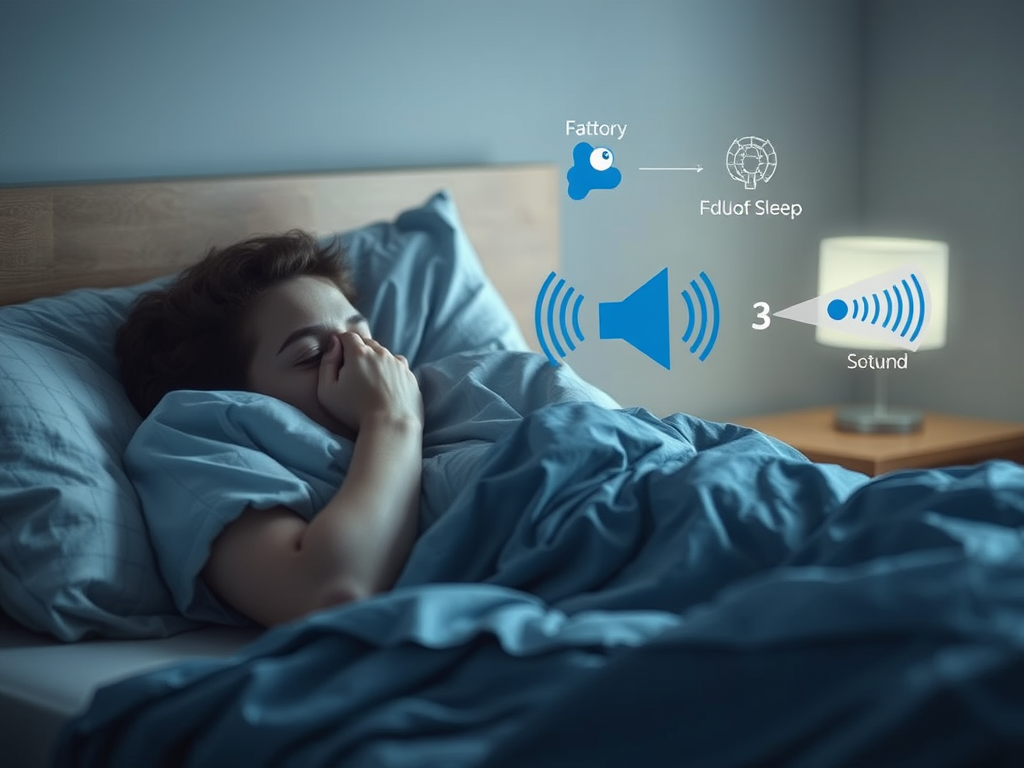
  • The connection between sleep and health is well-documented. High-quality, restful sleep is crucial to our mental and physical well-being. However, when conditions like tinnitus – a persistent ringing or noise in the ears – are part of the equation, the quality of sleep can be dramatically impacted. But can poor sleep actually exacerbate tinnitus? This article aims to delve into the multifaceted relationship between sleep and tinnitus, exploring the possibility of a reciprocal relationship between the two.

    Understanding Tinnitus

    Before we delve into the heart of the matter, let’s understand what tinnitus is. Tinnitus is a condition characterized by a constant or intermittent sound in one or both ears. This sound can be a ringing, buzzing, hissing, or whistling noise that only the person affected can hear. It can be caused by various factors, including age-related hearing loss, exposure to loud noises, ear infections, and certain medications.

    The Sleep-Tinnitus Connection

    Now, let’s turn our attention to the relationship between tinnitus and sleep. Poor sleep can be both a cause and effect of tinnitus. This is due to the close interplay between our auditory system and our nervous system, which governs sleep.

    Tinnitus can disrupt sleep by making it difficult to fall asleep or stay asleep. This is because the brain continues to focus on the ringing or buzzing noise, making it challenging to relax and slip into a peaceful slumber. This lack of sleep can not only lead to fatigue and irritability, but it can also exacerbate the symptoms of tinnitus, creating a vicious cycle.

    On the other hand, poor sleep can make tinnitus worse. Research shows that sleep deprivation can heighten the perception of tinnitus. Without adequate sleep, the brain struggles to function optimally, and this can heighten our sensitivity to stimuli, including the noises associated with tinnitus. Moreover, lack of sleep is linked to increased stress levels, which can further intensify tinnitus symptoms.

    Breaking the Cycle

    Understanding the intricate relationship between sleep and tinnitus is the first step towards breaking this vicious cycle. Here are some strategies that may help:

    1. Cognitive Behavioral Therapy (CBT): CBT can help you manage the stress and anxiety associated with tinnitus, which can in turn improve sleep quality.
    2. Sound Therapy: Using background noise to distract the brain from focusing on tinnitus can help improve sleep. This could be in the form of white noise machines, fans, or even a radio tuned to static.
    3. Sleep Hygiene: Improving your sleep environment and routine can also help. This includes maintaining a consistent sleep schedule, keeping the room dark and cool, and avoiding caffeine and electronics before bed.
    4. Relaxation Techniques: Techniques such as deep breathing, yoga, and meditation can help relax the mind and body, making it easier to fall asleep.

    Consultation with a healthcare professional is crucial to tailor a treatment plan according to individual needs.

    Conclusion

    The relationship between tinnitus and sleep is complex, with each having the potential to exacerbate the other. While tinnitus can disrupt sleep, poor sleep can also worsen tinnitus symptoms. Breaking this cycle requires a comprehensive approach that may involve cognitive behavioral therapy, sound therapy, improved sleep hygiene, and relaxation techniques. As always, it’s essential to seek professional guidance to manage tinnitus effectively and improve sleep quality.

    Key Takeaways

    • Poor sleep can worsen tinnitus by increasing stress levels and lowering your body’s ability to cope.
    • Lack of sleep may heighten sensitivity to tinnitus sounds, making them more noticeable.
    • Sleep deprivation impacts mental health, potentially leading to anxiety or depression, which can also worsen tinnitus symptoms.
    • Quality sleep helps your brain process and manage tinnitus more effectively.
    • Improving sleep habits, such as maintaining a regular sleep schedule and creating a quiet, dark sleep environment, may reduce the impact of tinnitus.
    • Consult a healthcare provider if sleep issues persist alongside tinnitus for personalized recommendations.

    Can Poor Sleep Make Tinnitus Worse? FAQs

    How does poor sleep affect tinnitus?

    Lack of sleep can increase stress and make you more sensitive to tinnitus. Fatigue also reduces your ability to cope with the ringing or buzzing sounds, which can make the condition feel more intense.

    Why does tinnitus seem louder at night?

    At night, it’s quieter around you, which makes tinnitus more noticeable. If you’re struggling to sleep, the absence of background noise can amplify the sound in your ears.

    Can stress from poor sleep worsen tinnitus?

    Yes, stress plays a big role in how you perceive tinnitus. Poor sleep can elevate stress levels, which in turn can make tinnitus seem louder or more irritating.

    Does sleeping better improve tinnitus symptoms?

    For many people, improving sleep can help manage tinnitus. When your mind and body are well-rested, you may find the condition less bothersome and easier to ignore.

    Are there specific sleep disorders linked to tinnitus?

    Sleep apnea has been associated with tinnitus. Poor oxygen levels or interrupted sleep caused by apnea may contribute to worsening symptoms.

    What can I do to sleep better with tinnitus?

    Try using white noise machines, fans, or relaxing sound apps to mask the tinnitus. Stick to a consistent bedtime routine, and avoid caffeine or screen time before bed.

    Should I see a doctor if tinnitus keeps me from sleeping?

    Yes, if tinnitus regularly disrupts your sleep, speak with a healthcare provider. They can evaluate underlying issues and recommend treatments or coping strategies.

    Why does sleep deprivation increase sensitivity to sounds?

    Sleep deprivation lowers your ability to filter out unwanted noises, including tinnitus. It can also heighten your brain’s response to stimuli, making tinnitus more noticeable.

    Can poor sleep delay tinnitus treatments from working?

    Yes, poor sleep affects your overall health. This can interfere with how well treatment plans, such as sound therapy or medication, work for managing tinnitus.

    How can relaxation techniques help with sleep and tinnitus?

    Deep breathing, meditation, or progressive muscle relaxation can reduce stress and calm your mind. This can make it easier to fall asleep, even with tinnitus present.

    Poor sleep can make tinnitus feel harder to manage. Prioritizing quality sleep could help reduce its impact and improve daily life. Try relaxing bedtime habits and talk to a professional if needed. “Trust Quietum Plus to bring back your focus.”

  • Does it feel like your somatic tinnitus gets louder every time your body tenses up or a muscle flares? You’re not alone, and there’s a way forward. It might not disappear overnight, but there are effective treatments you can start right now to quiet the ringing and feel more in control. Let’s dive into realistic solutions that could help make your days a little easier.

    Understanding Somatic Tinnitus

    Before delving into treatment options, it is essential to understand the nature of somatic tinnitus. Unlike other forms of tinnitus, which are often associated with hearing loss or noise exposure, somatic tinnitus is usually linked to musculoskeletal conditions. The relationship between the auditory and somatosensory systems is complex, and disruptions can result in the auditory system misinterpreting signals from the body, manifesting as somatic tinnitus.

    Treatment Options for Somatic Tinnitus

    The treatment of somatic tinnitus varies from person to person, primarily depending on the underlying cause of the condition. Here are some of the most common treatment methods:

    1. Physical Therapy: Since somatic tinnitus often involves the musculoskeletal system, physical therapy can be a beneficial treatment. This might involve exercises to improve posture, flexibility, and strength, particularly in the neck and jaw.
    2. Manual Therapy: Manual therapy, such as osteopathy or chiropractic adjustments, can sometimes alleviate somatic tinnitus. These treatments seek to correct musculoskeletal imbalances that may be contributing to the condition.
    3. Cognitive Behavioral Therapy (CBT): CBT is a type of psychotherapy that helps patients manage their response to tinnitus. It can aid in reducing the stress, anxiety, and depression that often accompany tinnitus, thereby improving the patient’s quality of life.
    4. Sound Therapy: This involves the use of external noise to alter the patient’s perception of, or reaction to, tinnitus. This could include white noise, music, or specialized sounds designed to make the tinnitus less noticeable.
    5. Medication: In some cases, medication may be used to manage underlying conditions contributing to somatic tinnitus. This could include non-steroidal anti-inflammatory drugs (NSAIDs), muscle relaxants, or in some cases, antidepressants or anti-anxiety medications.
    6. Tinnitus Retraining Therapy (TRT): TRT combines sound therapy and teaching about tinnitus to help patients reframe their perception of the noise and become less aware of it.
    7. Surgery: In rare instances, when the tinnitus is caused by a vascular issue or a tumor, surgical intervention may be necessary.
    8. Lifestyle Changes: Healthy lifestyle habits can also assist in managing tinnitus. This includes regular exercise, a balanced diet, adequate sleep, stress management, and avoiding excessive noise exposure.

    Conclusion

    The treatment of somatic tinnitus is highly individualized, requiring a comprehensive evaluation to identify the underlying cause. With a range of therapeutic options available, from physical therapy and manual manipulation to cognitive behavioral therapy and sound therapy, patients have a good chance of finding a treatment that offers relief. Remember, it’s essential to discuss these options with a healthcare provider to determine the most suitable course of action based on individual needs and circumstances. Despite the challenges it presents, somatic tinnitus can be managed effectively, improving the quality of life for those living with this condition.

    Key Takeaways

    • Somatic tinnitus is linked to physical triggers like jaw issues, neck tension, or muscle strain.
    • Improving posture, stretching, and physical therapy can help reduce symptoms.
    • Dental problems, such as teeth grinding, may worsen tinnitus. Address these with a dentist or specialist.
    • Stress often makes tinnitus worse. Practicing relaxation techniques or mindfulness can help.
    • Diet matters. Reducing caffeine, alcohol, and salt may lower symptom intensity.
    • Hearing protection is key to avoiding further damage and irritation.
    • If symptoms persist, consult a healthcare professional for a tailored treatment plan.

    Common Questions About Somatic Tinnitus

    What is somatic tinnitus?

    Somatic tinnitus is a type of tinnitus where the ringing or buzzing sound is linked to physical movements or changes in the body. It often occurs due to muscle tension, neck issues, or jaw problems.

    How does somatic tinnitus differ from other types of tinnitus?

    Unlike other types of tinnitus, somatic tinnitus is influenced by physical factors. For example, certain head or neck movements can make the sound louder or softer.

    What causes somatic tinnitus?

    It’s commonly caused by neck injuries, temporomandibular joint (TMJ) disorders, or muscle strain. Injuries, poor posture, or even stress can also play a role.

    Can somatic tinnitus be cured?

    There’s no universal cure, but it’s often treatable. Addressing the underlying physical issues, like TMJ or neck strain, can significantly reduce or eliminate symptoms.

    Is somatic tinnitus permanent?

    For many people, it’s temporary. Treating the root cause often helps. However, if left untreated, it might persist.

    What movements affect somatic tinnitus?

    Movements like clenching your jaw, turning your head, or pressing certain spots on your neck can change the sound’s intensity.

    Can stress make somatic tinnitus worse?

    Yes. Stress can tighten neck and jaw muscles, which may amplify the symptoms. Managing stress can sometimes help reduce the noise.

    How is somatic tinnitus diagnosed?

    Doctors typically check if specific movements or physical activities affect the sound. They may use imaging tests or check for TMJ disorders, muscle tension, or injury history.

    What are the treatment options for somatic tinnitus?

    Treatment depends on the cause. Options include physical therapy, massage, posture correction, dental treatments for TMJ, or stress reduction techniques.

    Can poor posture trigger somatic tinnitus?

    Yes. Poor posture can strain neck and shoulder muscles, which might cause or worsen somatic tinnitus.

    Should I see a specialist?

    Yes, if symptoms are persistent or worsening. An audiologist, ENT, or physical therapist can help identify the cause and recommend treatment.

    Is somatic tinnitus related to hearing loss?

    Not always. While many types of tinnitus are linked to hearing damage, somatic tinnitus is usually related to physical issues rather than hearing loss.

    Can lifestyle changes improve somatic tinnitus?

    Absolutely. Improving posture, reducing stress, staying hydrated, and practicing gentle stretching or relaxation exercises can sometimes help.

    Is there any way to prevent somatic tinnitus?

    Maintaining good posture, avoiding neck and jaw strain, and managing stress might lower your risk. Treating any underlying physical issues early can also help prevent it.

    If you’re managing Somatic Tinnitus, know that improvement is possible. It starts with understanding your body and how it connects to your symptoms. From targeted exercises to supportive therapies, there are options that can help. Don’t let frustration stop you from seeking help or trying something new. You’ve got the tools to take back some control one step at a time.

  • Tinnitus and acoustic neuroma might seem overwhelming at first, but they don’t have to be. If you’re hearing constant ringing, buzzing, or other sounds in your ears, it’s natural to wonder what’s causing it. While tinnitus is often harmless, in some cases, it may be connected to a benign growth on the nerves that affect hearing, known as an acoustic neuroma. This guide will help answer your questions and explain what you need to know.

    Understanding Tinnitus

    Tinnitus is not a disease in itself, but a symptom of an underlying condition such as hearing loss, ear injury, or a circulatory system disorder. It is often described as a ringing, buzzing, or humming noise in the ears, which can range from a slight annoyance to a debilitating condition affecting daily life. Tinnitus can be constant or intermittent, and it may be present in one or both ears.

    The Link Between Tinnitus and Acoustic Neuroma

    The vestibulocochlear nerve, also known as the eighth cranial nerve, is responsible for transmitting sound and balance information from the inner ear to the brain. An acoustic neuroma, also known as vestibular schwannoma, is a slow-growing tumor that develops on this nerve. Although it is benign, its growth can press against the nerve, causing symptoms such as hearing loss, balance problems, and tinnitus.

    Acoustic neuroma is a relatively rare condition, affecting only about one in 100,000 people per year. However, among those who do have this condition, tinnitus is a common symptom. Approximately 60% of people with acoustic neuroma experience tinnitus.

    Diagnosis of Tinnitus and Acoustic Neuroma

    If tinnitus is persistent and affecting the quality of life, it is advisable to seek medical attention. The healthcare provider will conduct a series of tests, including hearing tests, balance tests, and imaging studies such as MRI or CT scans. These tests help in identifying the underlying causes of tinnitus, such as acoustic neuroma.

    The diagnosis of acoustic neuroma can be challenging due to its slow growth and the non-specificity of the symptoms. An MRI scan is the most reliable method to identify an acoustic neuroma. In some cases, the tumor is only discovered during an MRI scan carried out for another reason.

    Treatment Options

    The treatment for tinnitus caused by acoustic neuroma focuses on addressing the tumor itself. There are three primary options:

    1. Observation: Since acoustic neuromas grow slowly, doctors might recommend regular monitoring for smaller tumors that do not cause significant symptoms.
    2. Surgery: If the tumor is large or growing rapidly, surgical removal might be necessary. The type of surgery will depend on the size and location of the tumor, the patient’s overall health, and the surgeon’s expertise.
    3. Radiation Therapy: This is a non-invasive treatment option that uses targeted, high-energy beams to destroy the tumor. It is often considered for patients who are not suitable candidates for surgery.

    In some cases, even after the treatment of acoustic neuroma, tinnitus might persist. In such situations, several management strategies can help, including sound therapy, cognitive behavioral therapy, tinnitus retraining therapy, and the use of hearing aids.

    Conclusion

    Tinnitus is a common symptom of acoustic neuroma, a benign tumor on the vestibulocochlear nerve. Although the condition is rare, early detection and appropriate treatment can significantly improve the quality of life for affected individuals. If you are experiencing persistent tinnitus, it is crucial to consult with a healthcare provider for a thorough evaluation and to discuss the best treatment options.

    Key Takeaways

    • Tinnitus is a condition where you hear ringing, buzzing, or other sounds not caused by an external source.
    • It can range from mild annoyances to significantly impacting daily life.
    • Acoustic neuroma is a rare, non-cancerous tumor that forms on the nerves connecting the ear to the brain.
    • This tumor can lead to hearing loss, balance issues, or tinnitus.
    • Not everyone with tinnitus has an acoustic neuroma, but the two can sometimes be linked.
    • Early diagnosis is key if you have symptoms like one-sided hearing loss combined with tinnitus.
    • A doctor might recommend tests, like an MRI or hearing evaluation, to check for acoustic neuroma.
    • Treatments for tinnitus and acoustic neuroma vary and can include therapy, medications, or surgery depending on severity.

    Common Questions About Tinnitus and Acoustic Neuroma

    What is tinnitus, and how is it related to acoustic neuroma?

    Tinnitus refers to the perception of ringing, buzzing, or other noises in the ears without an external sound source. It’s often a symptom of an underlying condition. In cases of acoustic neuroma, tinnitus is typically heard in the ear on the side of the tumor.

    What exactly is an acoustic neuroma?

    An acoustic neuroma, or vestibular schwannoma, is a noncancerous tumor that develops on the vestibular nerve, which connects the inner ear to the brain. This nerve controls balance and hearing, so symptoms usually affect these functions.

    How common is acoustic neuroma?

    Acoustic neuromas are rare, with about 1 in 100,000 cases diagnosed each year. They are more frequently seen in individuals aged 65 to 74 but can occur in younger people as well.

    Can acoustic neuroma cause permanent hearing loss?

    Yes, gradual or sudden hearing loss is a common symptom, and the severity can vary. If untreated, the tumor may damage the auditory nerve, potentially leading to total hearing loss in that ear.

    Is tinnitus always present with acoustic neuroma?

    No, not all cases of acoustic neuroma present with tinnitus. However, it is a common symptom, with many patients reporting persistent ringing or buzzing in one ear.

    What symptoms should prompt someone to see a doctor?

    Seek medical advice if you experience:

    • Hearing loss in one ear.
    • Persistent tinnitus in one ear.
    • Dizziness, unsteadiness, or balance problems.
    • Facial numbness, weakness, or a feeling of fullness in the ear.

    Early diagnosis can help prevent complications.

    How is acoustic neuroma diagnosed?

    Doctors typically use a combination of hearing tests and imaging, such as MRI or CT scans, to identify the tumor. An MRI is the preferred method because it can detect even small tumors.

    What causes acoustic neuroma?

    The exact cause is unknown in most cases, but acoustic neuromas are often linked to a rare genetic disorder called neurofibromatosis type 2 (NF2). However, most people with acoustic neuroma do not have NF2.

    What treatments are available for acoustic neuroma?

    Treatment options include:

    • Watchful waiting: For small, slow-growing tumors.
    • Radiation therapy: To stop or slow tumor growth.
    • Surgery: To remove the tumor, especially for larger or symptomatic growths.

    Treatment choice depends on tumor size, location, symptoms, and overall health.

    Will tinnitus improve after acoustic neuroma treatment?

    Results vary. Some people notice an improvement in their tinnitus after treatment, while others find that it remains unchanged. In rare cases, treatment might worsen tinnitus.

    Are acoustic neuromas life-threatening?

    Acoustic neuromas are benign and don’t spread like cancer, but large tumors can press on the brainstem, potentially causing serious complications. Early diagnosis and treatment greatly reduce the risks.

    Can acoustic neuroma affect both ears?

    It’s rare, but acoustic neuromas can occur in both ears in people with neurofibromatosis type 2 (NF2). Otherwise, they usually affect just one side.

    Are dizziness and balance issues common?

    Yes, balance problems and dizziness are common since the vestibular nerve, which controls balance, is affected by the tumor. Symptoms may worsen as the tumor grows.

    How can I manage tinnitus caused by acoustic neuroma?

    While there’s no cure for tinnitus, these strategies can help:

    • Sound therapy: Using background noise to mask the ringing.
    • Cognitive behavioral therapy (CBT): To manage stress related to tinnitus.
    • Hearing aids: If hearing loss is also present.
    • Lifestyle changes: Reducing caffeine, alcohol, or stress may improve symptoms.

    Should people with tinnitus always be screened for acoustic neuroma?

    Not everyone with tinnitus requires screening. However, if it is unilateral (affecting one ear), persistent, or accompanied by other symptoms like hearing loss and balance issues, imaging tests may be recommended.

  • Can the state of your gut actually play a role in the constant ringing or buzzing you hear in your ears? It might sound surprising at first, but recent insights have raised the idea that your gut health could influence tinnitus. Gut health affects more than digestion, it’s linked to your immune system, brain function, and inflammation. Meanwhile, tinnitus isn’t just a standalone issue; it often ties into other health conditions. Could these two seemingly unrelated experiences be connected? Let’s dive into what science says about the potential relationship between gut health and tinnitus, and explore what you can do to address both.

    Understanding Gut Health

    Gut health refers to how well your digestive system is functioning and balanced. It’s vital for maintaining overall health and plays a bigger role than you might imagine. At the center of gut health lies the gut microbiome—a collection of trillions of bacteria, fungi, and other microbes living in your intestines. These organisms aren’t passive passengers; they support digestion, nutrient absorption, and even your immune system. But what happens when this system doesn’t work properly?

    The Gut Microbiome and Its Role

    Your gut microbiome does more than just process your food. It creates essential vitamins, contributes to immune defense, and even communicates with your brain. A healthy microbiome strikes a delicate balance between beneficial and harmful bacteria. However, when the balance tips, conditions like inflammation and other health issues can emerge.

    For example, an imbalanced gut also called dysbiosis may impair your body’s ability to absorb nutrients or fight off harmful bacteria. Over time, this can lead to widespread effects on your body, including increased inflammation and weakened communication along the gut-brain axis, a pathway that links your gut and central nervous system.

    Signs of an Unhealthy Gut

    How can you tell if your gut’s not in great shape? Common signs include:

    • Chronic bloating or gas
    • Persistent food intolerances
    • Frequent infections or illnesses
    • Low energy or fatigue
    • Brain fog or trouble concentrating

    These symptoms might seem unrelated to each other or even to tinnitus but they can all trace back to an imbalanced gut.

    Gut Health and Its Impact on the Nervous System

    The gut and brain communicate constantly through the gut-brain axis, a two-way connection involving the vagus nerve and other signaling pathways. When your gut’s out of balance, this communication can falter. Disruptions can influence mood, stress levels, and even how your nervous system responds to inflammation. This connection is one way gut health could theoretically affect tinnitus, a condition involving the brain and auditory system.

    What Is Tinnitus?

    Tinnitus is the perception of sound when there’s no actual external source. People often describe it as ringing, buzzing, or hissing in the ears. For some, it’s a mild annoyance; for others, it’s a constant distraction. Tinnitus itself isn’t a disease but rather a symptom of an underlying issue. It’s also closely linked to your nervous system and how your brain processes sound signals.

    Common Causes and Triggers of Tinnitus

    There are many possible reasons why tinnitus develops, and some of the most common include:

    • Hearing loss (age-related or noise-induced)
    • Prolonged exposure to loud noise
    • Medications like aspirin or certain antibiotics
    • Stress and anxiety
    • Circulatory problems or high blood pressure

    These triggers might seem unrelated to gut health. Yet as we’ll explore, inflammation a factor influenced by gut health could play a role in some of these underlying causes.

    The Role of Inflammation in Tinnitus

    Systemic inflammation has emerged as a potential contributor to tinnitus. Chronic inflammation can affect blood flow, nerve function, and brain health, all critical areas tied to tinnitus symptoms. While inflammation isn’t the sole cause of tinnitus, it can worsen the condition for some individuals. This brings us back to the gut, as your gut microbiome plays a major role in regulating inflammation throughout your body.

    The Potential Connection Between Gut Health and Tinnitus

    So, how could your gut and tinnitus be linked? The answer may lie in the gut-brain axis and inflammation, two areas where these conditions overlap. While research on this specific connection is still unfolding, emerging evidence suggests the relationship is worth examining.

    How Gut-Brain Communication Influences Tinnitus

    Your gut continuously communicates with your brain, both directly through nerves like the vagus nerve and indirectly through chemicals like neurotransmitters. When your gut microbiome is off balance, this communication can become disrupted. Stress signals sent from your gut to your brain might influence tinnitus severity, particularly for those whose symptoms worsen with anxiety or stress.

    Inflammation as a Shared Mechanism

    Chronic inflammation is a common thread in many health issues, including gastrointestinal problems and tinnitus. If your gut isn’t healthy, it can release inflammatory substances that circulate throughout your body, potentially affecting your ears and auditory system. Over time, this inflammation may contribute to or amplify tinnitus symptoms.

    Insights from Emerging Research

    While research on gut health and tinnitus is limited, a few studies and anecdotal reports hint at a connection. For example, some people with irritable bowel syndrome (IBS) or other gut disorders report higher rates of tinnitus. Other research has identified links between chronic inflammation, compromised gut health, and neurological issues. Though more scientific studies are needed, these findings suggest that your gut may have a larger role in conditions like tinnitus than previously thought.

    How to Improve Gut Health and Potentially Reduce Tinnitus

    If your gut and tinnitus might be connected, improving your gut health could offer symptom relief. Supporting your digestive system not only enhances your overall wellness but might also lessen the impact of tinnitus.

    Dietary Changes to Enhance Gut Health

    One of the most effective ways to support your gut is through what you eat. Consider these tips:

    • Add probiotics and fermented foods: Foods like yogurt, kefir, sauerkraut, and miso provide beneficial bacteria.
    • Incorporate prebiotic fibers: Foods like garlic, onions, bananas, and asparagus help feed healthy bacteria.
    • Limit processed foods and sugar: Overly processed foods disrupt your gut microbiome.
    • Stay hydrated: Water aids digestion and helps maintain gut balance.

    Managing Stress for Gut and Nervous System Health

    Chronic stress takes a toll on both your gut and nerves, so learning to manage it is essential. Some approaches to try include:

    • Deep breathing exercises: These can activate the vagus nerve and calm your nervous system.
    • Mindfulness or meditation: Regular practice lowers stress hormone levels.
    • Gentle physical activity: Activities like yoga or walking improve circulation while reducing stress.

    Reducing stress levels may improve not only your gut health but also your ability to cope with tinnitus symptoms.

    The Role of Professional Guidance

    If you’re struggling with gut issues or tinnitus, seeking professional help can make a huge difference. Gastroenterologists can evaluate underlying gut imbalances, while audiologists or ENT specialists can address hearing or auditory concerns. For a more comprehensive approach, consider a functional medicine practitioner who can connect the dots between various aspects of your health.

    Conclusion

    While the link between gut health and tinnitus isn’t fully understood, it’s clear that these two areas are connected through the gut-brain axis and inflammation. By improving your gut health, you may not only feel better overall but also potentially reduce the severity of tinnitus symptoms. Focus on nourishing your gut with a balanced diet, managing stress, and consulting with professionals when needed. Proactive steps toward better gut health could improve more than just your digestion and they might even help quiet the ringing in your ears.

    Key Takeaways

    • Gut health may play a role in tinnitus symptoms due to the connection between the gut and nervous system.
    • Imbalances in gut bacteria could influence inflammation and overall nerve function, potentially affecting tinnitus.
    • Stress and diet, both linked to gut health, are known to impact tinnitus severity.
    • Improving gut health through a balanced diet, probiotics, and reducing processed foods might help reduce symptoms.
    • While research on the link is still emerging, managing overall health, including gut care, can support tinnitus management.
    • Consult a healthcare provider for personalized advice and to rule out other underlying causes of tinnitus.

    Gut health and tinnitus might feel like completely separate challenges, but they’re more connected than you’d think. Understanding this link gives you a chance to listen to your body and explore solutions that address the root causes. Start with small changes like improving your diet or focusing on stress management—your body will thank you. Taking care of your gut could make a real difference in managing tinnitus and boosting your overall well-being. Why not take the first step today? “Quietum Plus: The sound solution you’ve been waiting for.”

  • Tinnitus can feel like having an uninvited guest in your ears, a constant ringing, buzzing, or hissing that refuses to go away. While not a medical condition itself, it’s usually a symptom of something bigger, like hearing loss, infections, or even stress. Living with tinnitus can be frustrating and, at times, downright exhausting. You might feel like you’ll never find relief, but here’s the silver lining: natural remedies may help ease the symptoms.

    These remedies aren’t miracle cures. But they could help reduce the intensity of the noise, allowing you to regain a little peace in your life. Let’s break it all down.

    Understanding Tinnitus and Its Causes

    Before diving into remedies, it’s important to understand what tinnitus is and why it happens. Knowing the “why” can empower you to make informed decisions about managing it.

    What Is Tinnitus?

    Tinnitus is basically when you hear sounds that don’t come from an external source. It’s as if your ears are creating their own personal concert—one you didn’t exactly sign up for. These sounds can vary from ringing to buzzing, chirping, or even roaring. For some people, the noise is barely noticeable, while for others, it’s loud enough to interfere with daily life.

    Common Causes of Tinnitus

    So, why does this happen? Tinnitus has many possible triggers, and it can vary from person to person. Here are some of the most common causes:

    • Exposure to loud noises: Think of concerts, construction zones, or even blasting music through your headphones. Over time, these sounds can damage the tiny hair cells in your inner ear.
    • Age-related hearing loss: Aging often brings changes in hearing, including a greater risk of tinnitus.
    • Ear infections or blockages: A buildup of wax or an untreated infection can mess with how your ears process sound.
    • Stress or anxiety: Emotional stress can act as a magnifying glass, making tinnitus more noticeable and harder to ignore.

    Addressing the root cause is key, but when that’s not possible, natural remedies might just come to the rescue.

    Top 10 Natural Ingredients to Reduce Tinnitus Symptoms

    If you’re looking for a more natural way to calm your tinnitus symptoms, these 10 ingredients are a great place to start. Each one has its own potential benefits and ways it may help.

    Ginkgo Biloba

    Ginkgo biloba has been used for centuries in traditional medicine, and for good reason. It’s known to improve blood circulation, including to your ears. Better circulation can help reduce the ringing caused by poor blood flow. Some studies suggest it might be particularly helpful for people with early-stage tinnitus.

    Zinc

    Did you know that zinc plays an important role in hearing health? A lack of zinc in your diet could make tinnitus worse for some individuals. Adding a zinc supplement or zinc-rich foods like pumpkin seeds, spinach, or seafood might reduce the severity of your symptoms. Consult with your doctor to check if a deficiency could be contributing to your tinnitus.

    Magnesium

    Magnesium is like a superhero for your inner ear. It helps protect the tiny hair cells inside your cochlea from damage caused by loud noises, reducing the risk of noise-induced tinnitus. You can find magnesium in foods like spinach, avocados, and nuts, or take it as a daily supplement.

    Garlic Extract

    Garlic has long been valued for its anti-inflammatory and antibacterial properties. If your tinnitus is connected to an ear infection or inflammation, garlic extract could help. You can even make garlic-infused oil at home as a natural ear drop but make sure to use it only after consulting your healthcare provider.

    Apple Cider Vinegar

    Apple cider vinegar is a go-to remedy for a lot of things, and tinnitus is no exception. Its antifungal and anti-inflammatory properties make it a great option for those whose symptoms stem from infections. Add a tablespoon to a glass of water and drink it daily, but don’t overdo it—it’s acidic and can be tough on your teeth.

    Vitamin B12

    B12 deficiency has been linked to tinnitus in some cases, especially in older adults. That’s because B12 supports nerve health, including the auditory nerve. Foods like eggs, dairy, and fortified cereals can help boost your levels, or you can opt for a supplement.

    Melatonin

    Tinnitus can make falling asleep feel impossible. This is where melatonin shines. As a natural hormone, melatonin helps you get restful sleep, which in turn reduces the stress and irritation caused by tinnitus. Taking it as a supplement might give you the shut-eye you’ve been longing for.

    Turmeric

    You’ve probably heard about turmeric’s anti-inflammatory benefits, but did you know it could help with tinnitus caused by inflammation? The active compound, curcumin, works to reduce swelling that may be affecting your ears. Add it to your meals or brew it into a soothing tea.

    Ginger

    Ginger is another inflammation fighter with antioxidant properties. It may help reduce pressure in your ears, which can sometimes amplify tinnitus symptoms. A hot ginger tea is an easy way to incorporate it into your daily routine, plus it’s comforting!

    Honey

    Honey isn’t just for your morning toast, it’s a natural anti-inflammatory and antibacterial agent. If your tinnitus stems from ear infections or throat irritation, honey might provide some relief. Stir it into a warm drink or enjoy a spoonful on its own.

    Pineapple

    Pineapple contains bromelain, an enzyme that helps combat inflammation. This tropical fruit could help reduce swelling in your ear that’s making tinnitus worse. It’s refreshing, versatile, and easy to include in your diet.

    Tips for Incorporating These Natural Remedies

    It’s great to know about these ingredients, but how do you actually use them? Here’s how you can fit them into your daily routine.

    Dietary Changes and Recipes

    Start small. Add zinc-rich pumpkin seeds to your morning yogurt. Swap regular tea for turmeric or ginger tea in the afternoons. Blend pineapple into a smoothie or drizzle some honey over a snack. The key is consistency remember small changes can add up over time.

    If supplements are more your thing, many of these ingredients can be found as capsules or powders. Just remember, more isn’t always better, so follow the recommended dosages.

    Consulting a Professional

    No matter how beneficial natural remedies are, they’re not a replacement for medical advice. Always talk to your healthcare provider before trying a new supplement, especially if you take medications or have existing health conditions. Your doctor can help you figure out which remedies are safe and might work best for you.

    Conclusion

    Tinnitus can be a frustrating and isolating experience, but there’s hope. While these natural remedies won’t cure the condition, they can offer some relief and help you take a little control back. By incorporating ingredients like ginkgo biloba, magnesium, or turmeric into your daily life, you might find that the ringing fades into the background just a bit more.

    Remember, managing tinnitus is about balance. Listening to your body, making mindful choices, and working with a healthcare professional to find what works best for you. You don’t have to suffer in silence. Small steps can lead to big changes.

    Key Takeaways

    • Certain natural ingredients may help ease tinnitus symptoms. They’re not a cure but can support overall ear health.
    • Ginkgo biloba is often mentioned for its potential to improve blood flow, which may reduce ringing for some.
    • Zinc deficiency has been linked to tinnitus in some cases. Adding zinc-rich foods or supplements might help.
    • Magnesium may calm nerves and improve circulation, which can be beneficial for the inner ear.
    • Some people find relief with Vitamin B12, especially if they have a deficiency, as it supports nerve health.
    • Apple cider vinegar is thought to balance the body’s pH, which some believe might soothe symptoms.
    • Herbal teas like chamomile can help with stress and relaxation, often tied to tinnitus flare-ups.
    • Avoiding allergens (like caffeine or sodium) might reduce severity for some.

    Try these with realistic expectations. Stay consistent and patient, natural remedies often take time to show results. Always check with a doctor before trying new supplements, especially if you’re on medications. Remember, every person’s experience with tinnitus is unique, so it’s about finding what works best for you.

    Natural ingredients offer promising relief for tinnitus symptoms by supporting overall ear health and reducing discomfort. Explore options cautiously and consult a healthcare professional to ensure they fit your needs. Small, consistent changes can make a big difference, so start with one remedy at a time. “Quietum Plus: Small change, big difference.”

  • For musicians, sound isn’t just something you hear—it’s part of who you are. It’s both your passion and your livelihood. But what happens when the thing you love most starts working against you? For many musicians, tinnitus—a constant ringing, buzzing, or whooshing sound in the ears can become an all-too-familiar struggle.

    Whether it’s the result of years spent surrounded by loud music or just one particularly intense gig, tinnitus can feel overwhelming. It’s not just an annoyance; it can interfere with your ability to focus, spark creativity, and even impact your career. The connection between tinnitus and musicians is no coincidence, and it’s a challenge that many in the industry face.

    The good news? You’re not alone, and there are ways to manage it. In this post, we’ll explore why this condition is so common among musicians and offer practical steps to help you protect your hearing and manage your tinnitus effectively.

    Understanding Tinnitus

    Tinnitus is a perception of noise or ringing in the ears, affecting about 15 to 20 percent of people. It’s not a condition itself but a symptom of an underlying condition, such as age-related hearing loss, ear injury, or a circulatory system disorder. For musicians, long-term exposure to loud music can contribute to tinnitus, resulting in a high prevalence of this condition within the music industry.

    Recognizing the Symptoms

    Tinnitus symptoms can vary significantly in severity, duration, and type of sound heard. It may be a constant ringing, buzzing, roaring, clicking, hissing, or humming sound in the ears. It might be present all the time, or it may come and go. The noise may be low pitched or high pitched, and it could be heard in one or both ears. In some cases, the sound can be so loud that it interferes with your ability to concentrate or hear actual sound.

    Preventative Measures

    As with any health-related issue, prevention is always better than cure. Here are some effective measures musicians can take to protect their hearing:

    1. Use Ear Protection: Musicians should wear earplugs or earmuffs when exposed to loud music. There are even specially designed earplugs for musicians that reduce noise levels evenly to maintain sound quality.
    2. Monitor Sound Levels: Musicians should keep an eye on sound levels during performances and rehearsals. It’s advisable to use sound level meters which give you accurate measurements of noise levels.
    3. Take Regular Breaks: Continuous exposure to loud music can tire the ears and increase the risk of damage. Musicians should take regular breaks to rest their ears.
    4. Regular Hearing Checks: Early detection of hearing loss can lead to more effective treatment. Regular hearing assessments are vital for musicians.

    Treatment Options

    If preventative measures fail and tinnitus symptoms occur, it’s important to consult a healthcare professional. While there’s no definitive cure for tinnitus, several treatments can help make it less bothersome, including:

    1. Sound Therapy: This involves the use of external noises to alter the perception of, or reaction to, tinnitus. For instance, white noise machines, specialized ear masks, or certain hearing aids may be beneficial.
    2. Cognitive Behavioral Therapy (CBT): CBT can change the way you think about your tinnitus and reduce distress.
    3. Tinnitus Retraining Therapy (TRT): This therapy aims to retrain the brain to avoid interpreting the sounds of tinnitus as something negative.
    4. Medication: While no medication can cure tinnitus, some drugs can help reduce the severity of symptoms or complications.

    Conclusion

    Tinnitus is a common issue for many musicians, but it doesn’t always get the attention it deserves. Learning to identify the signs and taking steps to protect your hearing can make a huge difference in keeping your music career on track. Scheduling regular check-ups and talking to a professional are key parts of managing this condition effectively. Your hearing is one of your most valuable tools—take care of it, and it will take care of you.

    Key Takeaways

    • Tinnitus is a common issue for many musicians, often described as ringing, buzzing, or hissing in the ears.
    • Exposure to loud sounds over time is a leading cause, especially for those regularly working in noisy environments.
    • It’s not just about volume; the length of exposure plays a big role too.
    • Using earplugs or noise-canceling gear during performances and rehearsals can help protect your hearing.
    • Give your ears a break when possible. Resting is just as important as practice.
    • If symptoms worsen, visiting a hearing specialist can provide clarity and potential solutions.
    • There are tools and therapies available, like sound therapy or counseling, to help manage tinnitus.
    • You’re not alone in this—many musicians face these challenges and find ways to cope while continuing their craft.
    • Protecting your hearing now can make a huge difference in how you experience music for years to come.

    Musicians and tinnitus often go together, but it doesn’t have to be that way. With the right steps, you can protect your ears and keep your love for music alive. Avoiding prolonged exposure to loud sounds and taking basic precautions can make a big difference for your hearing health.

    Don’t let tinnitus hold you back from doing what you love. Start prioritizing your hearing now. There are practical strategies and tools available to help you manage tinnitus and stay in control. Make caring for your hearing a lifelong habit—it’s one of the best ways to ensure a future filled with the music you’re passionate about. Turn the volume of life down with Quietum Plus

  • When tinnitus takes over, it can feel like there’s no escape. But relief is closer than you think. Through gentle, natural methods, you can ease the noise and reclaim your peace of mind. Whether it’s small daily changes or stress-reducing practices, these tips are designed to calm your tinnitus naturally. You’ve got this, and we’ll show you how.

    1. Ginkgo Biloba

    Ginkgo Biloba is a herb that has been used for centuries in traditional Chinese medicine. It is believed to improve blood circulation, which can help reduce the loudness and frequency of tinnitus symptoms. It might also help to minimize dizziness and improve hearing loss linked with tinnitus. It is usually taken in the form of capsules, tea, or liquid extracts. However, it’s important to note that Ginkgo Biloba may interact with certain medications, so always consult with a healthcare provider before starting any new treatment regimen.

    1. Acupuncture

    Acupuncture, a technique from traditional Chinese medicine, involves inserting thin needles into specific points on your body. Research suggests that acupuncture may help to alleviate tinnitus symptoms, possibly by promoting relaxation and reducing stress. However, more research is needed to understand precisely how acupuncture impacts tinnitus.

    1. Yoga and Meditation

    Stress and anxiety can worsen tinnitus symptoms. Practices like yoga and meditation can help manage stress levels, promote relaxation, and improve overall wellbeing. Yoga can also improve circulation, which may be beneficial for tinnitus. Furthermore, meditation can help individuals shift their attention away from the tinnitus sound and focus more on their breath or other aspects of their sensory experience.

    1. Zinc Supplements

    Some studies suggest that a zinc deficiency may contribute to tinnitus. Foods high in zinc such as oysters, beef, pumpkin seeds, and lentils, can be added to your diet. Alternatively, zinc supplements can be taken after consulting with a healthcare provider. However, it’s important to remember that excessive zinc can cause health problems, so always adhere to the recommended dosage.

    1. Sound Therapy

    Sound therapy uses external sounds to help change a person’s perception of, or reaction to, tinnitus. This can include white noise, music, or specialized sounds designed to make the ringing or buzzing caused by tinnitus less noticeable. While it’s not a cure, sound therapy can make living with tinnitus much more comfortable.

    1. Healthy Lifestyle Choices

    Maintaining a healthy lifestyle can have a big impact on the severity of tinnitus symptoms. Regular exercise increases blood flow to the ear and other parts of the body, which can help reduce the symptoms of tinnitus. A balanced diet, avoiding caffeine and alcohol, and refraining from smoking can also help manage tinnitus symptoms as these factors can cause blood pressure spikes which may worsen tinnitus.

    Conclusion

    Living with tinnitus can be challenging, but various natural remedies can help manage its symptoms. While these remedies may not work for everyone or eliminate tinnitus entirely, they can significantly reduce the severity and frequency of symptoms for many sufferers. It’s important to remember that tinnitus can be a symptom of an underlying condition, so it’s essential to seek medical advice if you’re experiencing persistent ringing in your ears. Always consult a healthcare provider before starting any new treatment to ensure it’s safe and right for you.

    Key Takeaways

    • Relief from tinnitus is possible with simple, natural approaches.
    • Ginkgo Biloba may improve blood flow, potentially reducing tinnitus symptoms, but talk to a healthcare provider first.
    • Acupuncture might help by promoting relaxation, though research is still ongoing.
    • Yoga and meditation can lower stress, helping you feel more at ease and shifting attention away from the ringing.
    • A zinc deficiency could play a role; consider foods like pumpkin seeds or supplements under medical guidance.
    • Sound therapy uses calming noises to make tinnitus less overwhelming, offering comfort even if it isn’t a cure.
    • A healthy lifestyle, including exercise, a balanced diet, and avoiding caffeine or alcohol, can lessen symptoms.
    • Always consult a doctor, as tinnitus could signal an underlying condition.

    Natural Ways to Soothe Tinnitus: FAQ

    What’s the first step I should take to calm tinnitus naturally?

    Start by identifying possible triggers. Stress, loud noises, caffeine, and alcohol can all worsen tinnitus for some people. Keeping a journal to track what seems to make your symptoms better or worse can reveal patterns to help you understand what to avoid.

    Can diet really make a difference?

    Yes, for some people. While there’s no “one-size-fits-all” tinnitus diet, certain foods may contribute to inflammation and worsen symptoms. Processed foods, salty snacks, and too much sugar are common culprits. Focus on a balanced diet with plenty of fruits, vegetables, and whole grains for overall health.

    Does stress make tinnitus worse?

    Absolutely. Stress doesn’t just amplify tinnitus, it can trap you in a cycle where the noise makes your anxiety worse, and the anxiety then intensifies the tinnitus. Learning stress management tools like deep breathing, meditation, or gentle yoga can help calm your mind and, in turn, reduce the severity of the ringing.

    Can exercise help?

    Staying active can help lower stress, improve circulation, and boost your mood—all of which can indirectly ease tinnitus. Just be cautious with exercises that involve straining or holding your breath, as these could temporarily worsen symptoms for some people.

    Is it true certain sounds can make tinnitus less noticeable?

    Yes, sound masking can be a game-changer. Soft background noise, like a fan, white noise machine, or calming nature sounds, can help reduce the perception of tinnitus, especially when you’re trying to relax or sleep. There are also apps designed specifically for this purpose.

    Are there vitamins or supplements that help with tinnitus?

    The evidence for supplements is mixed. Some people find relief with magnesium, zinc, or ginkgo biloba, but results vary. Always talk to your doctor before starting any new supplement to make sure it’s safe for you.

    How does sleep affect tinnitus?

    Poor sleep can make tinnitus feel even louder. Establish a relaxing bedtime routine, keep your room dark and quiet, and consider using a white noise machine to help you fall asleep. Prioritizing good sleep hygiene can make a big difference in managing tinnitus.

    Should I limit my screen time or headphones use?

    Yes, to some extent. Loud music through headphones can damage your hearing and worsen tinnitus. Take breaks from headphones and keep the volume at a safe level. As for screen time, reducing exposure to overly stimulating content before bed can help you wind down and improve sleep quality, which can reduce tinnitus intensity.

    Are there natural remedies beyond lifestyle changes?

    Some people find relief with acupuncture or chiropractic adjustments, while others use aromatherapy or herbal teas like chamomile to relax. Results vary widely, so experiment with what feels right for your body. Work with a professional if you’re unsure.

    Can tinnitus actually go away on its own?

    For some, tinnitus is temporary—like after being exposed to loud noise at a concert. But if it’s persistent, it might not “go away,” though many people find ways to reduce its impact through natural and behavioral strategies.

    When should I see a doctor about tinnitus?

    If your tinnitus starts suddenly, worsens, or is accompanied by dizziness or hearing loss, it’s time to check in with a doctor. They’ll rule out any underlying causes and give you tailored advice. Sometimes, a medical condition or even earwax buildup can be the culprit.

    Does deep breathing really help?

    Yes, it’s simple but effective. Deep breathing helps calm the nervous system, reducing stress and tension, which are common tinnitus triggers. Practice slow, deliberate breaths a few times a day, especially when your symptoms flare up.

    Can caffeine and alcohol make tinnitus worse?

    For some people, yes. Both caffeine and alcohol can affect blood flow or stimulate your nervous system, sometimes increasing the perception of tinnitus. That said, everyone reacts differently. Try cutting back to see if it makes a difference for you.

    What’s the role of hearing health in managing tinnitus?

    Healthy ears are less likely to give you trouble. Protect your hearing, avoid exposure to loud noises, and wear ear protection when necessary. Regular hearing checkups are also a good idea, especially if you already notice changes in your hearing.

    Is mindfulness helpful?

    Yes, very. Mindfulness trains you to focus on the present moment rather than fixating on the ringing. Over time, this can change how your brain reacts to the sound of tinnitus, making it less bothersome. You can start with just five minutes a day.

    What else can I do to keep it under control?

    Stay consistent. Tinnitus management often requires a combination of strategies and healthy habits, stress reduction, sound therapy, and more. Don’t get discouraged if one thing doesn’t work immediately. Stick with it, and don’t hesitate to ask for help when you need it. Quietum Plus: Small change, big difference.

  • Living with tinnitus can feel like managing an invisible challenge. The persistent sounds that no one else can hear often leave you searching for answers. If you’ve ever thought, “Could my medication be part of the problem?” you’re not alone. Diuretics, which help your body flush out excess fluid and salt, have been flagged as both a possible cause and a potential solution. Let’s unpack this complex connection between diuretics and tinnitus, so you can feel more informed about your health.

    Understanding Diuretics

    Before delving into the relationship between tinnitus and diuretics, it’s crucial to understand what diuretics are and their function. Diuretics are medications often prescribed to help the body eliminate excess fluid and salt through urination. They are commonly used to treat conditions such as high blood pressure, heart failure, liver disease, and certain types of kidney disease.

    Diuretics and Tinnitus: The Connection

    The link between diuretics and tinnitus is complex. Research indicates that some types of diuretics can potentially contribute to tinnitus, while others may actually help alleviate the condition.

    Loop diuretics, a type of diuretic often used to treat heart failure and certain kidney conditions, have been associated with tinnitus. These medications, including furosemide and bumetanide, can potentially cause temporary or permanent hearing loss, which can result in tinnitus. The risk is particularly high when these medications are administered rapidly or in high doses. However, it is important to note that this is a relatively rare side effect, and most people using these medications do not experience tinnitus.

    On the other hand, some diuretics may help to alleviate tinnitus. For example, thiazide diuretics, often used to treat high blood pressure, are occasionally used to manage a condition called Meniere’s disease, which can cause vertigo, hearing loss and tinnitus. These diuretics help reduce the volume of fluid in the inner ear, thereby potentially alleviating symptoms of Meniere’s disease, including tinnitus.

    The Role of Salt Intake

    It’s also worth noting that salt intake can play a significant role in tinnitus. High sodium levels can lead to fluid retention, increasing blood pressure and potentially exacerbating tinnitus symptoms. Since diuretics help reduce fluid retention, they might indirectly assist in managing tinnitus by controlling salt levels in the body.

    Conclusion

    In conclusion, the relationship between diuretics and tinnitus is multifaceted and depends on various factors, including the type of diuretic used, dosing, and the individual’s overall health condition. While some diuretics have been linked to tinnitus as a potential side effect, others may actually help alleviate the condition.

    It’s crucial for individuals taking diuretics who experience tinnitus to consult their healthcare provider. It may be necessary to adjust the medication dosage or switch to a different type of diuretic. Additionally, maintaining a low-sodium diet may help manage tinnitus symptoms.

    Remember, every individual responds differently to medication, and what works for one person may not work for another. Therefore, a personalized approach to treatment, guided by a healthcare professional, is always the best course of action.

    Key Takeaways

    • Diuretics help reduce excess fluid and salt through urination, often treating high blood pressure, heart failure, and kidney or liver disease.
    • Loop diuretics (like furosemide) can sometimes cause tinnitus or hearing loss, especially at high doses, but this is rare.
    • Thiazide diuretics may ease symptoms of Meniere’s disease, including tinnitus, by reducing fluid in the inner ear.
    • High salt intake can worsen tinnitus by increasing fluid retention and blood pressure. Diuretics may help by controlling this.
    • The impact of diuretics on tinnitus depends on dosage, the type used, and individual health conditions.
    • Consult a doctor if tinnitus occurs, as medication adjustments or other treatments may be needed.
    • A low-sodium diet may help manage tinnitus symptoms for some people.

    FAQs About Diuretics, Tinnitus, and Managing Symptoms

    What are diuretics, and how do they work?

    Diuretics, also called “water pills,” help your body get rid of extra fluid and salt through urine. They’re often used to treat high blood pressure, heart failure, kidney problems, or liver disease.

    Can diuretics cause tinnitus or hearing issues?

    Sometimes. Loop diuretics, like furosemide, can cause tinnitus (ringing in the ears) or, in rare cases, hearing loss. These side effects usually happen at high doses or in people with certain underlying conditions.

    Can any diuretics help with tinnitus?

    Yes, thiazide diuretics may help reduce tinnitus symptoms in people with Meniere’s disease. They do this by lowering the amount of fluid in the inner ear.

    Does salt intake affect tinnitus?

    Yes, too much salt can make tinnitus worse for some people. High salt levels might increase fluid retention and raise your blood pressure, which can both aggravate tinnitus.

    How do diuretics help with tinnitus caused by high salt levels?

    By reducing fluid retention, diuretics can help lower blood pressure and decrease the amount of fluid in your body. This might ease tinnitus symptoms for some people, depending on the cause.

    Are all types of diuretics the same?

    No, there are different types of diuretics, including thiazides, loop diuretics, and potassium-sparing diuretics. Each works differently, and their effects on tinnitus or hearing can vary.

    How important is the dosage when it comes to side effects like tinnitus?

    The dosage matters a lot. Higher doses of certain diuretics, especially loop diuretics, are more likely to cause tinnitus or hearing issues. Always follow your doctor’s instructions to minimize risks.

    Should I tell my doctor if I notice tinnitus while taking diuretics?

    Absolutely. If you experience tinnitus or any changes in your hearing, let your doctor know right away. They might adjust your medication or explore other treatments.

    Can diet changes help manage tinnitus symptoms?

    A low-sodium diet might help with tinnitus, particularly if fluid retention or high blood pressure is making things worse. Eating fresh, whole foods and avoiding processed, salty foods can make a difference.

    What should I do if my tinnitus doesn’t improve or gets worse?

    Don’t ignore it. Talk to your doctor, who can evaluate whether your medication, diet, or other factors might be contributing. You may need different treatments or further testing to find the root cause.

    Are there any other lifestyle tips to help with tinnitus?

    Try managing stress, as it can make tinnitus feel worse. Stay hydrated, avoid caffeine and alcohol if they trigger your symptoms, and focus on healthy sleep habits. Every little change adds up.

    Can diuretics work for everyone with tinnitus?

    Not always. It depends on the underlying cause of your tinnitus, your overall health, and the type of diuretic used. What works for one person might not work for another, so it’s important to get personalized advice from your doctor.

  • Ringing in your ears can be frustrating and difficult to ignore. While Vitamin C deficiency isn’t a direct cause of tinnitus, it might make things worse by contributing to inflammation or oxidative stress in the ear. This essential nutrient works as an antioxidant, helping protect your ear cells and maintain overall ear health. If your Vitamin C levels are low, you might notice more intense symptoms. In this post, we’ll explore how Vitamin C affects your tinnitus, what deficiency signs to watch for, and practical ways to support your health.

    Vitamin C, also known as ascorbic acid, is a vital nutrient that our bodies need for the growth, development, and repair of all body tissues. It’s involved in many body functions, including the formation of collagen, absorption of iron, the immune system, wound healing, and the maintenance of cartilage, bones, and teeth. But can a deficiency in this essential vitamin contribute to the onset or exacerbation of tinnitus?

    To answer this, we need to understand that tinnitus is often linked to the health of the inner ear. The inner ear is extremely sensitive to changes in the levels of oxygen and nutrients provided by the blood. A lack of essential nutrients, such as vitamin C, may therefore impact the health of the inner ear and potentially induce or exacerbate the symptoms of tinnitus.

    Some studies have explored this hypothesis. A 2011 study published in the American Journal of Clinical Nutrition found that vitamin C, along with other antioxidants like beta-carotene, vitamin E, and magnesium, may have a protective effect against the development of tinnitus in women. The study suggested that antioxidants can help to prevent damage to the inner ear caused by oxidative stress.

    Another study that appeared in the International Tinnitus Journal in 2017 found that individuals with tinnitus showed lower serum levels of vitamin C compared to those without the condition. The researchers of this study concluded that vitamin C might play a role in the pathogenesis of tinnitus due to its antioxidant properties and its role in collagen synthesis, which is vital for the health of the inner ear.

    Furthermore, a review of literature published in the journal Nutrients in 2020 showed that several vitamins, including vitamin C, are crucial for normal auditory function. The review suggested that deficiencies in these vitamins might contribute to auditory dysfunction and related conditions, including tinnitus.

    While these studies show a correlation between vitamin C levels and tinnitus, it’s important to note that correlation does not imply causation. Furthermore, these studies are limited and more comprehensive research is needed to definitively establish a link between vitamin C deficiency and tinnitus.

    With the current body of evidence, it can be concluded that maintaining adequate levels of vitamin C might contribute to overall ear health and potentially reduce the risk or severity of tinnitus. However, it is not yet established whether supplementing with vitamin C can directly help treat tinnitus.

    As always, it’s advisable for individuals suffering from tinnitus or any other health condition to consult a healthcare professional before starting any new supplementation routine. A balanced diet rich in all essential nutrients, including vitamin C, is the first line of defense against deficiency and the host of health problems it can cause.

    In conclusion, while there is some scientific evidence suggesting that vitamin C deficiency could be linked to tinnitus, more research is required to fully understand this relationship. Until then, it remains important to maintain a healthy lifestyle and diet rich in essential nutrients to ensure overall wellbeing and potentially mitigate the risk of conditions like tinnitus.

    Key Takeaways

    • Vitamin C deficiency isn’t a direct cause of tinnitus but may worsen inflammation or oxidative damage in the ear.
    • Oxidative stress from low Vitamin C levels can harm inner ear cells, possibly making tinnitus symptoms more noticeable.
    • Vitamin C acts as an antioxidant, protecting ear cells and promoting overall ear health.
    • Research on Vitamin C deficiency directly causing tinnitus is limited, but antioxidants play a role in ear health.
    • Key Vitamin C deficiency symptoms include fatigue, bruising, dry skin, joint pain, and slow wound healing.
    • Taking Vitamin C may help support ear health, but it’s not a guaranteed fix for tinnitus.
    • Those at risk for Vitamin C deficiency include smokers, individuals with poor diets, or people with certain health issues.
    • Adults need 75-90 mg daily; smokers require more due to higher oxidative stress.
    • Best food sources include citrus fruits, strawberries, bell peppers, broccoli, and kiwi.
    • Supplements may not be needed if you eat a diet rich in Vitamin C. Check with a healthcare provider first.
    • High doses of Vitamin C are generally safe but can lead to side effects like stomach upset or kidney stones in some cases.
    • Other tinnitus triggers include hearing loss, loud noise exposure, medications, and stress.
    • Improving Vitamin C levels can benefit ear health and reduce factors that may worsen tinnitus.
    • See a doctor if tinnitus is persistent, worsening, or disrupts daily life to find the underlying cause.

    Vitamin C deficiency may contribute to factors that worsen tinnitus. While more research is needed, keeping your vitamin C levels in check could support your overall ear health. A balanced diet is a great starting point to protect your wellbeing.