


Home

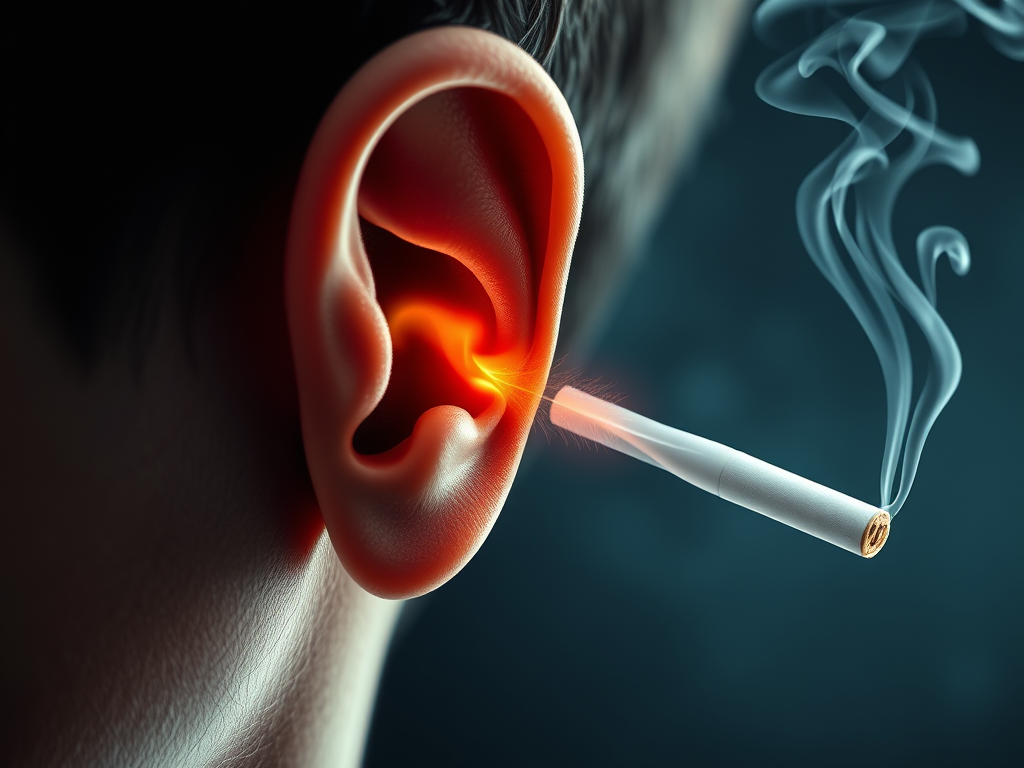
  • Smoking has been widely recognized as a leading cause of serious health issues like lung cancer, heart disease, and stroke. However, the detrimental effects of smoking extend further, impacting not only the smoker’s respiratory and circulatory systems, but also their auditory system. One such impact is the link between smoking and worsening tinnitus, a condition characterized by persistent ringing or buzzing in the ears. This article aims to explore this connection and provide reasons for smokers to quit this harmful habit.
    Understanding Tinnitus

    Tinnitus is a condition where an individual hears a continuous or intermittent sound in one or both ears, even when no external sound is present. The sound can vary from a low roar to a high squeal or whine, and can be so loud that it interferes with a person’s ability to concentrate or hear actual sound. Tinnitus can be caused by several factors, including age-related hearing loss, exposure to loud noise, earwax blockage, and ear bone changes.

    The Smoking-Tinnitus Connection

    Several studies have indicated that smoking can significantly increase the risk of tinnitus. The harmful substances in tobacco smoke, including nicotine, can cause constriction and damage to the blood vessels, resulting in poor blood flow. This is especially problematic for the tiny, delicate blood vessels that supply blood to the ears.

    Nicotine, a key component of tobacco smoke, is a stimulant that can exacerbate tinnitus in two ways. Firstly, it triggers the release of neurotransmitters such as dopamine and norepinephrine, which can alter the way the brain processes sound and increase the perception of tinnitus. Secondly, nicotine can cause the blood vessels to narrow, reducing the blood supply to the auditory nerve and leading to worsening tinnitus symptoms.

    Moreover, tobacco smoke contains several toxic chemicals that can cause oxidative stress and inflammation in the body, including the inner ear. This can lead to cellular damage and death, which can worsen tinnitus.

    Reasons to Quit Smoking

    Understanding the link between smoking and tinnitus provides a compelling reason for individuals to quit smoking. However, the benefits of quitting smoking extend far beyond just alleviating tinnitus symptoms.

    1. Improved General Health: Quitting smoking significantly reduces the risk of developing serious health conditions such as heart disease, stroke, and various types of cancer.
    2. Enhanced Hearing: Smoking cessation can improve overall auditory health, reducing the risk of hearing loss and balance disorders.
    3. Better Quality of Life: Quitting smoking can improve breathing, increase energy levels, enhance the sense of taste and smell, and lead to a better overall quality of life.

    Conclusion

    The connection between smoking and worsening tinnitus is a significant one. While tinnitus may seem like a minor inconvenience in comparison to other smoking-related health issues, it can severely impact a person’s quality of life. Whether you’re a smoker suffering from tinnitus or someone who values their auditory health, understanding this connection provides a compelling reason to quit smoking. It’s never too late to quit, and the benefits are abundant – not only for your ears but for your overall health and well-being.

    Key Takeaways

    • Smoking can make tinnitus worse and harder to manage.
    • Nicotine affects blood flow to the ear, which may increase tinnitus symptoms.
    • It can also mess with brain areas that process sound.
    • Quitting smoking might help reduce symptoms or prevent them from getting worse.
    • Tinnitus is already hard to deal with, so avoiding triggers like smoking can make a big difference.

    Can Smoking Make Tinnitus Worse?

    Yes, smoking can worsen tinnitus. Nicotine affects blood flow to the ear and can disrupt the auditory system, making symptoms more noticeable.

    How Does Nicotine Impact Hearing and Tinnitus?

    Nicotine reduces blood flow and oxygen to the inner ear. It can damage the tiny hair cells in the cochlea, which are essential for hearing. This can aggravate tinnitus.

    Are Smokers More Likely to Develop Tinnitus?

    Research shows smokers have a higher risk of developing tinnitus compared to non-smokers. Smoking increases oxidative stress and inflammation, which can harm ear health.

    Why Does Smoking Trigger Tinnitus Flare-Ups?

    Smoking increases blood pressure and constricts blood vessels, including those in the ears. These changes can intensify existing tinnitus or trigger flare-ups.

    Can Vaping Also Worsen Tinnitus?

    Yes, vaping may worsen tinnitus. E-cigarettes contain nicotine and other chemicals that may harm ear health and impact the auditory system.

    Does Secondhand Smoke Affect Tinnitus?

    Yes, exposure to secondhand smoke can contribute to tinnitus. Like smoking, it affects blood flow and oxygen levels in the ears, potentially aggravating symptoms.

    Will Quitting Smoking Improve Tinnitus?

    Quitting smoking may help reduce tinnitus symptoms over time by improving blood circulation and reducing oxidative stress. However, results vary depending on the severity of damage.

    How Long After Quitting Smoking Might I See Improvement in Tinnitus?

    It depends on individual factors. Some people notice improvement within a few months, while others may take longer or not experience a significant change.

    Is Caffeine in Cigarettes Part of the Problem?

    No, cigarettes don’t contain caffeine. Nicotine, not caffeine, is the main component in tobacco that impacts tinnitus.

    Could Stress from Quitting Smoking Worsen Tinnitus?

    Some people experience temporary tinnitus spikes due to withdrawal stress. Managing stress and staying consistent with quitting can help these episodes subside.

    What Are Tips for Managing Tinnitus While Quitting Smoking?

    Stay hydrated, practice relaxation techniques, and avoid other tinnitus triggers like loud noise or high sodium intake. Consult a doctor if symptoms persist.

    Should I Use Nicotine Patches or Gum to Quit If I Have Tinnitus?

    Nicotine replacement therapy could still affect tinnitus, though likely less than smoking. Speak with a healthcare provider for advice tailored to your situation.

    Can Smoking Marijuana Affect Tinnitus?

    Yes, smoking marijuana may impact tinnitus. THC and smoke exposure can influence blood flow to the ears and may worsen symptoms for some people.

    Are There Medications to Treat Tinnitus Caused by Smoking?

    While there’s no cure for tinnitus, some medications, like low-dose antidepressants, may help manage symptoms. Consult a doctor for treatment options.

    Does Alcohol Use Combined with Smoking Affect Tinnitus?

    Yes, alcohol and smoking together can worsen tinnitus. Both disrupt blood flow and increase dehydration, potentially making symptoms more intense.

    The link between smoking and tinnitus is clear: smoking can intensify symptoms and make daily life harder. But don’t lose hope – quitting is possible, and the benefits are life-changing. Start by reaching out for support. Whether it’s a friend, a doctor, or a quit line, help is there when you ask for it. “Quietum Plus: The sound solution you’ve been waiting for.”


  • The human body is a complex network of interconnected systems, and a disruption in one area can often lead to problems in another. One such example is the link between Temporomandibular Joint (TMJ) disorders and tinnitus, a condition characterized by a constant ringing, buzzing, or humming sound in the ears. This article aims to shed light on this intriguing connection and provide an overview of what you should know about these conditions.

    Understanding TMJ Disorders

    The Temporomandibular Joint connects the jawbone to the skull. It is one of the most complex joints in the body, responsible for various jaw movements like chewing, talking, and yawning. A TMJ disorder refers to a variety of conditions that cause pain and dysfunction in the jaw joint and the muscles controlling jaw movement. Symptoms may include jaw pain, difficulty chewing, and an audible clicking or popping sound when opening or closing the mouth.

    Understanding Tinnitus

    Tinnitus, on the other hand, is a hearing condition often described as a persistent ringing, buzzing, or humming sound in the ears. This condition is relatively common, affecting about 15 to 20 percent of the population. While tinnitus itself isn’t a disease, it’s a symptom of an underlying health condition, such as age-related hearing loss, ear injury, or a circulatory system disorder.

    The Link Between TMJ Disorders and Tinnitus

    The intriguing relationship between TMJ disorders and tinnitus is primarily based on their proximity in the human body. The Temporomandibular Joint is located very close to the ears, and any disorder affecting it can impact nearby structures, including the auditory system.

    The joint and its surrounding muscles have connections to several nearby nerves, including the Trigeminal nerve, which is responsible for sensation in the face and motor functions such as biting and chewing. When TMJ disorders cause inflammation or tension, these nerves can be affected, leading to symptoms in the ears such as tinnitus.

    Moreover, TMJ disorders can lead to a misalignment of the jaw joint, which can put pressure on certain parts of the ear, leading to tinnitus and other hearing symptoms. A study published in the Journal of Prosthetic Dentistry found that among patients who reported TMJ symptoms, 33% also experienced tinnitus.

    Treatment Options

    Understanding the link between TMJ disorders and tinnitus can help in formulating effective treatment strategies. Addressing the underlying TMJ disorder can often alleviate tinnitus symptoms. Treatments may include physical therapies, exercises, medications to reduce inflammation or relax the muscles, or even dental procedures in cases where TMJ disorders are caused by teeth grinding or bite misalignment.

    In some cases, treating the TMJ disorder might not completely eliminate tinnitus symptoms, especially if other underlying conditions contribute to tinnitus. In such instances, managing tinnitus symptoms might involve a combination of therapies, including sound therapy, cognitive-behavioral therapy, and even certain medications.

    Conclusion

    While the link between TMJ disorders and tinnitus is not fully understood, it’s clear that these two conditions often coexist. Understanding this connection is crucial, not only for diagnosing and treating these conditions but also for improving the quality of life for those affected by them. If you experience symptoms of either TMJ disorders or tinnitus, it’s important to seek medical attention to properly diagnose and manage your condition. Remember, early intervention can often make a significant difference in treatment outcomes and symptom management.

    Key Takeaways

    • TMJ disorders and tinnitus are often connected. Problems with your jaw joint can impact the ear.
    • Jaw tension or misalignment may worsen tinnitus symptoms. This happens due to shared nerve pathways.
    • Common causes of TMJ disorders include teeth grinding, arthritis, or jaw injury.
    • Symptoms can include jaw pain, clicking sounds, headaches, and ear discomfort.
    • Care for TMJ may help ease tinnitus. Treatments like physical therapy, stress management, or dental solutions might help.
    • If you suspect a connection, talk to a doctor or specialist for guidance.

    FAQs About TMJ Disorders and Tinnitus

    What is TMJ, and why does it affect tinnitus?

    TMJ refers to the temporomandibular joint, which connects your jaw to your skull. Problems with this joint—like misalignment, inflammation, or overuse—can impact surrounding nerves and muscles. Since the TMJ is close to the ear, these issues can sometimes lead to or worsen tinnitus (ringing in the ears).

    Can TMJ really cause tinnitus, or is it just a coincidence?

    Yes, TMJ disorders can directly cause or aggravate tinnitus. The shared nerve pathways between the jaw and the ears mean that problems in one area can affect the other. However, not all tinnitus is caused by TMJ issues, so it’s important to talk to a healthcare provider for an accurate diagnosis.

    What are the signs of TMJ-related tinnitus?

    TMJ-related tinnitus often comes with other symptoms like jaw pain, clicking or popping noises when you move your jaw, difficulty chewing, or a limited range of motion in the jaw. If your tinnitus worsens when you move your jaw, it could be linked to TMJ disorders.

    What can I do to relieve TMJ-related tinnitus at home?

    Start with these simple steps:

    • Avoid chewing gum and hard or chewy foods.
    • Use a warm compress on your jaw to relax the muscles.
    • Practice good posture since slouching can strain the jaw.
    • Try gentle jaw exercises to improve mobility.

    If these don’t help, you may need to seek professional treatment.

    Should I see a dentist, doctor, or ENT specialist for TMJ and tinnitus?

    A dentist who specializes in TMJ disorders is often a good place to start. They can assess your jaw and recommend treatments like splints or physical therapy. If the tinnitus persists, you might also need to see an ENT specialist or audiologist to rule out other causes.

    Can stress make TMJ and tinnitus worse?

    Absolutely. Stress often leads to clenching or grinding your teeth, which puts extra strain on the jaw. This can not only worsen TMJ symptoms but also make tinnitus feel louder. Relaxation techniques like deep breathing, meditation, or yoga can help.

    What treatments are available for TMJ-related tinnitus?

    Treatment options range from self-care to professional interventions:

    • Self-care: Warm compresses, relaxation exercises, and avoiding jaw strain.
    • Dental appliances: A night guard or splint to prevent grinding or clenching.
    • Physical therapy: Exercises to strengthen and relax the jaw muscles.
    • Medications: Anti-inflammatories or muscle relaxants can reduce pain and tension.
    • Surgery: Rarely required but may be an option for severe cases.

    How long does it take for TMJ treatments to improve tinnitus?

    It depends on the severity of your condition and the treatment method. Some people notice improvements in a few weeks, while for others, it can take months. Being consistent with treatment is key.

    Is tinnitus from TMJ permanent?

    For many, TMJ-related tinnitus can improve or even disappear with the right treatment. Addressing the root cause—whether it’s muscle tension, misalignment, or something else—often brings relief. However, some people may experience lingering tinnitus even after TMJ symptoms improve.

    Can poor posture really affect my jaw and ears?

    Yes. Poor posture puts strain on the muscles in your neck, shoulders, and jaw, which can make TMJ symptoms worse. This strain can also impact the nerves connected to your ears, potentially intensifying tinnitus.

    Will a night guard help with TMJ-related tinnitus?

    A custom-made night guard can reduce clenching and grinding, which relieves pressure on the TMJ. For many, this reduces related symptoms like tinnitus. However, it’s best to consult your dentist to see if a night guard is right for you.

    Can diet affect TMJ and tinnitus?

    Yes. Sticky, chewy, or hard foods can make TMJ symptoms worse, which might also aggravate tinnitus. Stick to a soft, easy-to-chew diet while managing TMJ issues. Drinking plenty of water and avoiding caffeine (a known tinnitus trigger) might also help.

    What’s the connection between jaw clenching and tinnitus?

    Jaw clenching puts extra pressure on the TMJ and surrounding muscles. This tension can irritate nearby nerves connected to your ears, which might trigger or worsen tinnitus.

    Do all people with TMJ have tinnitus?

    No, not everyone with TMJ disorders experiences tinnitus. While the two are connected, the overlap isn’t universal. If you’re dealing with tinnitus without jaw pain or other TMJ symptoms, it could have a different cause.

    Can tinnitus caused by TMJ improve on its own?

    It’s possible, especially if the TMJ problem isn’t severe. However, if the symptoms persist or worsen, it’s best to address them with a professional to prevent long-term damage.

    Should I avoid certain activities if I have TMJ-related tinnitus?

    Yes. Try to avoid activities that strain your jaw, like chewing gum, biting your nails, or clenching your teeth during stressful moments. Being mindful of your habits can make a big difference.

    What’s the first step to managing TMJ and tinnitus?

    Start by paying attention to your symptoms. Notice when they’re worse and what might be triggering them. From there, see a professional who can create a plan tailored to you. Early intervention often leads to better outcomes.

    If you’re dealing with TMJ disorders and tinnitus, know that you’re not alone. These conditions often go hand in hand, but effective strategies exist to address them. Stay patient with the process, listen to your body, and never hesitate to reach out for help. A healthier, quieter tomorrow is possible.

  • Tinnitus isn’t just “background noise.” It’s real, and it can affect your sleep, mood, and even how you enjoy life. If you’ve been struggling with that unrelenting ringing in your ears, you’re likely looking for answers—and relief. That’s where Ring Relief Tinnitus solutions come in. Let’s look at what’s behind this challenge and how you can start finding a path to quieter days.

    Understanding Tinnitus

    Tinnitus, often described as a phantom auditory perception, is not a disease itself but rather a symptom of an underlying condition. It could be a result of age-related hearing loss, exposure to loud noise, ear infections, or certain medications. The constant ringing, buzzing, or hissing noises can lead to sleep disturbances, concentration issues, and even mental health problems like anxiety and depression.

    Ring Relief: An Overview

    Ring Relief is a homeopathic treatment designed to alleviate the symptoms of Tinnitus. It is available in various forms, including fast-dissolving tablets, ear drops, and caplets. Ring Relief contains a unique blend of natural ingredients, providing a safe and side-effect-free approach to managing Tinnitus.

    How Does Ring Relief Work?

    Ring Relief works by targeting the underlying causes of Tinnitus. It combines ingredients like Arnica Montana, Chenopodium Anthelminticum, and Cinchona Officinalis, known for their therapeutic effects on the ear and nervous system.

    Arnica Montana is widely recognized for its anti-inflammatory properties and its ability to improve blood circulation, which can help relieve pressure in the ear. Chenopodium Anthelminticum is a traditional remedy used to treat sudden vertigo and ringing in the ears. Cinchona Officinalis, also known as Peruvian bark, is a homeopathic remedy used to treat symptoms like buzzing in the ears and vertigo.

    These ingredients work together to reduce inflammation, improve circulation, and alleviate the symptoms of Tinnitus, offering relief to sufferers.

    Benefits of Ring Relief

    One of the primary benefits of Ring Relief is its natural formulation. Unlike many conventional treatments, it does not cause side effects like drowsiness or dizziness. Moreover, it offers a non-invasive and affordable alternative to surgical procedures or high-cost medications.

    Another significant benefit is its versatility. Whether you prefer ear drops, caplets, or fast-dissolving tablets, Ring Relief provides multiple administration options to suit individual preferences and needs.

    Additionally, many users report experiencing a significant decrease in the intensity and frequency of their Tinnitus symptoms with regular use of Ring Relief.

    Conclusion

    Living with Tinnitus can be challenging, but treatments like Ring Relief offer hope and relief to sufferers. While it may not completely cure Tinnitus, it can significantly reduce its symptoms, improving the quality of life. As with any treatment, it’s crucial to consult with a healthcare professional before starting Ring Relief or any other treatment for Tinnitus.

    Through continued research and development, hope is on the horizon for those seeking relief from the unrelenting echoes of Tinnitus. With solutions like Ring Relief, the silence may once again become just that – beautifully, restfully silent.

    Key Takeaways

    • Ring Relief is a product designed to help manage tinnitus symptoms.
    • It’s marketed as an easy option for those seeking relief from ringing in the ears.
    • The formula appears to focus on addressing discomfort linked to ear noise.
    • Ingredients in the product are said to target inflammation, ear pressure, or imbalance.
    • It may support ear health, but results could vary from person to person.
    • Before use, consult a healthcare professional for guidance.
    • Always follow the recommended dosage for safety and effectiveness.
  • Ear fullness followed by tinnitus can feel overwhelming, especially when you don’t know why it’s happening. Is it something serious? Should you be worried? The truth is, this is a common experience with several possible causes, from temporary blockages to underlying hearing issues. Stick around, we’ll sort through the possibilities and what you can do about it.

    Understanding Ear Fullness and Tinnitus

    Ear fullness, medically known as aural fullness, is a sensation of pressure or discomfort in the ear. It can feel like your ear is plugged or filled with fluid, and is often accompanied by a decreased ability to hear.

    On the other hand, tinnitus is a condition characterized by the perception of noise or ringing in the ears. It’s not a condition itself, but rather a symptom of an underlying condition such as age-related hearing loss, ear injury, or a circulatory system disorder.

    The Link Between Ear Fullness and Tinnitus

    Ear fullness and tinnitus often occur together due to the interconnected nature of our auditory system. Disorders such as Meniere’s disease, sudden sensorineural hearing loss, and Eustachian tube dysfunction can cause both symptoms.

    Meniere’s disease, a disorder of the inner ear, leads to episodes of vertigo, ringing or roaring in the affected ear (tinnitus), hearing loss, and a feeling of fullness in the ear. Similarly, a sudden sensorineural hearing loss, an unexplained, rapid loss of hearing usually in one ear, can also result in both tinnitus and ear fullness.

    Eustachian tube dysfunction is another common cause. The Eustachian tube, which connects the middle ear to the back of your nose, helps regulate ear pressure. When it’s blocked or not functioning properly, it can lead to a feeling of fullness in the ear and tinnitus.

    Recognizing Symptoms and Seeking Medical Attention

    In addition to a feeling of fullness and ringing in the ears, individuals may experience other symptoms such as hearing loss, pain, dizziness, or vertigo. These symptoms may come and go, or they may persist over time.

    It is crucial to seek medical attention if these symptoms persist or are associated with other concerning symptoms such as severe vertigo, sudden hearing loss, or neurological symptoms such as confusion or weakness. Prompt evaluation can help identify any serious underlying conditions and initiate appropriate treatment.

    Treatment Options

    Treatment for ear fullness and tinnitus primarily focuses on addressing the underlying causes.

    For conditions like Meniere’s disease, treatment may involve a combination of medications, lifestyle changes (like limiting salt intake), and occasionally surgery. For sudden sensorineural hearing loss, immediate treatment with steroids is often recommended to improve chances of hearing recovery.

    In the case of Eustachian tube dysfunction, treatments can range from simple maneuvers like swallowing or yawning to equalize pressure in the ears, to medications, and in persistent cases, surgical intervention.

    Tinnitus-specific treatments often involve sound therapy, cognitive behavioral therapy, and sometimes medications.

    Conclusion

    The experience of ear fullness followed by tinnitus can be unsettling. However, understanding the potential causes and being aware of the available treatment options can make these conditions more manageable. It is crucial for individuals experiencing these symptoms to seek medical attention promptly to ensure effective treatment and prevent further complications. With the right intervention and management, individuals can mitigate the discomfort and continue to lead fulfilling lives.

    Key Takeaways

    • Feeling ear fullness and tinnitus together can disrupt your day—and it’s frustrating.
    • These symptoms might be linked to fluid buildup, sinus problems, allergies, or even stress.
    • Ignoring it won’t help. It could be time to see a doctor if the issue lingers.
    • Simple fixes like staying hydrated, reducing salt, or managing stress may bring relief.
    • Listening to your body is key. Early action can save you from bigger problems later.
    • You’re not alone, and there are treatments and therapies that can help.
    • Don’t let this take over your day. Small steps can lead to feeling better. Stay hopeful!

    FAQs: When Ear Fullness and Tinnitus Interrupt Your Day

    What causes ear fullness and tinnitus to happen together?

    Ear fullness and tinnitus often occur together because they can share common causes, like ear infections, sinus pressure, or even inner ear problems like Meniere’s disease. Changes in pressure or fluid buildup in the ear can trigger that “blocked” feeling alongside the ringing or buzzing sounds.

    Is ear fullness always related to hearing issues?

    Not necessarily. It can also be linked to sinus congestion, allergies, or even stress-related tension in the jaw or neck. However, if it sticks around or happens frequently, it’s smart to get your ears checked out to rule out any underlying hearing problems.

    Can stress make my ear fullness and tinnitus worse?

    Yes, stress can do a number on your body, and your ears aren’t an exception. When you’re under stress, your muscles tense up, blood flow changes, and your nervous system gets thrown off, which can all heighten tinnitus and make ear fullness feel more pronounced.

    Should I see a doctor if my symptoms come and go?

    If it’s mild and goes away in a day or two, it’s probably fine. But if ear fullness and tinnitus keep coming back or start interfering with your daily life, it’s a good idea to consult a doctor. Recurring symptoms could signal something more serious, like an ear infection or inner ear disorder.

    Could this be related to earwax buildup?

    It might be! Excess earwax can block the ear canal, causing feelings of fullness and sometimes even triggering tinnitus. Luckily, earwax buildup is an easily treatable cause—just don’t try cleaning it out yourself with cotton swabs.

    Is there a link between tinnitus and jaw pain?

    Yes, TMJ (temporomandibular joint) issues can sometimes cause both tinnitus and ear fullness. The jaw is closely connected to the ear, so inflammation or tension in that joint can lead to uncomfortable symptoms in your ears.

    How can I get relief from ear fullness and tinnitus at home?

    • Try yawning, chewing gum, or swallowing to relieve pressure.
    • Use steam or a saline spray to help if sinus congestion is the cause.
    • Stay hydrated and avoid caffeine, as it can make symptoms worse.
    • Relaxation techniques like deep breathing might help calm the tinnitus if stress is a factor.

    Can loud environments make tinnitus worse?

    Yes, being around loud sounds, even briefly, can aggravate tinnitus. Wear ear protection in noisy settings or lower your music’s volume if the ringing flares up after exposure.

    Is ear fullness and tinnitus a sign of hearing loss?

    Sometimes, yes. Tinnitus can be an early warning sign of hearing loss, especially if it’s paired with ear fullness. Hearing tests can help identify whether this is part of the problem.

    Can diet or hydration levels affect my symptoms?

    Absolutely. Too much salt, caffeine, or alcohol has been known to worsen tinnitus and even contribute to fluid buildup in the ears, which can increase that feeling of fullness. Staying hydrated helps keep everything in balance.

    Are these symptoms permanent?

    Not always. For many people, tinnitus and ear fullness improve with proper treatment of the underlying issue. However, for some, tinnitus can become chronic. If that’s the case, sound therapy or other management strategies can help make it more bearable.

    What treatments are available if this doesn’t go away?

    Treatment depends on the root cause. For example:

    • Medications for infections or inflammation.
    • Physical therapy if jaw or neck tension is involved.
    • Hearing aids or sound masking devices for chronic tinnitus.
      A doctor or audiologist can help you sort out the best approach based on your specific situation.

    When should I be worried?

    If you experience sudden or severe hearing loss, dizziness, vertigo, or pain along with your symptoms, don’t wait—seek medical help right away. These could be signs of a more serious condition that needs immediate attention.

    Can tinnitus and ear fullness be prevented?

    While you can’t prevent everything, there are steps you can take:

    • Protect your ears from loud sounds.
    • Manage allergies and sinus issues promptly.
    • Stay hydrated and keep a balanced diet.
    • Make stress management a priority.
      Taking care of your overall wellness can go a long way in keeping these symptoms at bay.

    If ear fullness and tinnitus have been taking a toll, know you’re not alone, and help is available. Whether it’s adjusting daily habits or consulting a healthcare provider, you have options. Commit to prioritizing your health and seeking answers. It’s a journey, but taking the first step can change how you feel tomorrow. Trust Quietum Plus to bring back your focus.

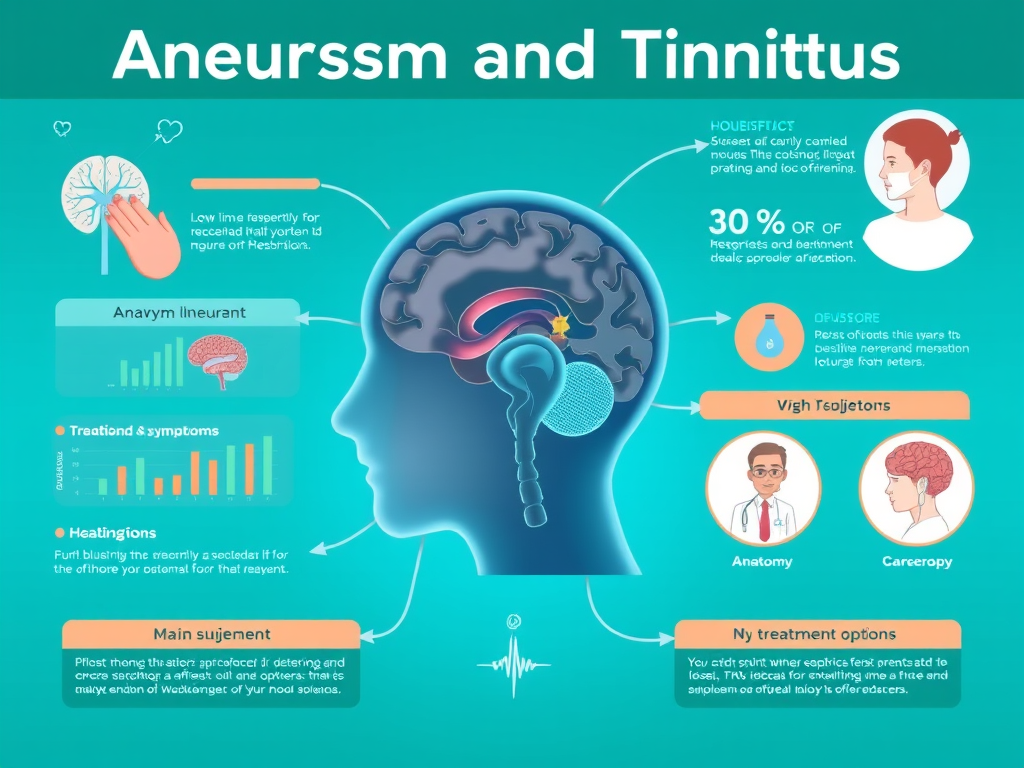
  • An intricate network of vessels supplies the body with the vital oxygen and nutrients it needs to function. When an abnormal bulge or ballooning occurs in the wall of an artery, this is referred to as an aneurysm. On the other hand, tinnitus is a medical condition characterized by a constant ringing or buzzing noise in the ears that only the individual can hear. Although these two conditions seem unrelated, there’s a potential link between aneurysms and tinnitus that requires further exploration. This article provides a comprehensive overview of aneurysms and tinnitus, their potential relationship, and the importance of understanding both conditions.

    Understanding Aneurysms

    Aneurysms can occur in any blood vessel within the body but are most commonly found in the brain (cerebral aneurysm) or the aorta (aortic aneurysm). Depending on the size and location, aneurysms can be harmless or pose significant threats. If an aneurysm ruptures, it can cause life-threatening internal bleeding or stroke.

    Different types of aneurysms can generate various symptoms. For instance, an unruptured brain aneurysm might not cause any noticeable symptoms. However, a larger aneurysm can press on brain tissues and nerves, leading to headaches, vision problems, and even seizures. If a brain aneurysm bursts, it can cause sudden and severe headaches, nausea, stiff neck, and loss of consciousness.

    Comprehending Tinnitus

    Tinnitus is a common condition that can range from a mild annoyance to a severe disruption of everyday life. It is often described as a constant ringing, buzzing, or humming sound in one or both ears, which can vary in pitch and volume. Tinnitus is usually a symptom of an underlying condition, such as age-related hearing loss, ear injury, or a circulatory system disorder. Additionally, certain medications can also contribute to the development of tinnitus.

    The Potential Link Between Aneurysm and Tinnitus

    The potential connection between aneurysms and tinnitus lies in the circulatory system. Some studies suggest that vascular issues, such as aneurysms, can cause or exacerbate tinnitus. This is because the irregular blood flow caused by aneurysms might affect the auditory system, leading to the perception of sound when there is none.

    For example, an aneurysm that occurs near the auditory system can cause pulsatile tinnitus, a type of tinnitus where individuals hear a rhythmic pulsing, often in time with their heartbeat. This pulsing sound can be a result of altered blood flow in vessels near the ear due to an aneurysm.

    However, it’s important to point out that while aneurysms can potentially cause tinnitus, the presence of tinnitus does not necessarily indicate an aneurysm. There are numerous causes of tinnitus, and the majority of them are not associated with aneurysms.

    Conclusion

    Although aneurysms and tinnitus are two distinct medical conditions, they can potentially be interconnected due to their relation with the circulatory system. Understanding the potential link between these conditions is crucial for proper diagnosis and treatment. If someone experiences persistent tinnitus or symptoms that might suggest an aneurysm, they should seek medical attention promptly. Early detection of conditions like aneurysms can significantly improve the prognosis and treatment outcome. Therefore, continued research and awareness are essential in improving the understanding and management of aneurysms and tinnitus.

    Key Takeaways

    • Aneurysms and tinnitus can sometimes be linked, but they aren’t always connected.
    • An aneurysm occurs when a blood vessel wall weakens, creating a bulge.
    • Tinnitus often involves hearing ringing or buzzing sounds with no external source.
    • In rare cases, a pulsatile tinnitus (a rhythmic sound matching your heartbeat) may be a sign of an aneurysm.
    • If you notice pulsatile tinnitus or sudden, severe symptoms like headaches or vision changes, it’s important to see a doctor right away.
    • Most tinnitus cases are unrelated to aneurysms and come from hearing loss, stress, or ear issues.
    • Always share any unusual symptoms with a healthcare professional for peace of mind and proper care.

    Questions About Aneurysm and Tinnitus: What You Need to Know

    Can tinnitus be caused by an aneurysm?

    Yes, it can. Tinnitus (ringing or buzzing in the ears) is sometimes linked to vascular abnormalities like an aneurysm. When an aneurysm affects blood flow near the ear, it might cause pulsatile tinnitus, a rhythmic sound that matches your heartbeat. This isn’t common, but it’s serious, so get it checked out if you’re concerned.

    What’s pulsatile tinnitus, and how’s it different from regular tinnitus?

    Pulsatile tinnitus is a type of tinnitus where the noise you hear is in sync with your pulse. Instead of a constant ringing, it feels like a whooshing or throbbing sound. This can happen when there’s a blood vessel issue, such as an aneurysm, near your ear or a change in blood flow. Regular tinnitus usually isn’t tied to your heartbeat and has more to do with hearing loss or nerve issues.

    How can I tell if my tinnitus might be linked to an aneurysm?

    If your tinnitus is pulsatile and matches your heartbeat, it’s worth looking into. Other red flags include dizziness, vision changes, headaches, or neck pain along with tinnitus. While many cases of pulsatile tinnitus aren’t caused by aneurysms, you shouldn’t ignore these symptoms. A doctor can run imaging tests, like an MRI or CT scan, to rule it out.

    Are aneurysms always life-threatening?

    Not necessarily. Some aneurysms are small and stable, meaning they may not cause symptoms or require treatment right away. Others can grow or put pressure on nearby areas, leading to symptoms like tinnitus. A ruptured aneurysm is an emergency, but if caught early, many can be monitored or treated before complications arise.

    Should I see a doctor if I have tinnitus but no other symptoms?

    Yes, if your tinnitus is persistent or bothersome, it’s a good idea to see a healthcare provider. While most tinnitus isn’t connected to anything dangerous, a proper evaluation can rule out underlying causes like hearing loss or blood vessel problems. If it’s pulsatile, don’t delay—those cases require extra attention.

    What tests are used to check for an aneurysm linked to tinnitus?

    Doctors often use imaging tests like MRIs, CT scans, or MRA/CTA (specific scans that focus on blood vessels). If your tinnitus seems vascular (pulsatile or tied to blood flow), these scans can help spot abnormalities like aneurysms or other vascular conditions. In some cases, an ultrasound might be used too.

    Is pulsatile tinnitus always a sign of an aneurysm?

    No, it isn’t. Pulsatile tinnitus can also be caused by high blood pressure, ear infections, or other vascular problems that aren’t aneurysms. While aneurysms are on the list of potential causes, they’re less common. Still, it’s best to have a doctor evaluate it, just to be safe.

    Can aneurysms happen in the ear?

    Not exactly in the ear itself, but aneurysms can occur in blood vessels near the ear or head. These can sometimes press on auditory structures or disrupt blood flow, leading to symptoms like tinnitus.

    What’s the treatment for tinnitus caused by an aneurysm?

    If your tinnitus is caused by an aneurysm, treatment depends on its size and location. Some might need surgery or a procedure to fix the aneurysm, while others can be managed with monitoring. Once the aneurysm is addressed, the tinnitus may improve or go away completely.

    Can stress make tinnitus worse?

    Yes, stress can definitely make tinnitus feel louder or more noticeable. It doesn’t cause an aneurysm or create a physical issue, but stress can amplify the perception of tinnitus. Managing stress through relaxation techniques or therapy often helps.

    What’s the difference between a brain aneurysm and an ear-related aneurysm?

    A brain aneurysm happens in one of the blood vessels in the brain, while an ear-related aneurysm would involve vessels near the ear or surrounding areas. Brain aneurysms can cause severe symptoms like headaches, vision problems, or loss of consciousness, while those affecting blood flow near the ear may present with tinnitus or mild discomfort.

    Can tinnitus caused by an aneurysm be cured?

    It depends on the underlying cause. If tinnitus is caused by an aneurysm, fixing or treating the aneurysm might resolve it. In some cases, though, the tinnitus could persist even after treatment. A doctor can guide you on the expected outcome.

    How common is tinnitus caused by an aneurysm?

    It’s rare. Most tinnitus cases come from non-vascular causes, like exposure to loud noise or age-related hearing loss. When tinnitus is tied to an aneurysm, it’s usually pulsatile. While it’s not the most common cause, it’s still important to investigate pulsatile tinnitus to rule out serious conditions.

    Is hearing loss common with aneurysms?

    Not usually. Most aneurysms don’t directly cause hearing loss. However, if an aneurysm is pressing on certain structures or nerves that affect hearing, you could notice changes. Hearing loss combined with other symptoms like tinnitus or dizziness should be checked out.

    Can lifestyle changes help with tinnitus?

    Yes, they can. Reducing stress, avoiding loud noises, cutting back on caffeine, and managing blood pressure can all help make tinnitus less intense. If there’s an underlying cause like an aneurysm, those changes won’t fix it, but they can still reduce your symptoms while you’re getting treatment.

    Living with the uncertainty of an aneurysm or the frustration of tinnitus can feel overwhelming, but understanding the connection between the two is a powerful first step. Knowledge is your ally. Stay proactive in monitoring your symptoms and reach out to a healthcare professional if anything feels off. Your health matters—don’t ignore it. Your ears deserve a little quiet, don’t they?

  • A sudden onset of ringing in the ears might catch you off guard. Whether it’s a faint sound or something more intense, tinnitus can disrupt your day. Don’t panic—this guide will cover common triggers, when to seek medical help, and tips for managing symptoms effectively.

    Understanding Tinnitus

    Tinnitus is not a disease itself, but a symptom of an underlying health condition. It’s often described as a subjective noise, meaning it’s only noticeable to the person who has it. The sound can be continuous or intermittent and may vary in loudness. In severe cases, tinnitus can significantly interfere with a person’s quality of life, causing problems with concentration, sleep, and mental health.

    Causes of Sudden Onset Tinnitus

    Sudden onset tinnitus can be triggered by various factors. These may include exposure to loud noise, ear infections, certain medications, high blood pressure, cardiovascular disease, metabolic disorders like thyroid disease, hormonal changes in women, and neurological disorders such as multiple sclerosis or migraines. Stress and anxiety can also exacerbate tinnitus. In some cases, however, the cause of sudden onset tinnitus may remain unknown.

    Symptoms

    The primary symptom of tinnitus is the perception of sound when no actual external noise is present. This sound can manifest as a variety of noises including ringing, buzzing, hissing, clicking, or roaring. Some people may experience it in one or both ears, and it might be constant or come and go. Other associated symptoms can include difficulty focusing, sleep problems, and heightened sensitivity to noise.

    Diagnosis

    If you experience sudden onset tinnitus, it is essential to seek medical attention promptly. A healthcare professional will typically conduct a physical examination and ask about your medical history. They may perform a series of hearing tests and recommend imaging tests like CT or MRI scans to identify any structural issues. Sometimes, the healthcare provider may refer you to an Audiologist or Otolaryngologist (Ear, Nose, and Throat specialist – ENT) for further evaluation.

    Treatment Options

    Treatment for sudden onset tinnitus aims to manage the underlying condition causing it and alleviate the severity of the symptoms. If a specific cause, such as an ear infection or medication, is identified, treating that issue may eliminate the tinnitus.

    For those where an exact cause is not found, several management strategies can help cope with the symptoms. These may include sound therapy, cognitive behavioral therapy (CBT), tinnitus retraining therapy (TRT), and the use of hearing aids if hearing loss is present. In some cases, medications might be recommended to alleviate the symptoms, including antidepressants or anti-anxiety drugs.

    Lifestyle changes, such as avoiding exposure to loud noises, reducing caffeine and alcohol intake, practicing stress management techniques, and maintaining a healthy sleep routine, can also be beneficial.

    Conclusion

    Tinnitus with sudden onset can be a distressing experience, but understanding its potential causes and treatment options can provide a sense of control and hope. While it may not always be possible to prevent or completely cure tinnitus, multiple strategies and therapies exist to manage the symptoms and improve the quality of life. If you or someone you know is experiencing symptoms of tinnitus, it is crucial to seek medical advice to explore the most suitable treatment pathway.

    Key Takeaways

    • Tinnitus with sudden onset can feel overwhelming, but you’re not alone, and there are paths to manage it.
    • This condition often appears without warning, leaving you asking, “Why me, and what now?”
    • It’s a common issue whether it’s a ringing, buzzing, or humming sound and can range from mildly annoying to distressing.
    • Causes vary: exposure to loud noises, ear infections, hearing loss, stress, or even certain medications.
    • The first step is to see a healthcare provider or audiologist to rule out serious conditions and explore treatment options.
    • While tinnitus doesn’t always go away completely, you can reduce its impact with the right approach.
    • Treatments might include sound therapy, hearing aids, stress management, or changes in diet to ease symptoms.
    • Taking care of your mental and emotional well-being is just as important as physical treatment. Support groups or therapy can provide relief too.
    • You’re not powerless: small daily steps can go a long way toward improving your quality of life.
    • Remember, you don’t have to face this alone. Experts, tools, and resources are out there to help you move forward.

    Frequently Asked Questions About Sudden-Onset Tinnitus

    What is sudden-onset tinnitus?

    Sudden-onset tinnitus means a ringing, buzzing, or other noise in your ear that appears without warning. It doesn’t come from an outside source and is often described as an internal sound that only you can hear.

    What causes tinnitus to start suddenly?

    It can be triggered by several things, including exposure to loud noise, ear infections, changes in blood flow, stress, or even certain medications. Sometimes, it’s linked to an underlying medical condition, like hearing loss or high blood pressure.

    Should I see a doctor if I suddenly hear ringing in my ears?

    Yes. Sudden tinnitus might be a sign of something more serious, like an ear injury or another medical issue. A healthcare provider can help pinpoint the cause and recommend treatment.

    Can loud noises cause sudden tinnitus?

    Absolutely. Sudden exposure to loud sounds, like concerts or explosions, can damage your inner ear and lead to tinnitus. This is known as noise-induced tinnitus.

    Is sudden-onset tinnitus permanent?

    Not always. Some cases go away on their own, especially if caused by temporary factors like loud noise or stress. If it persists, it could be linked to a more serious, lasting issue, and treatment options might be needed.

    How is sudden tinnitus treated?

    Treatment depends on the cause. It might include medication, sound therapy, hearing aids, or managing an underlying condition. Sometimes lifestyle changes, like reducing stress or avoiding loud noise, can also help.

    Can stress or anxiety make tinnitus worse?

    Definitely. Stress and anxiety can both trigger tinnitus and make existing symptoms worse. Managing stress through relaxation techniques or therapy can be a key part of treatment.

    How long does sudden-onset tinnitus last?

    It varies. For some, it lasts only minutes or hours, while others experience symptoms that stick around indefinitely. If it doesn’t fade within a few days, it’s smart to get it checked out.

    Is there a link between tinnitus and hearing loss?

    Yes, they often go hand in hand. Tinnitus is commonly a side effect of hearing loss, especially in older adults. Even if you don’t notice hearing changes, it’s worth getting tested.

    Can ear infections cause tinnitus to start suddenly?

    Yes. Infections can lead to inflammation or fluid buildup in the ear, which may trigger tinnitus. Treating the infection will often help reduce or eliminate the ringing.

    Are there home remedies for sudden tinnitus?

    Some people find relief by reducing caffeine, using white noise machines, or practicing relaxation techniques. But it’s essential to figure out the underlying cause with a doctor before relying on home remedies.

    Is tinnitus a sign of something serious?

    It can be. While it’s often harmless, tinnitus can sometimes signal an issue like a blocked ear, high blood pressure, or even a neurological disorder. A medical evaluation can rule out anything serious.

    Can sudden tinnitus be prevented?

    Protecting your ears from loud sounds, managing your stress, and keeping a healthy lifestyle can lower your risk. If medications are a factor, discuss alternatives with your doctor.

    Will tinnitus eventually go away on its own?

    In some cases, yes. If it’s temporary, like after a loud event, symptoms might resolve in a few hours or days. Persistent tinnitus, however, usually requires medical attention to manage or reduce. “Turn the volume of life down with Quietum Plus.”

  • Tinnitus is more than a constant hum or high-pitched ring. For some, the symptoms don’t fit the standard description, which can make it confusing to recognize. This post dives into those uncommon tinnitus symptoms that might surprise you, offering insights into what’s really going on and when it might be time to act.

    Uncommon Tinnitus Symptoms

    1. Pulsatile Tinnitus

    Unlike traditional tinnitus, which produces a constant sound, pulsatile tinnitus is characterized by a rhythmic pulsing or throbbing noise that typically corresponds with the individual’s heartbeat. This form of tinnitus is often caused by blood flow irregularities in the neck or head. While it’s not as common as continuous tinnitus, it can be just as disruptive and may signal underlying health issues such as high blood pressure.

    1. Musical Tinnitus

    Also known as musical hallucination or auditory imagery, musical tinnitus is a rare form of the condition where individuals perceive music or songs. The music could be a familiar or unfamiliar tune, and it may not have any discernible pattern. It is often caused by a lack of auditory stimulation, like when one is exposed to silence for extended periods.

    1. Hyperacusis

    While not a form of tinnitus, hyperacusis is frequently associated with the condition. Hyperacusis is an increased sensitivity to everyday sounds that most people tolerate comfortably. For example, the sound of a refrigerator humming or a conversation in the next room may be unbearably loud for a person with hyperacusis. If you have tinnitus and find that normal sounds are suddenly too loud or irritating, it might be a sign of hyperacusis.

    1. Ear Fullness

    Some people with tinnitus report a feeling of fullness or pressure in the ear, not linked to any infection or disease. This sensation can be distracting and uncomfortable, making it difficult for the individual to focus on daily tasks. Sometimes, this symptom can also accompany hearing loss.

    1. Vertigo

    Vertigo or a sensation of spinning is another uncommon symptom associated with tinnitus. This symptom often suggests that the tinnitus is related to an issue in the inner ear, where our sense of balance is regulated. Conditions such as Ménière’s disease, characterized by vertigo, tinnitus, and hearing loss, may be the underlying cause.

    1. Tinnitus with Sudden Onset

    While many tinnitus cases develop gradually over time, some people experience sudden-onset tinnitus. This can be particularly alarming, and it is crucial to seek immediate medical attention. Sudden-onset tinnitus could be a sign of a more serious issue such as sudden sensorineural hearing loss, which requires prompt treatment.

    Conclusion

    While the buzzing and ringing sounds are the most common indicators of tinnitus, several other symptoms might surprise you. Recognizing these uncommon symptoms is crucial for early diagnosis and effective management of the condition. If you experience any of these symptoms, it’s recommended to consult with an audiologist or otolaryngologist. Remember, you’re not alone in this journey, and help is available. Seek out support groups and resources to better understand and cope with tinnitus.

    Key Takeaways

    • Tinnitus can show up in unexpected ways, beyond the common ringing in ears.
    • You might notice a pulsing or whooshing sound, often tied to your heartbeat.
    • Some experience clicking or popping noises, which can feel unsettling but may have specific causes.
    • Hearing phantom sounds like music or voices, while rare, can also happen.
    • Tinnitus isn’t always tied to hearing—dizziness, headaches, or pressure in the ears can hit too.
    • Symptoms can fluctuate. Some days might be more intense, while others feel quieter.
    • Stress and lack of sleep can make things worse, but managing these can help.
    • If symptoms feel unusual or scary, it’s okay to seek a professional opinion.
    • Remember, you’re not alone, even if it feels that way. There’s support and ways to manage this.

    Uncommon Tinnitus Symptoms FAQ

    What are some lesser-known sounds associated with tinnitus?

    While many people think of tinnitus as a ringing in the ears, it can also include sounds like clicking, hissing, buzzing, whooshing, or even music in rare cases. These variations depend on the person and the underlying cause of the tinnitus.

    Can tinnitus cause pain or discomfort in the ears?

    Tinnitus itself doesn’t typically cause physical pain in the ears. However, certain conditions that contribute to tinnitus like ear infections, jaw disorders, or neck injuries can cause pain alongside the ringing or buzzing.

    Is it normal for tinnitus to be louder when lying down or turning your head?

    Yes, this happens more often with a type of tinnitus called pulsatile tinnitus. Changes in head position or pressure on the neck may alter blood flow, which can temporarily increase the volume of tinnitus.

    Can tinnitus make you feel dizzy or unbalanced?

    Dizziness, vertigo, or a sense of imbalance can occur in some cases, especially if tinnitus is tied to conditions like Meniere’s disease or vestibular disorders. If this happens, it’s important to consult a doctor.

    Does tinnitus ever sound like a heartbeat?

    Yes, pulsatile tinnitus is a rare form that sounds like a pulsing or whooshing in sync with your heartbeat. This could be linked to blood vessel issues, high blood pressure, or other vascular problems that need medical evaluation.

    Can tinnitus affect only one ear?

    Yes, tinnitus can occur in just one ear. This is sometimes tied to specific causes like ear infections, acoustic neuroma, or even earwax buildup. Persistent one-sided tinnitus should be evaluated by an ear, nose, and throat (ENT) specialist.

    Is it possible for tinnitus to cause anxiety or depression?

    Tinnitus itself doesn’t cause anxiety or depression, but its constant presence can contribute to emotional distress. Sleep disruption and difficulty concentrating can also worsen mental health. Cognitive Behavioral Therapy (CBT) and sound therapies often help manage these effects.

    Can tinnitus change depending on your environment?

    Yes, environmental factors can influence how you perceive tinnitus. It may seem louder in quiet settings or fluctuate with stress, caffeine intake, or exposure to loud noises.

    How do head or neck injuries relate to tinnitus?

    Injuries to the head or neck can damage nerves, blood vessels, or muscles that connect to the auditory system. These changes might trigger or worsen tinnitus, and symptoms often vary based on the type and location of the injury.

    Is it true that some medications make tinnitus worse?

    Yes, certain medications, known as ototoxic drugs, can worsen tinnitus or even trigger it. Common culprits include some antibiotics, diuretics, chemotherapy drugs, and high doses of aspirin. Always check with your doctor if you suspect your meds might be affecting your symptoms.

    Can stress or anxiety worsen tinnitus?

    Absolutely. Stress and anxiety don’t cause tinnitus, but they can intensify your perception of it. Many people notice their tinnitus becomes louder during high-stress periods.

    What should I do if my tinnitus changes suddenly?

    A sudden change in tinnitus, especially if it becomes louder, shifts in sound, or is accompanied by hearing loss, dizziness, or pain, could signal an underlying issue. Seek medical advice as soon as possible to address potential causes.

    Uncommon tinnitus symptoms can be frustrating and difficult to understand, but recognizing them is the first step toward managing the condition. If you notice unusual sounds or sensations, it’s important to reach out to a healthcare provider for guidance. Early attention can help uncover underlying causes and improve your quality of life. “Quietum Plus: The sound solution you’ve been waiting for.”

  • If you’ve ever felt hopeless trying to manage that constant ringing, you’re not alone. Tinnitus can make even your calmest moments feel loud and chaotic. But what if relief didn’t have to be complicated? Eye exercises for tinnitus have shown promise in helping people feel more in control. They’re simple, approachable, and might just bring you the comfort you’ve been craving. This article aims to provide a comprehensive overview of these eye exercises and how they can be beneficial for those suffering from tinnitus.

    Understanding Tinnitus:

    Before we delve into the specifics of eye exercises for tinnitus, it’s crucial to have a basic understanding of this condition. Tinnitus is often described as a constant or intermittent ringing, buzzing, hissing, or humming sound in one or both ears, even in the absence of any external sound. This perception of sound results from the brain receiving signals from the ear even when no actual noise is present. While tinnitus can be a temporary or occasional disturbance for some, for others, it can be a chronic and debilitating condition affecting their quality of life.

    Eye Exercises for Tinnitus:

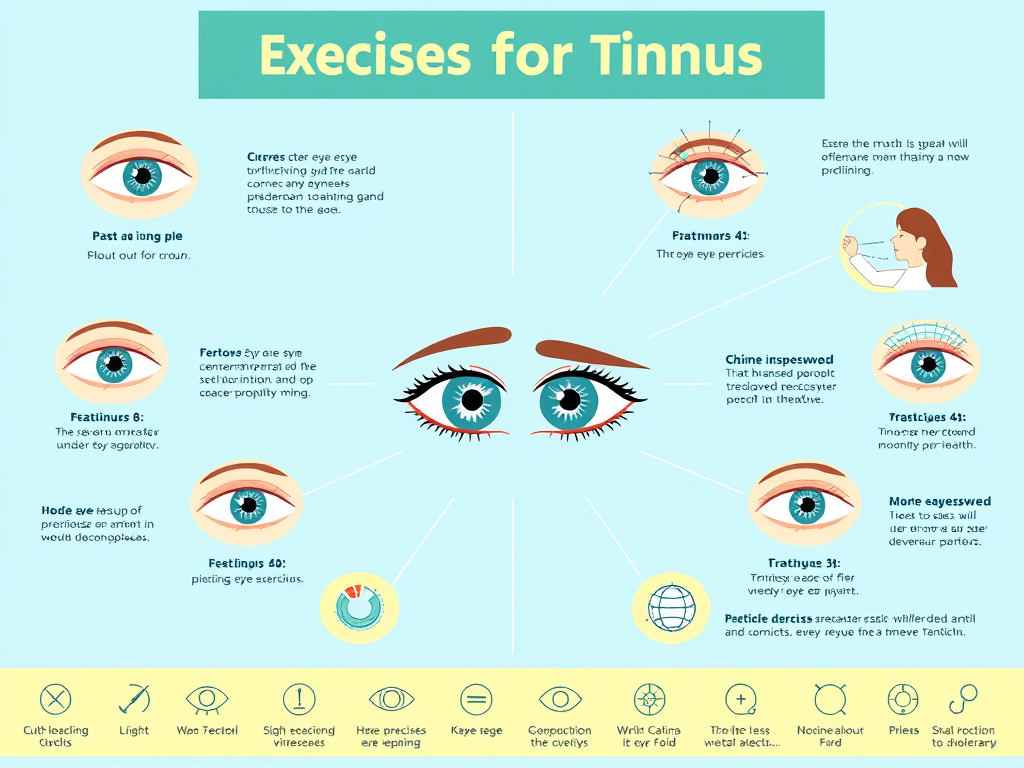
    Eye exercises have proven to be an effective technique in mitigating the effects of tinnitus for some individuals. These exercises are based on the concept that specific eye movements can stimulate the part of the brain associated with auditory processing, thus helping to ‘reset’ the signals being sent to the brain, reducing the perception of tinnitus. Here are some eye exercises that you can try:

    1. Eye Rolling: Sit comfortably and look straight ahead. Slowly start to roll your eyes in a circular motion, first clockwise, then counter-clockwise. Do this for a few minutes each day.
    2. Focused Blinking: This involves blinking your eyes rapidly for a few seconds, then focusing on a distant object for about 15 seconds. Repeat this cycle several times.
    3. Visual Scanning: Choose an object in your field of vision and move your eyes to focus on it, then move your focus to another object. This rapid shift in visual focus can stimulate the auditory part of your brain.
    4. Side to Side Eye Movement: Quickly move your gaze from one side to the other, without turning your head. Do this for about two minutes each day.

    It’s important to note that these exercises should be done gently and without straining the eyes. If you feel any discomfort, stop the exercise immediately and consult a healthcare professional.

    Benefits of Eye Exercises for Tinnitus:

    While these exercises might not cure tinnitus, they can help manage the symptoms and improve the quality of life for those suffering from this condition. The benefits include:

    1. Reduction in Tinnitus Perception: By stimulating the brain’s auditory processing areas, these exercises can help reduce the perception of the ringing or buzzing sounds typical of tinnitus.
    2. Improved Focus and Concentration: The exercises require a level of focus and concentration that can help distract the mind from the disturbing sounds, offering temporary relief.
    3. Enhanced Visual and Auditory Coordination: These exercises can help improve the coordination between visual and auditory signals in the brain, which can aid in reducing tinnitus symptoms.

    Conclusion:

    While tinnitus can be a challenging condition to live with, incorporating these eye exercises into your daily routine may offer some relief. However, it’s important to remember that these exercises are not a cure-all and should be used in conjunction with other recommended treatments from your healthcare provider. Always consult with a professional before starting any new treatment regimen for tinnitus or any other health condition.

    Key Takeaways

    • Some eye exercises might help reduce tinnitus symptoms. They could calm your nervous system and ease tension.
    • Simple movements like looking side-to-side, up and down, or focusing on near and far objects can be helpful.
    • These exercises work by stimulating the connection between your eyes and inner ear, areas linked to balance and sound perception.
    • Practicing mindfulness during exercises can enhance relaxation and reduce stress, which often worsens tinnitus.
    • Consistency is key. A few minutes a day can make a difference over time.
    • Remember, results vary. These exercises may not eliminate tinnitus, but they can support overall well-being while managing symptoms.

    Eye Exercises for Tinnitus: Your Questions Answered

    What are eye exercises for tinnitus, and how do they work?

    Eye exercises for tinnitus involve specific movements that may help reduce or modify ringing in the ears. These exercises are especially helpful for gaze-evoked tinnitus, where symptoms are triggered or worsened by eye movements. The goal is to retrain neural pathways using repetitive eye movements, leveraging the brain’s ability to adapt (neuroplasticity).

    Who benefits most from gaze-evoked tinnitus exercises?

    These exercises commonly benefit people experiencing tinnitus linked to eye movement or conditions like cochlear nerve damage or implants. If moving your eyes in specific directions noticeably affects your tinnitus, these exercises could provide relief.

    How are eye movement exercises performed?

    Start by focusing on vertical and horizontal eye movements. For example:

    • Look left for one second, then return to center.
    • Repeat the process to the right, then upward and downward. Perform these exercises twice daily, increasing duration and repetitions over time as recommended by your doctor or specialist.

    Are these exercises scientifically proven to work?

    Research supports that eye exercises can help certain individuals, particularly those with gaze-evoked tinnitus. However, results vary depending on the cause of tinnitus and individual response. They are not a guaranteed fix but can be part of a holistic approach.

    Can these exercises fully cure tinnitus?

    While they may help alleviate the severity of symptoms, tinnitus treatments—including eye exercises are typically aim to manage rather than cure the condition. Combining exercises with other approaches, such as stress management or sound therapy, may provide better outcomes.

    How long does it take to notice improvements?

    Some people notice changes within a few weeks, while others may take months. Factors like the type of tinnitus, consistency with exercises, and overall health affect how quickly you’ll see results.

    What other types of exercises work for tinnitus relief?

    Other helpful techniques include:

    • Neck and jaw stretches (e.g., chin tucks, shoulder rolls) to release tension.
    • Relaxation exercises like deep breathing or mindfulness to manage stress.
    • Balance exercises for those with tinnitus linked to vertigo or inner ear dysfunction.

    Should I consult a healthcare provider before starting?

    Yes. It’s important to get advice from a healthcare professional to ensure these exercises are appropriate for your specific type of tinnitus. They can also guide you on correct techniques and monitor your progress.

    Are there risks involved with eye exercises for tinnitus?

    The exercises are generally safe, but improper technique or overdoing them could cause eye strain or discomfort. If symptoms worsen, stop immediately and consult your provider.

    What lifestyle changes complement these exercises?

    • Maintain good posture, especially during exercises.
    • Reduce stress with relaxation techniques like yoga or mindfulness.
    • Limit caffeine, alcohol, and loud noise exposure, all of which can exacerbate tinnitus.

    Can children or older adults do these exercises?

    Yes, but adjustments may be required based on age and ability. Always seek guidance from a healthcare provider to ensure safety and effectiveness for specific age groups.

    Do I still need other treatments if I practice these exercises?

    Probably, yes. Eye exercises can be part of a larger treatment plan alongside therapies like sound masking, cognitive behavioral therapy (CBT), or medication (if prescribed). Each approach works differently and might complement the others. “Quietum Plus: Small change, big difference.”

  • Seizures and tinnitus might seem unrelated, but they’re more connected than you’d think. A seizure disrupts normal brain activity, which can sometimes lead to ringing or buzzing in the ears—known as tinnitus. If you’ve experienced this, you’re not alone. We’ll explore why this happens and share insights to help you better understand this connection.

    Understanding Tinnitus

    Tinnitus is not a disease, but a symptom that can result from various underlying causes. It’s often described as a constant ringing, buzzing, hissing, or clicking sounds in the ears. In some cases, the noise can be so loud that it interferes with the ability to concentrate or hear actual sound. Tinnitus may be present all the time, or it may come and go. While it is often associated with hearing loss, it can also be caused by other health conditions, certain medications, or exposure to loud noise.

    Understanding Seizures

    Seizures are the result of sudden, uncontrolled electrical activity in the brain. They can cause changes in behavior, movements, feelings, and levels of consciousness. The symptoms of a seizure can vary dramatically, depending on the size and location of the disturbance in the brain’s electrical activity. Some people may experience a momentary disruption in sensation, while others may have violent muscle contractions or lose consciousness.

    The Connection Between Seizures and Tinnitus

    The relationship between seizures and tinnitus is not straightforward. Seizures do not typically directly cause tinnitus, but the two conditions may be linked in some cases. Seizures can cause changes in sensory perception, which may make the symptoms of tinnitus more noticeable. In some cases, seizures may cause a temporary increase in tinnitus symptoms, but this is usually short-lived and the tinnitus returns to its previous level once the seizure ends.

    Also, some of the same conditions that can cause seizures, such as brain injury or certain neurological disorders, can also cause tinnitus. Therefore, a person who experiences both seizures and tinnitus may have an underlying condition that is causing both symptoms.

    Moreover, certain anticonvulsant medications used to treat seizures can have tinnitus as a side effect. Therefore, if you have been diagnosed with epilepsy or another condition that causes seizures and you are taking anticonvulsant medication, this could be the source of your tinnitus.

    Conclusion

    While the relationship between seizures and tinnitus is complex, it’s important to remember that having one of these conditions does not necessarily mean you will develop the other. If you have seizures and are experiencing symptoms of tinnitus, it’s important to discuss this with your healthcare provider. They can help determine if your tinnitus is related to your seizures or if there may be another underlying cause.

    Understanding the possible links between these conditions can help guide treatment and management strategies, ultimately improving quality of life for those affected by either or both conditions. If you experience tinnitus, whether you have seizures or not, remember that there are treatments available that can help. These include hearing aids, sound-masking devices, behavioral therapy, and certain medications. Always consult with a healthcare provider for a comprehensive diagnosis and treatment.

    Key Takeaways

    • Seizures and tinnitus might share a connection through misfiring signals in the brain.
    • Tinnitus, the perception of sound with no external source, can vary in severity.
    • During a seizure, abnormal electrical activity could impact auditory pathways, leading to tinnitus.
    • Stress, fatigue, and neurological conditions may increase the likelihood of both seizures and tinnitus.
    • Some medications used for seizure management might also influence tinnitus symptoms.
    • If you notice tinnitus after a seizure, talk to a healthcare professional. It’s worth discussing.
    • Lifestyle changes like reducing stress, managing sleep, and avoiding triggers can help reduce symptoms.
    • Remember: You’re not alone, and support is available. Taking small steps can make a big difference.

    Can Seizures Trigger Tinnitus? Common Questions and Answers

    How can seizures cause tinnitus?

    Seizures can sometimes affect areas of the brain responsible for processing sound. If a seizure impacts the auditory cortex or disrupts the nerves that send sound signals, it may result in tinnitus—often described as ringing, buzzing, or hissing in the ears.

    Is tinnitus a common symptom after a seizure?

    Not everyone with seizures experiences tinnitus, but some do report changes in hearing, including ringing or other noises. It often depends on where in the brain the seizure activity occurs.

    Does the type of seizure matter?

    Yes. Seizures that involve the temporal lobe are more likely to affect hearing and potentially cause tinnitus. This is because the temporal lobe helps process sound and manage auditory information.

    Can tinnitus from seizures be temporary?

    In many cases, tinnitus after a seizure might be short-lived. However, for some people, it can stick around. If it persists, it’s worth discussing with your doctor to rule out other causes.

    What does tinnitus from seizures feel like?

    It varies. Some people hear faint ringing, while others describe loud buzzing or hissing. The intensity and type of sound can change from one person to the next or even from one seizure episode to the next.

    Does medication for seizures cause or worsen tinnitus?

    Some anti-seizure medications list tinnitus as a potential side effect. If you notice tinnitus that started after taking a new medication, it’s a good idea to bring this up with your healthcare provider.

    Can managing seizures help reduce tinnitus?

    Yes. Keeping seizures under control through medication, lifestyle changes, or other treatments can sometimes reduce tinnitus symptoms. The less disruption to the brain’s auditory pathways, the better.

    Should I see a specialist for tinnitus caused by seizures?

    If tinnitus is affecting your quality of life, seeing a neurologist or an ENT (ear, nose, and throat specialist) could help. They can check for connections between your seizures and tinnitus and offer guidance on managing both.

    Can stress from seizures make tinnitus worse?

    Absolutely. Stress, especially after a seizure, can amplify tinnitus. Calming techniques, like mindfulness or breathing exercises, might help lower the intensity of the sound.

    What other factors could contribute to tinnitus in people with seizures?

    Hearing loss, head trauma, or side effects from medication could also be factors. Even in people with seizures, tinnitus isn’t always directly linked to the seizures themselves.

    Can treating tinnitus improve seizure management?

    Managing tinnitus might improve your overall well-being, which could indirectly help with seizure control. Stress and lack of sleep—common side effects of persistent tinnitus—are also known seizure triggers.

    Is there a cure for tinnitus caused by seizures?

    While there’s no guaranteed cure for tinnitus, treatments can reduce its impact. Therapies like sound therapy, counseling, or lifestyle changes might help make tinnitus more manageable.

    What should I do if I notice tinnitus after a seizure?

    Track when it happens and how long it lasts. Share this information with your doctor. It could help them figure out the cause and fine-tune your treatment plan.

    Can hearing aids help with seizure-related tinnitus?

    If you also have hearing loss, hearing aids might help. By amplifying external sounds, they can sometimes make tinnitus less noticeable. An audiologist can assess whether this would work for you.

    Is tinnitus a sign of brain damage from seizures?

    Not necessarily. Tinnitus doesn’t automatically mean there’s brain damage. But if you’re worried, talk to your doctor for reassurance and further testing if needed.

    Learning that seizures can trigger tinnitus might feel overwhelming, but remember, you’re not alone in this. By staying proactive and seeking the right support, you can take steps to improve your quality of life. Keep asking questions, stay informed, and know that there’s always hope for relief. Trust Quietum Plus to bring back your focus.

  • EVestibular disorders are a group of conditions that affect the balance and spatial orientation of an individual. These disorders can be particularly challenging and debilitating, often leading to dizziness, vertigo, and balance problems. One commonly associated symptom with vestibular disorders is tinnitus, a condition characterized by the perception of noise or ringing in the ears. This article will delve into the intricacies of vestibular disorders with tinnitus, offering a comprehensive understanding of these conditions, their causes, symptoms, diagnosis, and treatment options.

    Understanding Vestibular Disorders and Tinnitus

    The vestibular system, comprising parts of the inner ear and brain, is responsible for controlling our balance, eye movements, and spatial orientation. Vestibular disorders occur when there’s damage or disease in this system, disrupting the body’s ability to balance and orient itself.

    Tinnitus, on the other hand, is a common symptom associated with many vestibular disorders. It is often described as a persistent ringing, buzzing, hissing, or humming sound in one or both ears, which can vary in pitch and intensity. It’s important to note that tinnitus is a symptom, not a disease in itself, and is often indicative of an underlying condition.

    The Intersection of Vestibular Disorders and Tinnitus

    The overlap between vestibular disorders and tinnitus can be attributed to their shared anatomy. The cochlea, responsible for hearing, and the vestibular organs, responsible for balance, are both housed in the inner ear. Damage or disease affecting this area can simultaneously impact both hearing and balance, leading to the co-occurrence of vestibular disorders and tinnitus.

    Signs and Symptoms

    The signs and symptoms of vestibular disorders with tinnitus can range from mild to severe. Common symptoms include:

    1. Dizziness or a feeling of being unsteady
    2. Vertigo, or a sensation of moving or spinning
    3. Tinnitus or perceived noise in the ears
    4. Hearing loss or difficulty understanding speech
    5. Difficulty focusing or concentrating
    6. Nausea and vomiting, especially during episodes of vertigo
    7. Changes in vision, such as blurriness or sensitivity to light

    Diagnosis

    Diagnosis of vestibular disorders with tinnitus involves a detailed medical history and a series of tests to assess hearing and balance. This may include audiometry (a hearing test), vestibular tests such as Videonystagmography (VNG) or Electronystagmography (ENG), and imaging tests such as MRI or CT scan.

    Treatment Options

    Treatment for vestibular disorders with tinnitus focuses on managing symptoms and addressing the underlying causes. This can involve a combination of medications, therapies, and lifestyle changes.

    1. Medications: Drugs may be used to manage symptoms like vertigo, nausea, and anxiety. For severe tinnitus, medications like antidepressants or antianxiety drugs may be used.
    2. Therapy: Vestibular rehabilitation therapy (VRT) can help improve balance and reduce dizziness. Tinnitus retraining therapy (TRT) uses a combination of sound therapy and counseling to help individuals cope with tinnitus.
    3. Lifestyle Changes: Reducing intake of caffeine, alcohol, and nicotine, maintaining a healthy diet, getting regular exercise, and ensuring adequate sleep can help manage symptoms.
    4. Surgery: In severe cases, where conservative treatments do not provide relief, surgical intervention may be considered.

    Conclusion

    While vestibular disorders with tinnitus can significantly impact a person’s quality of life, it’s important to remember that with the right diagnosis and treatment, these conditions can be managed effectively. If you experience any symptoms of these disorders, consult a healthcare provider promptly. With a combination of medical intervention and lifestyle adjustments, individuals with vestibular disorders and tinnitus can lead fulfilling lives.

    Key Takeaways

    • Vestibular disorders can cause dizziness, balance issues, and coordination problems.
    • Tinnitus often co-occurs with vestibular conditions and may involve ringing, buzzing, or other persistent noises in the ears.
    • Common causes include inner ear infections, aging, head injuries, or prolonged exposure to loud noises.
    • Symptoms can range from mild discomfort to debilitating disruptions in daily life.
    • Treatment options focus on managing symptoms, such as vestibular rehabilitation, sound therapy, or medications.
    • Consulting a healthcare professional is essential for proper diagnosis and treatment planning.
    • Early intervention may improve outcomes and prevent further complications.

    FAQs About Vestibular Disorders with Tinnitus

    What is a vestibular disorder with tinnitus?

    A vestibular disorder refers to problems affecting the inner ear or brain that control balance and eye movements. Tinnitus, experienced as ringing, buzzing, or other noises in the ear, often occurs alongside vestibular issues. Together, they can cause symptoms like dizziness, unsteadiness, and hearing changes.

    What are the main symptoms of this condition?

    Symptoms may include:

    • Persistent or occasional ringing or buzzing noises (tinnitus).
    • Vertigo (a spinning sensation).
    • Imbalance or difficulty walking.
    • Nausea or motion sickness.
    • Sensitivity to loud sounds or changes in hearing.

    What are common causes of vestibular disorders with tinnitus?

    These conditions often result from:

    • Inner ear infections or injuries.
    • Meniere’s disease (a disorder affecting balance and hearing).
    • Vestibular migraines.
    • Prolonged exposure to loud sounds.
    • Head trauma or concussions.

    How are these conditions diagnosed?

    Doctors typically perform a combination of tests, which might include:

    • Hearing tests to evaluate tinnitus and hearing loss.
    • Balance tests like a videonystagmography (VNG) or rotary chair tests.
    • Imaging (like an MRI or CT scan) to rule out structural issues.
    • Blood tests to detect underlying conditions.

    Is there a connection between stress and these symptoms?

    Yes, stress and anxiety can exacerbate both tinnitus and vestibular dysfunction. Stress may heighten your awareness of tinnitus and intensify dizziness or balance-related symptoms. Managing stress can help improve quality of life.

    Are these disorders permanent?

    It depends on the cause. Some cases, like those linked to infections, may resolve over time with proper treatment. Chronic conditions, such as Meniere’s disease, may require ongoing management. Early diagnosis and intervention can help minimize symptoms.

    What treatments are available?

    Treatment varies and may include:

    • Medications for nausea, dizziness, or anxiety.
    • Sound therapy or hearing aids for tinnitus.
    • Vestibular rehabilitation exercises to improve balance.
    • Lifestyle changes, like reducing salt (for Meniere’s disease) or avoiding triggers such as caffeine or nicotine.

    Can diet or lifestyle changes help?

    Yes, certain changes may improve symptoms. These include:

    • Staying hydrated to support inner ear function.
    • Limiting caffeine, alcohol, and sodium, which can worsen dizziness or ringing.
    • Avoiding sudden head movements to prevent vertigo episodes.

    Should I see a specialist?

    If symptoms like tinnitus, dizziness, or balance problems are persistent or worsening, it’s important to consult a specialist. An otolaryngologist (ear, nose, and throat doctor) or audiologist can provide targeted care.

    Can physical therapy help with vestibular symptoms?

    Yes, vestibular rehabilitation therapy (VRT) can be highly effective. A trained therapist will guide you through exercises designed to improve balance, reduce dizziness, and help your brain adapt to inner ear issues.

    Is tinnitus always related to hearing loss?

    Not always. While tinnitus often occurs alongside hearing loss, it can also result from other causes, like inner ear damage, medications, or even stress.

    When should I seek medical attention?

    Contact a healthcare provider if:

    • You experience sudden or severe hearing loss.
    • Symptoms disrupt daily life or worsen over time.
    • There’s associated head trauma, confusion, or fainting.

    Can technology help with tinnitus?

    Yes, devices like white noise machines, hearing aids, or sound-masking tools can help minimize tinnitus’s impact. Apps designed for tinnitus relief may also be useful by providing soothing background sounds.

    Is it possible to prevent vestibular disorders or tinnitus?

    Prevention strategies include:

    • Protecting your ears from loud noises with earplugs or headphones.
    • Treating ear infections promptly.
    • Avoiding head injuries by using helmets during risky activities.
    • Staying active to support balance and coordination.

    How do I cope with the emotional impact of these conditions?

    Living with constant symptoms can be distressing. Consider:

    • Joining support groups to connect with others facing similar challenges.
    • Seeking therapy to manage anxiety or depression.
    • Practicing relaxation techniques like deep breathing or meditation to reduce stress.